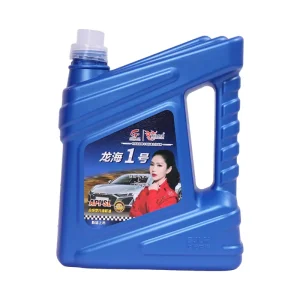
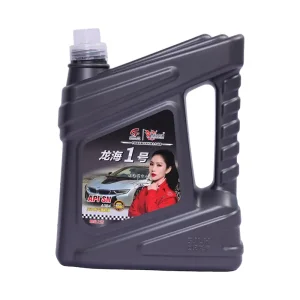
Engineered to deliver exceptional thermal stability, wear protection, and optimized operational efficiency under extreme industrial conditions.
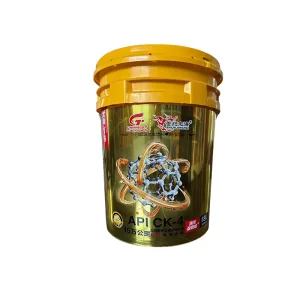
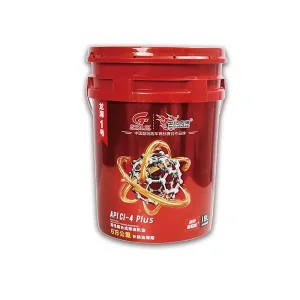
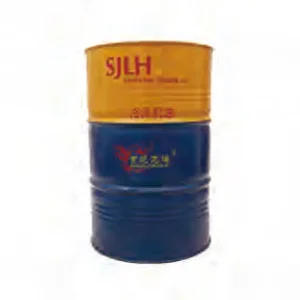
An analytical overview of thermodynamics, chemical kinetics, and global supply chain dynamics shaping industrial air compressor performance.
Modern heavy industries rely heavily on compressed air systems to drive manufacturing plants, power pneumatic machinery, process chemical flows, and maintain automation pipelines. Within these systems, the oil-lubricated rotary screw and reciprocating piston air compressors serve as the mechanical heart. However, the thermodynamics of air compression present a highly hostile environment for lubricants. As ambient air is compressed to fractions of its original volume, temperatures within the compression chamber can rise dramatically, exceeding 100°C.
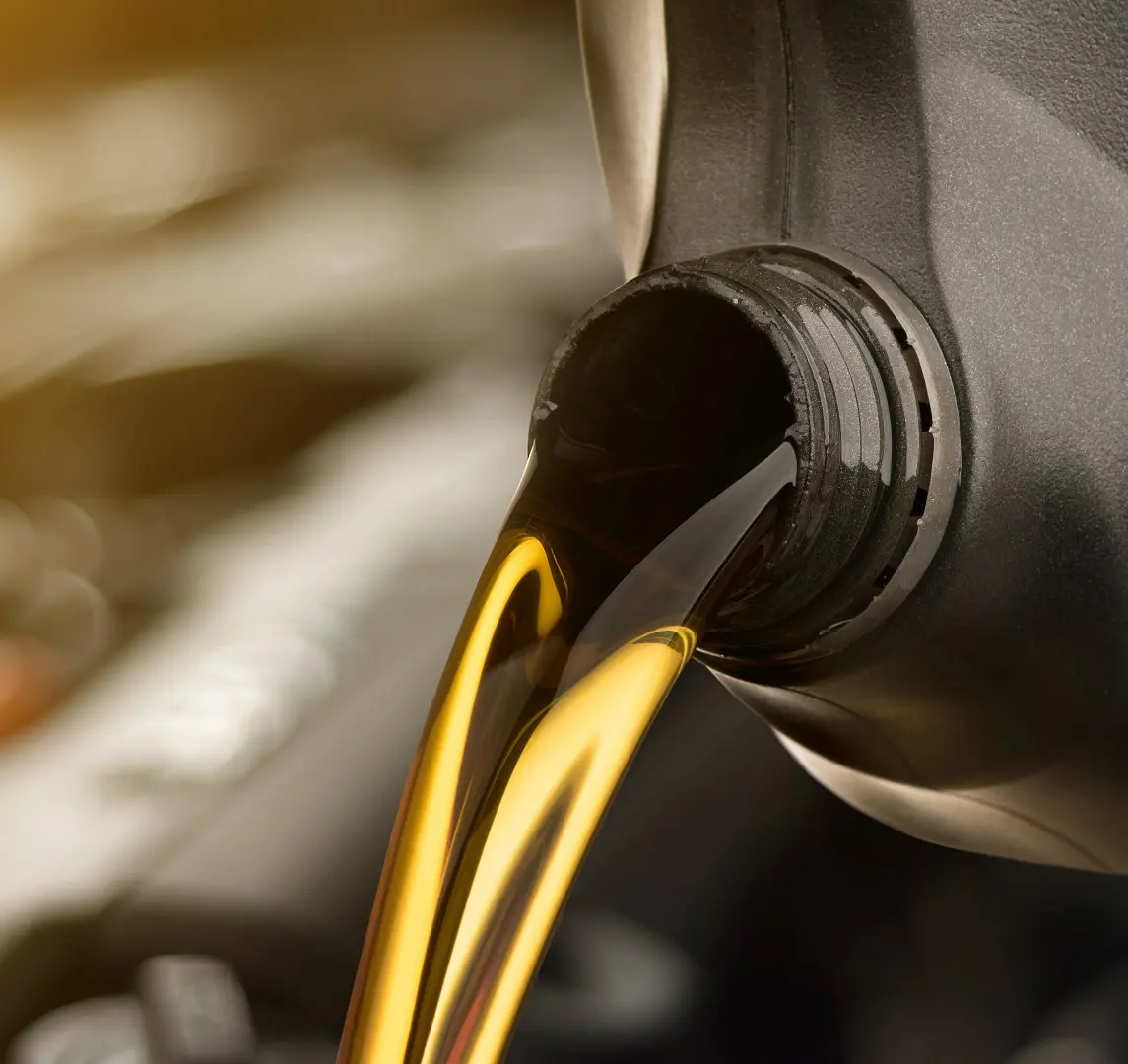
This intense thermal environment, combined with constant exposure to atmospheric oxygen and water vapor, accelerates the breakdown of inferior lubricants through oxidative processes. Standard mineral oils can fail rapidly under these conditions, leading to viscosity loss, the formation of sticky varnish and carbonaceous deposits, and ultimately, mechanical seizure. Global manufacturing hubs increasingly specify advanced synthetic lubricants formulated with highly refined base stocks (such as Polyalphaolefins (PAO) and synthetic esters) combined with robust antioxidant and anti-wear additives. Using premium lubricants dramatically reduces downtime, improves compressor efficiency, and extends the operational lifetime of expensive industrial equipment.
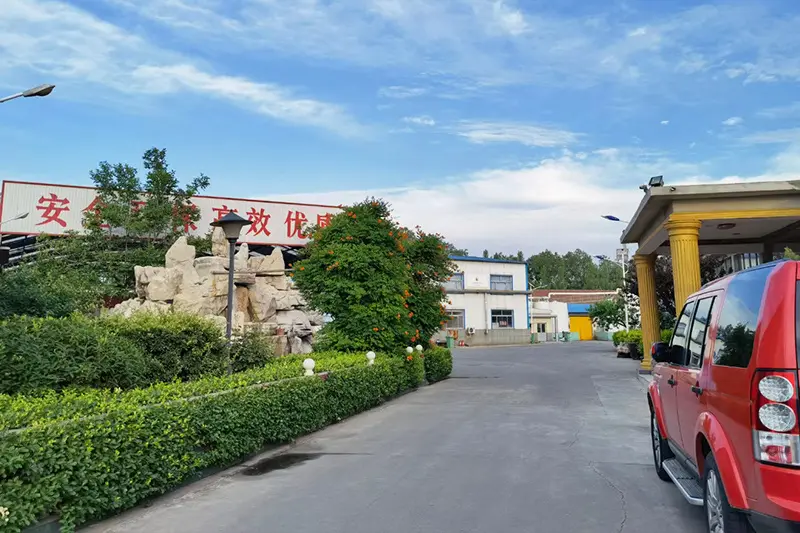
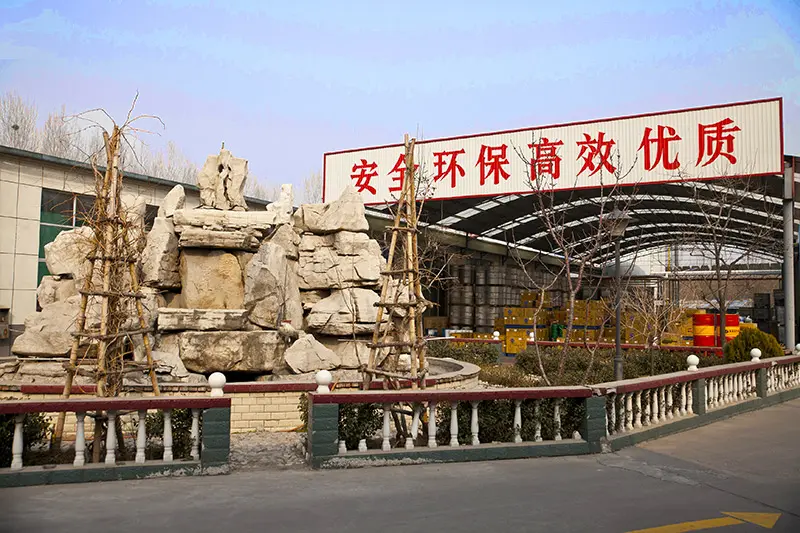
China has developed into the premier global hub for lubricating oil synthesis and production, driven by substantial infrastructure investment and technological advancement. Manufacturers like Shandong Longhai Lubrication Technology Development Co., Ltd. represent the pinnacle of this industrial evolution. Operating from a highly optimized production footprint in Zibo, Shandong, the facility utilizes raw material integration, automated blending technology, and precision quality control protocols to supply the global market efficiently.
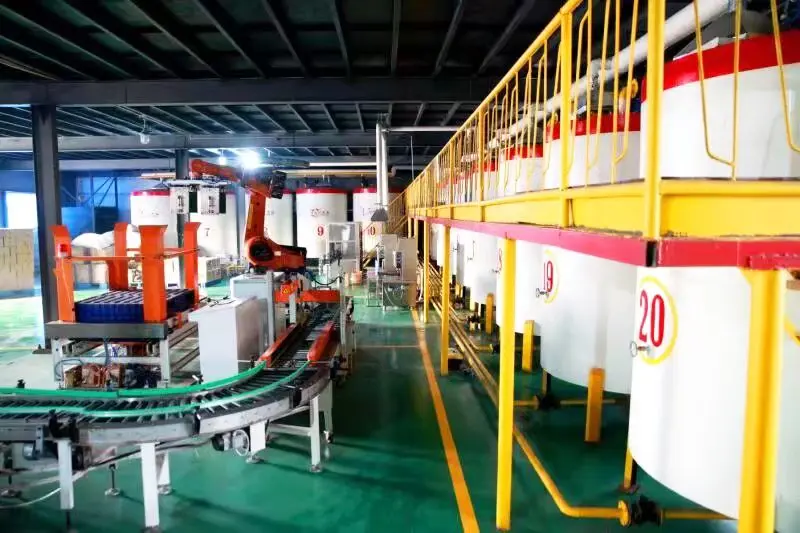
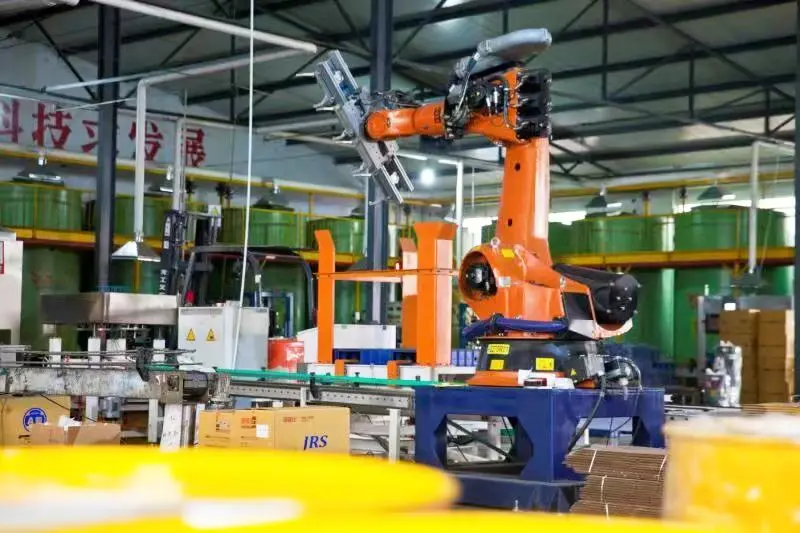
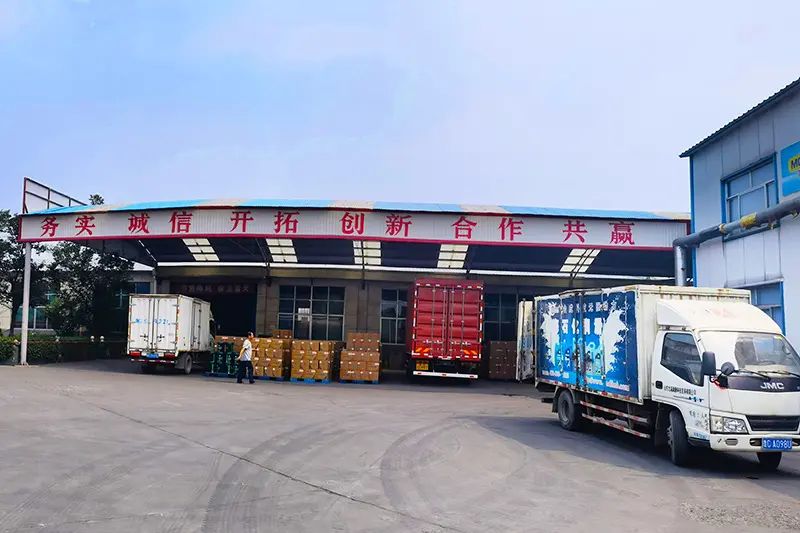
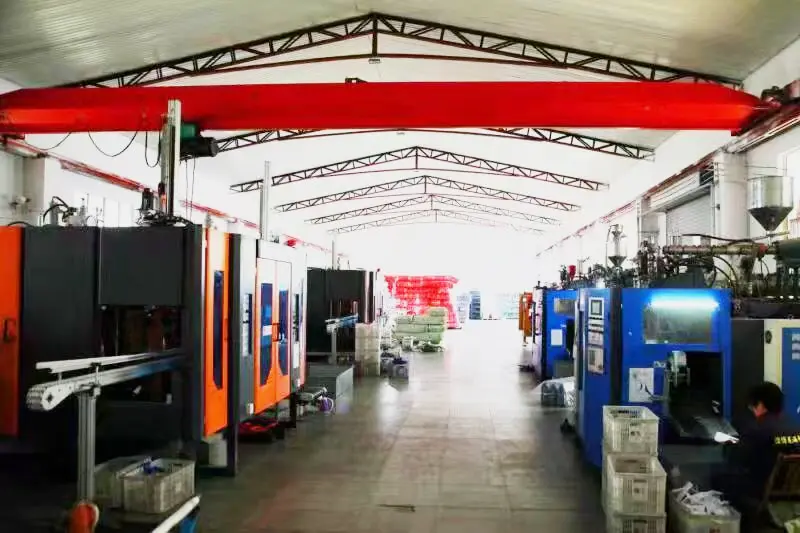
Chinese lubrication blending facilities utilize fully automated metering lines that maintain accurate mixing to within 1‰ to 2‰. By deploying high-capacity bulk receiving storage and high-speed automated packaging, these operations achieve a 20% to 35% speed improvement over traditional blending plants. This efficiency directly translates to shorter lead times, lower per-liter production costs, and consistent performance for bulk exports. The geographic location of Shandong also provides direct access to key shipping terminals, ensuring seamless domestic supply chains and reliable export pathways to Europe, the Americas, and Southeast Asia.
Different geographies demand targeted chemical configurations. For example, in mining applications across South America and Australia, heavy particulate load in the air requires compressor lubricants with exceptional dispersion characteristics to prevent sludge formulation.
In contrast, marine screw compressors operating under high humidity conditions require oils with strong demulsibility properties to separate water quickly. Our formulations are systematically adapted to meet these specific operational demands, ensuring system reliability in any environment.
Global industrial procurement has transitioned from focusing solely on the purchase price of lubricants to analyzing the Total Cost of Ownership (TCO). Cheap, sub-standard lubricants require frequent sump changeouts, cause higher friction losses (increasing energy bills), and pose a continuous risk of catastrophic mechanical failures. Industrial buyers are seeking manufacturers who can provide comprehensive third-party lab testing, ISO certifications, and customized viscosity indexing to match their specific operating parameters.
Furthermore, environmental regulations are driving a shift toward extended oil drain intervals (ODIs) and biodegradable formulations. Suppliers must demonstrate compliance with international standards, such as API (American Petroleum Institute), ACEA, and DIN certifications. By aligning with a partner capable of running customized chemical synthesis, global distributors and industrial operators can secure customized formulations that optimize energy efficiency and minimize waste generation.
Our engineering and production infrastructure is configured to meet strict international performance and compliance standards.
We utilize modern laboratory equipment to evaluate high-temperature oxidation resistance, shear stability, and viscosity performance under pressure, formulating lubricants that maximize compressor efficiency.
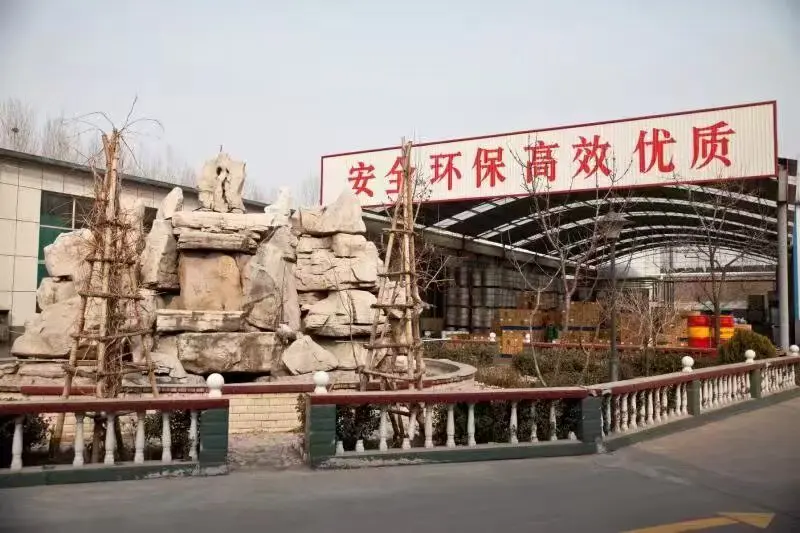
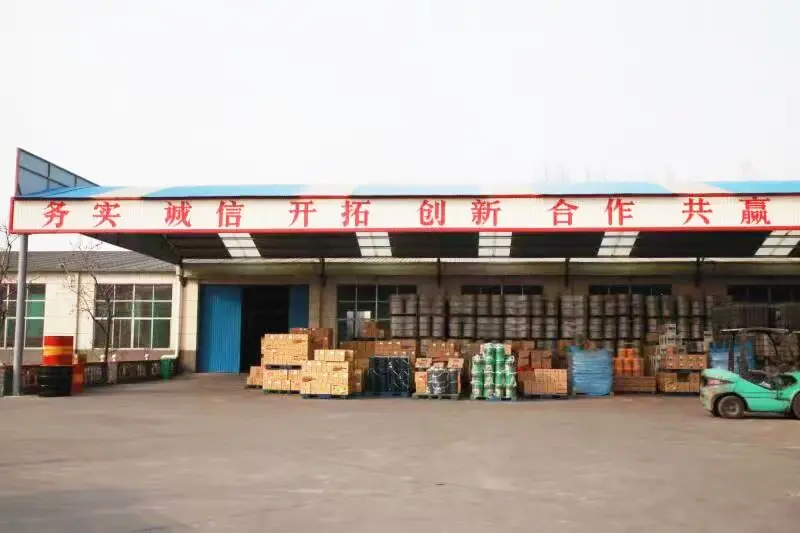
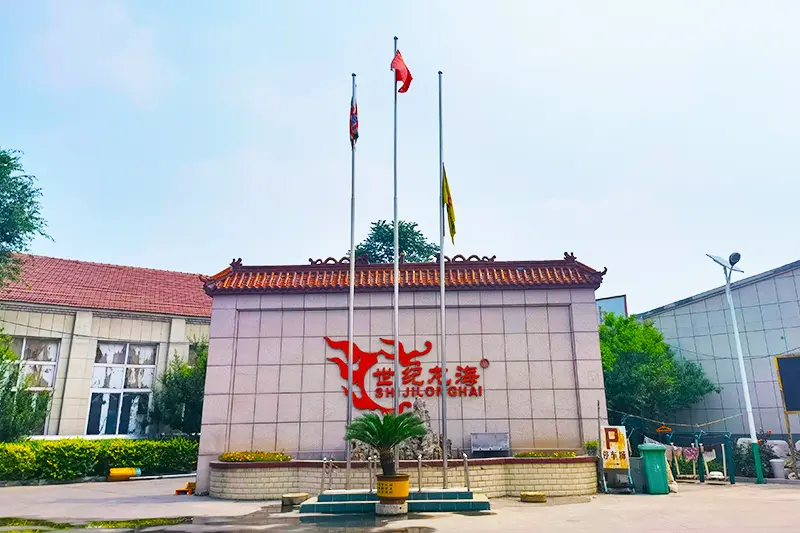
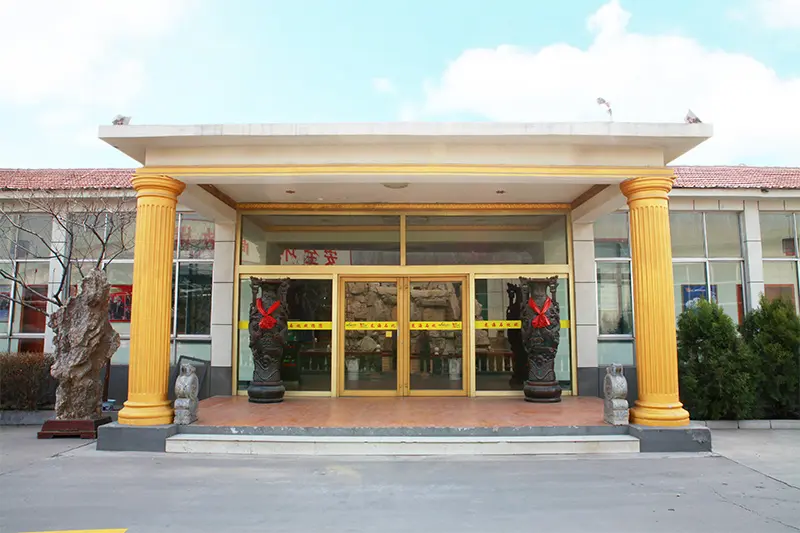
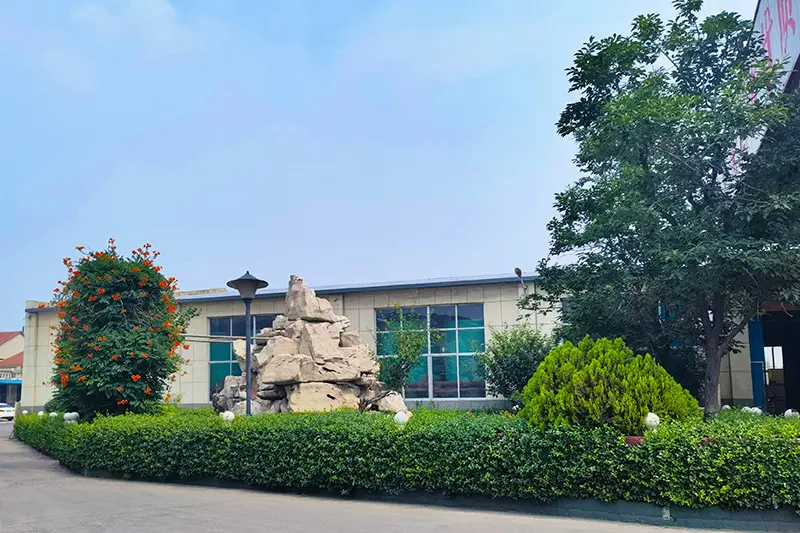
Operating across 131 acres with an annual capacity of 200,000 tons, our production facility features automated filling lines, digital monitoring, and clean-room configurations.
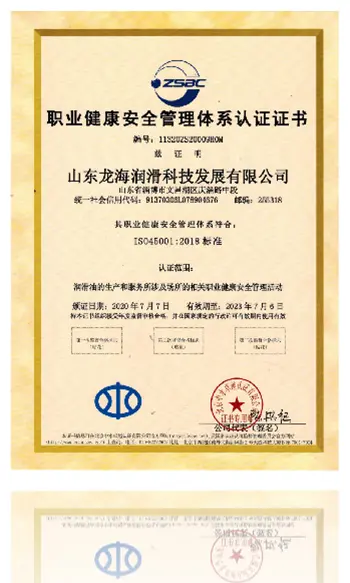
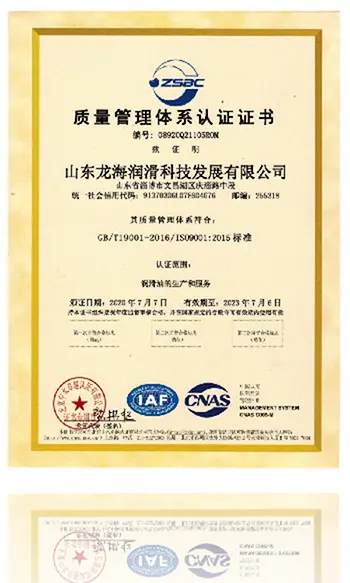
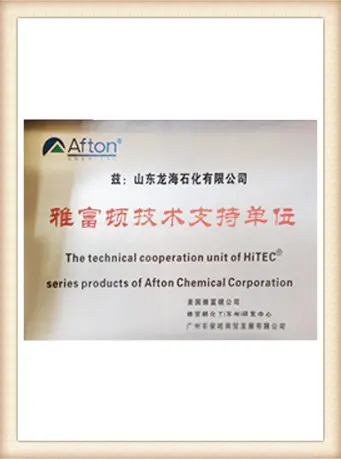
Our systems maintain ISO-9001-2015, ISO-14001, and ISO-18001 certifications. Product quality is fully insured by PICC, ensuring reliable protection for your machinery assets.
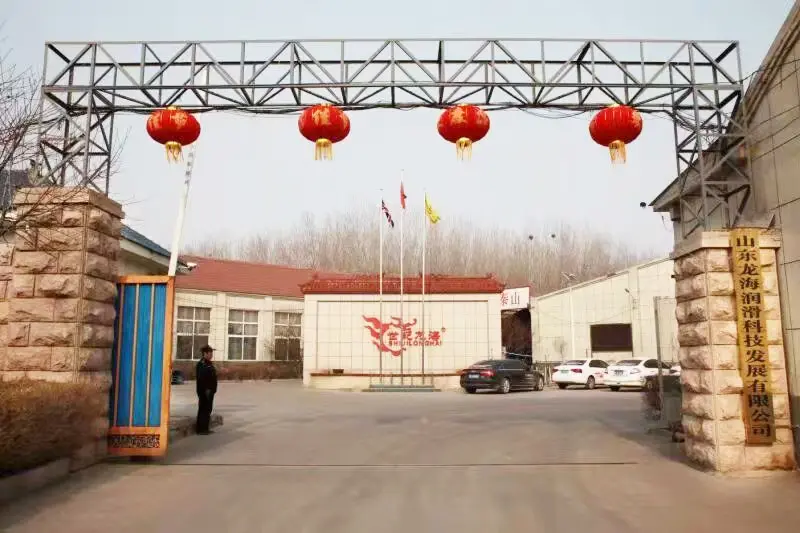
Established in Zibo, Shandong in 2009, we have spent over 15 years developing industrial lubrication technologies.
Shandong Longhai Lubrication Technology Development Co., Ltd. is a high-tech enterprise integrating R&D, production, and sales. We manage a comprehensive lubrication value chain, manufacturing products designed for diverse industrial and transport systems.
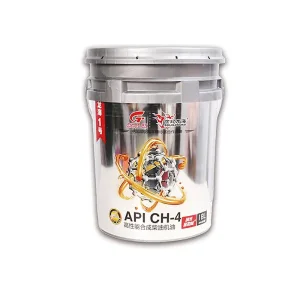
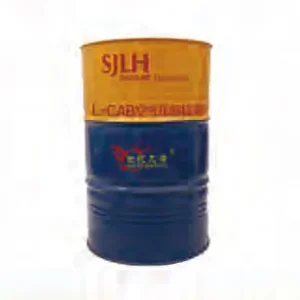
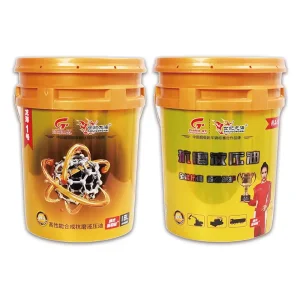
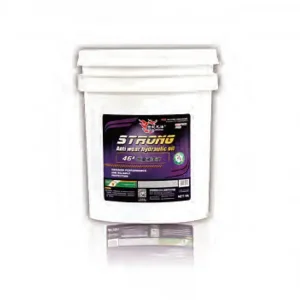
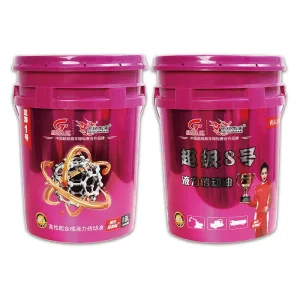
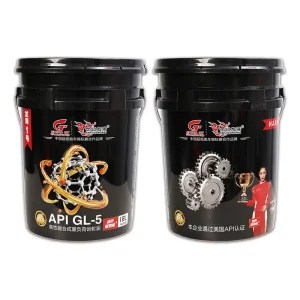
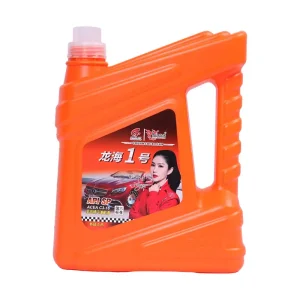
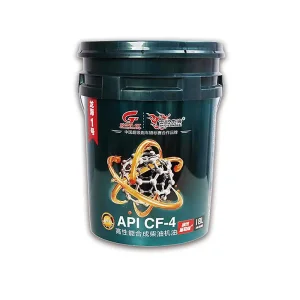
In addition to our flagship brand, "Century Longhai", we support strategic international co-brands like the British "A Ba" series. Our portfolio spans diesel engine oils (including CK-4, CJ-4, CI-4 Plus, CH-4), premium gasoline engine oils (SP, SN, SL, SJ), anti-wear hydraulic fluids, specialized industrial gear lubricants, and high-efficiency air compressor oils.
Our core operations are built on chemical stability and quality control. We implement strict blending standards and use advanced lab analytical equipment, securing approvals like the Mercedes-Benz certification for automatic transmission fluids.
Developing customized formulations tailored to your regional climate, equipment specifications, and market positioning.
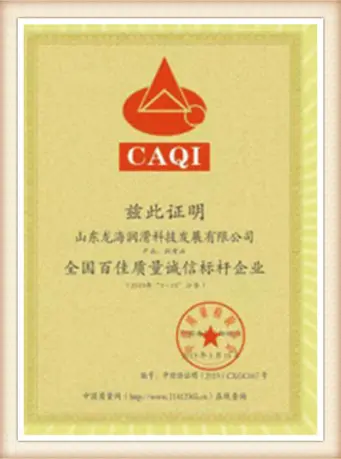
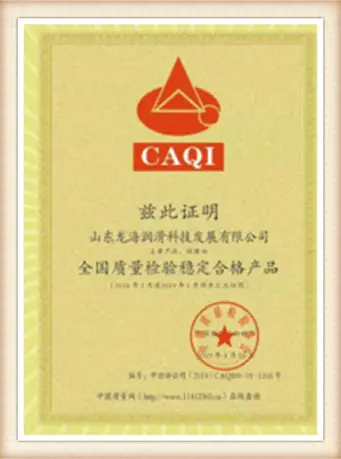
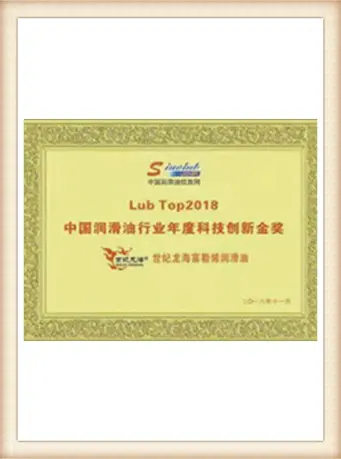
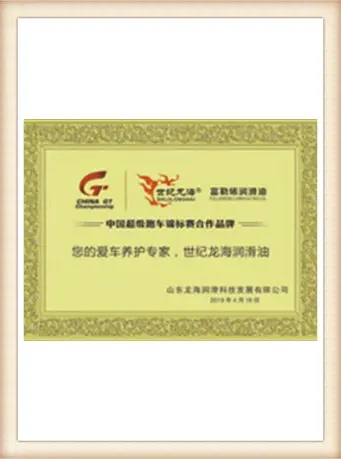
Verified standards of quality, safety, and environmental stewardship across our production facilities.
From analysis and custom formulation to automated blending and international shipment logistics.

Technical insights regarding viscosity selection, thermal protection, and maintenance optimization for industrial air compressor systems.
Premium formulations designed for powertrains, heavy-duty gearboxes, transmissions, and mechanical systems.
 Longhai