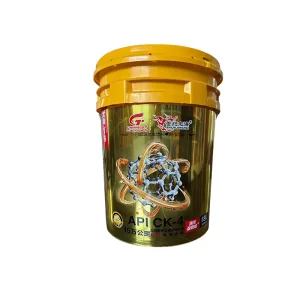
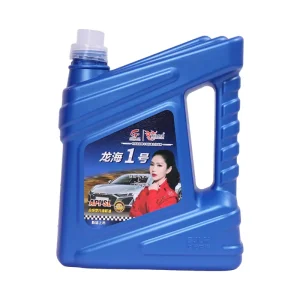
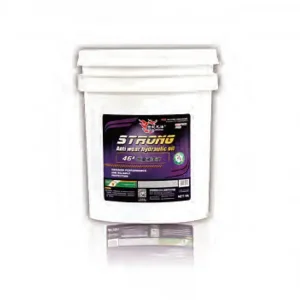
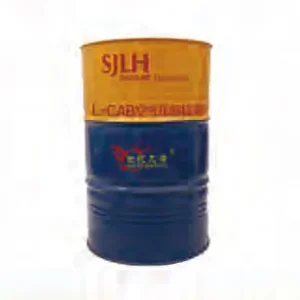
Engineered to ensure low-temperature viscosity performance, chemical compatibility, and outstanding thermal stability under high load conditions.
In thermal management engineering, the air conditioning (AC) compressor functions as the circulatory engine of the thermodynamic loop. To guarantee long-term efficiency, reliability, and cooling cycles, selecting the proper lubricating medium is of critical importance. Compressor oil is not just a friction-reducing agent; it must perform as a system sealant, heat transfer interface, and hydraulic actuator medium while interacting closely with modern refrigerants.
The global demand for high-grade refrigeration and AC compressor oils is expanding rapidly, driven by industrialization, cold-chain logistics, urbanization, and tightening environmental mandates. The transition from high-Global Warming Potential (GWP) Hydrofluorocarbons (HFCs) to natural and hydrofluoroolefin (HFO) refrigerants requires a corresponding evolution in lubricant chemistry.
Modern HVAC manufacturers must source high-purity Polyol Esters (POE), Polyalkylene Glycols (PAG), and Polyvinyl Ethers (PVE) to remain compliant with global policies like the Kigali Amendment. High-performance lubricants directly reduce system parasitic energy losses by up to 8% to 15%, aligning with corporate carbon emission targets.
Compressor lubricants are categorized by chemical structure to ensure compatibility with specific refrigerant gases:
A reliable air conditioning compressor oil must operate across wide temperature variances, from cold evaporator loops to hot discharge valves. High dielectric strength is crucial for electric vehicle (EV) hermetic compressors to prevent electrical leakage through the fluid. The anti-wear (AW) and extreme-pressure (EP) additive packages must also resist chemical breakdown when exposed to refrigerant mixtures at over 150°C.
Comprehensive physical and chemical performance standards for HVAC refrigeration and compressor configurations.
| Lubricant Family | ISO Viscosity Grades | Compatible Refrigerants | Critical Properties | Primary Industry Segment |
|---|---|---|---|---|
| Double End-Capped PAG | 46, 100, 150 | R-134a, R-1234yf, CO2 | Exceptional shear stability & ultra-low moisture retention | Automotive HVAC Systems |
| Synthesized POE | 32, 68, 100, 220 | R-410A, R-32, R-404A, HFOs | Outstanding miscibility, high thermal stability | Commercial & Residential Chillers |
| Polyvinyl Ether (PVE) | 32, 46, 68 | R-410A, R-32, R-134a | Hydrolytically stable, no acid generation | Variable Refrigerant Flow (VRF) Systems |
| Alkylbenzene (AB) | 32, 46, 68, 100 | R-22, Ammonia (R-717), R-502 | Superior low-temperature solubility, low foaming | Industrial Cold Storage Facilities |
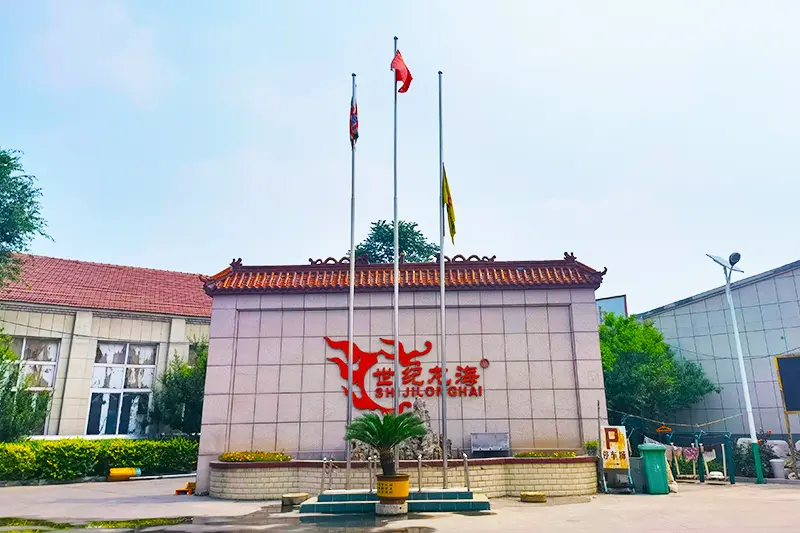
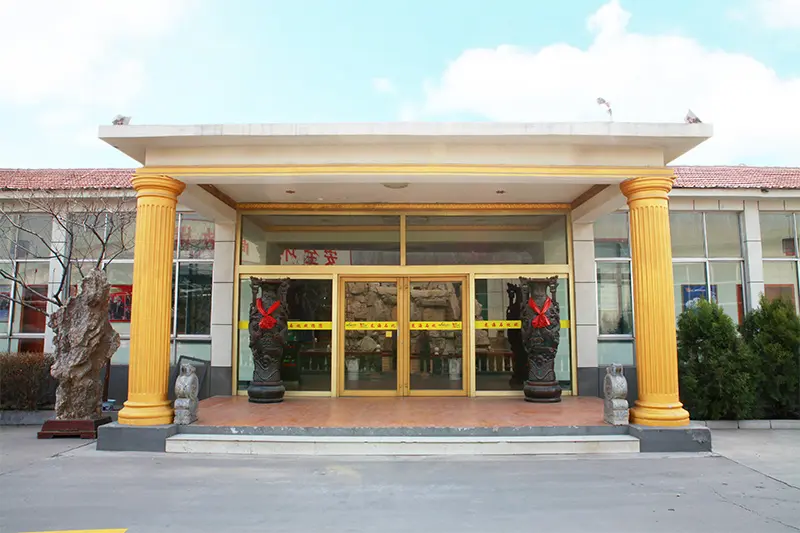
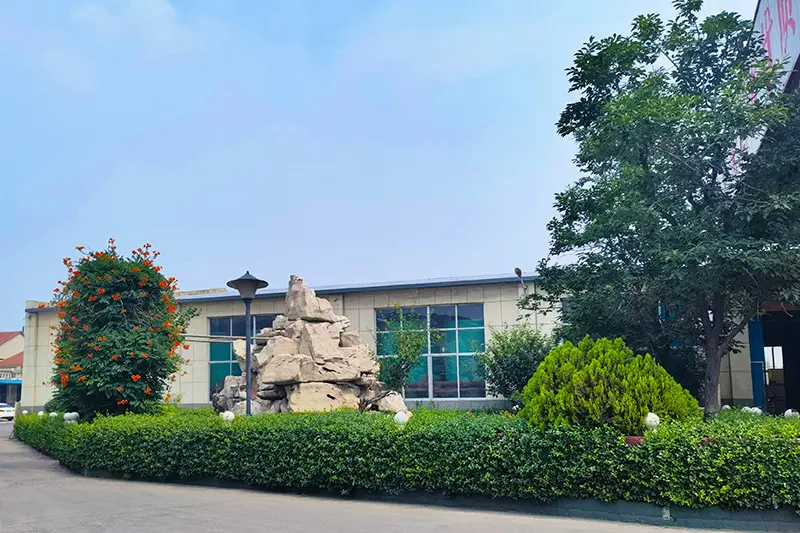
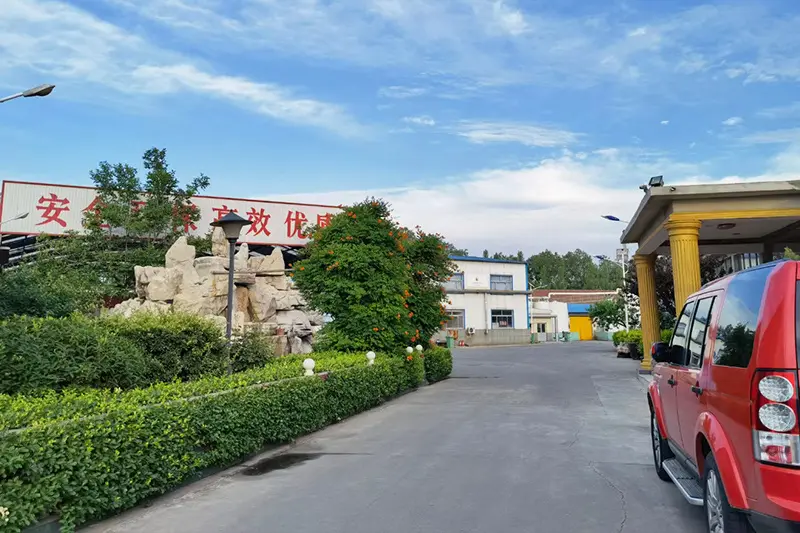
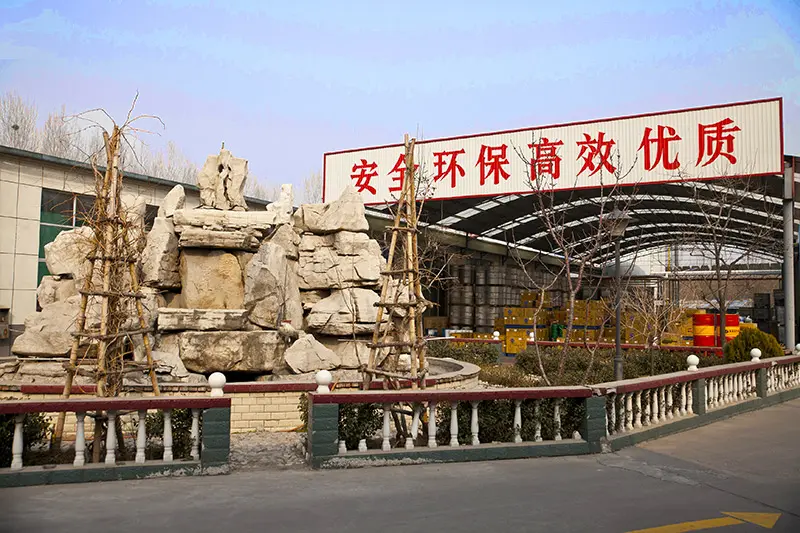
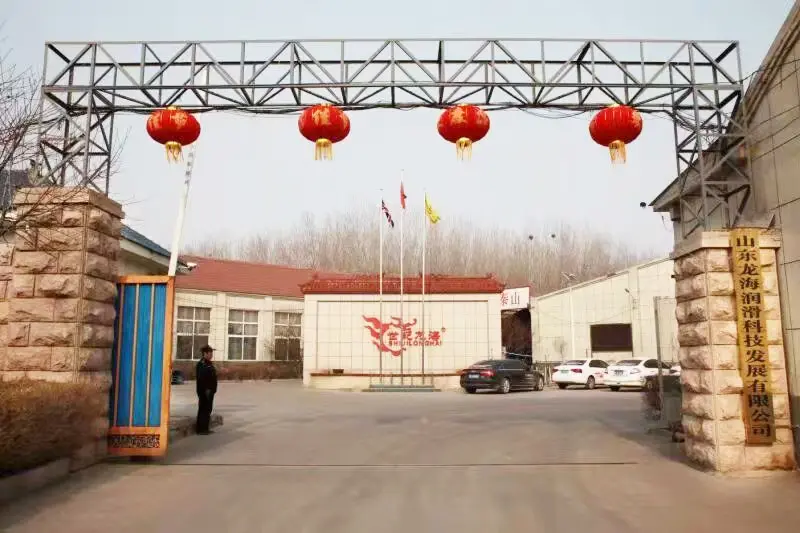
Established in 2009 and headquartered in Zibo, Shandong, Shandong Longhai Lubrication Technology Development Co., Ltd. is a high-tech enterprise integrating R&D, production, and sales. Deeply involved in the lubricant industry for over 15 years, the company has built a complete industrial chain system dedicated to providing high-quality lubrication solutions for global industrial and transportation fields.
As a reliable lubricant manufacturer, Longhai Technology owns its proprietary brand "Century Longhai" alongside the international strategic cooperation brand British "A Ba" series. Products are fully insured by PICC China People's Insurance Company to guarantee reliability and protect customer equipment investments.
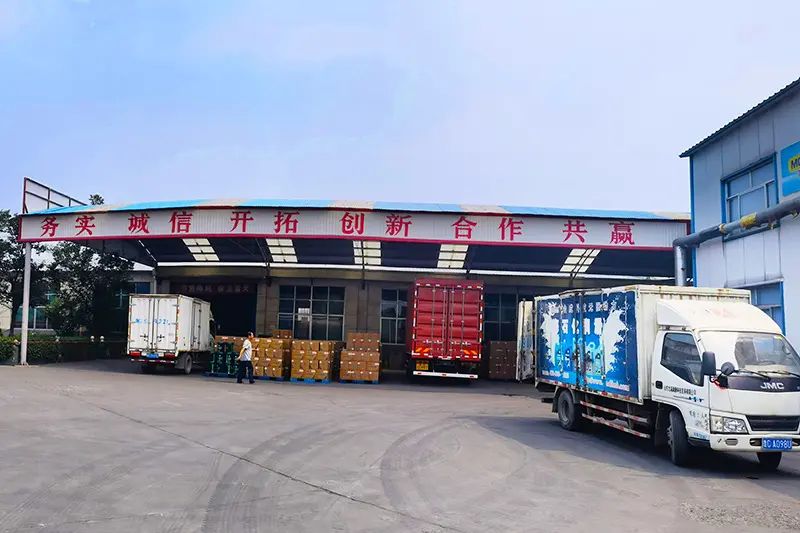
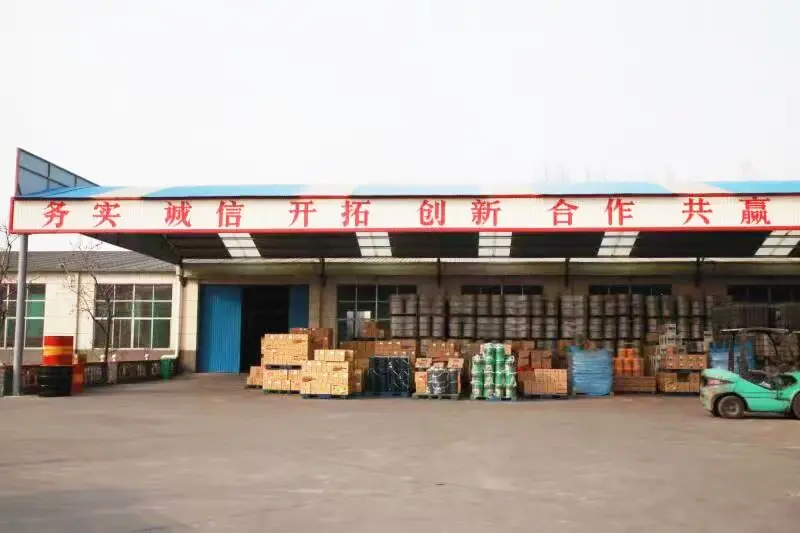
Our infrastructure covers an area of 131 acres, featuring an annual production capacity of 200,000 tons. Equipped with intelligent production lines and precision laboratories, we meet customized client demands. With a nationwide sales network spanning 139 cities in 29 provinces, autonomous regions, municipalities, and special administrative regions, our products are exported globally, earning the trust of leading industry enterprises.
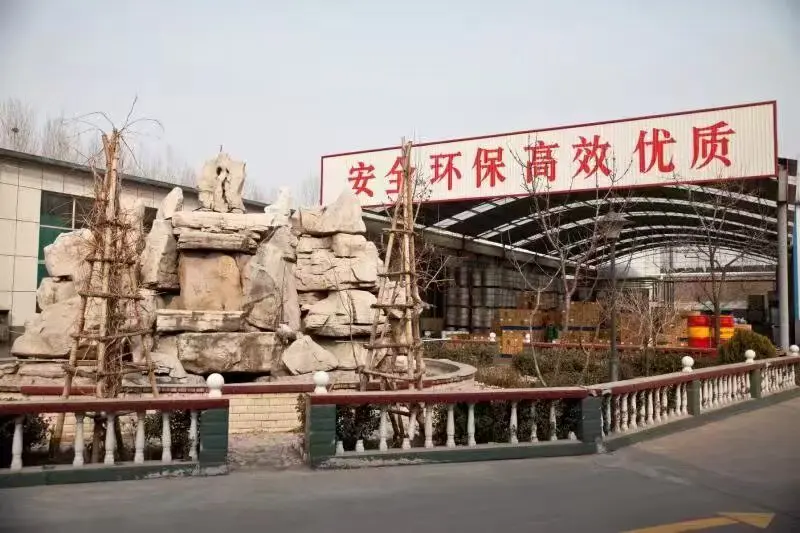
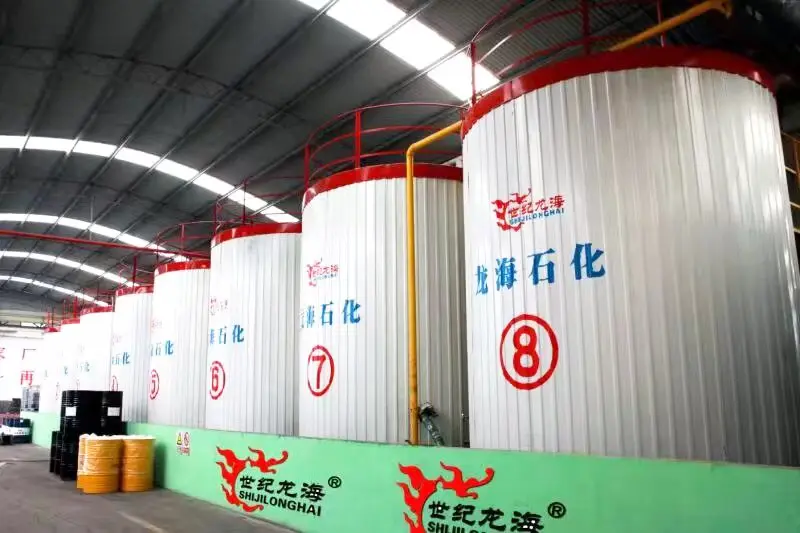
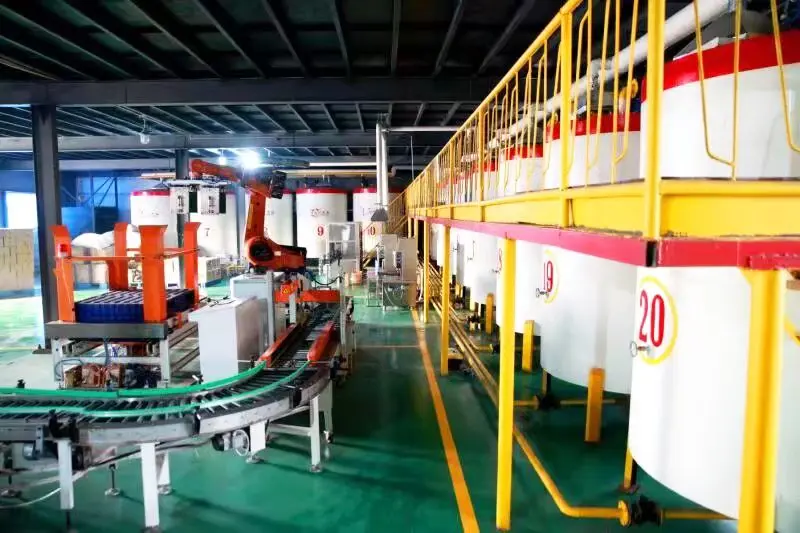
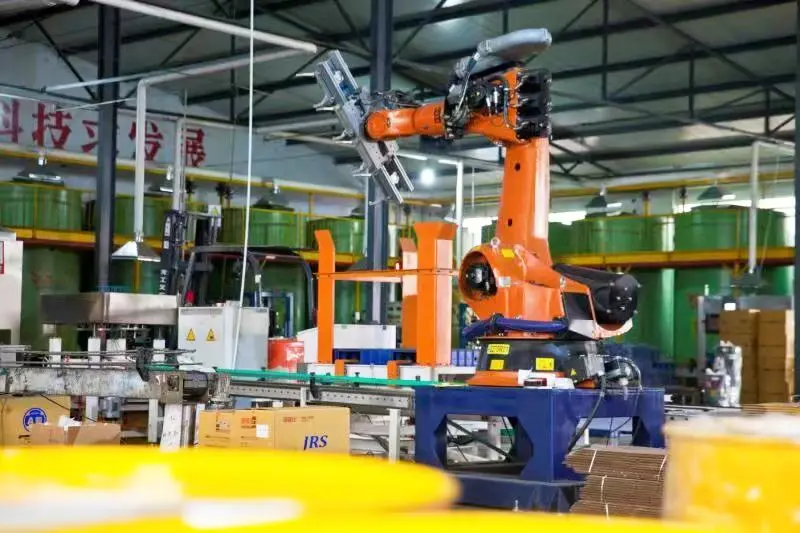
How we ensure quality consistency, accurate blending, and tailored lubrication design.
We invest more than 5% of annual revenue into R&D. Strategic partnerships with universities and research institutes allow us to optimize lubrication technology and advance the HVAC sector.
Using high-precision metering systems, we guarantee filling accuracy to within 1‰ to 2‰. Blending speeds are increased by 20% to 35%, ensuring rapid delivery timelines without sacrificing quality.
Equipped with intelligent production lines and dedicated labs, we synthesize fully synthetic, semi-synthetic, and custom mineral oil formulas based on regional climates and target applications.
Fully tailored formulation, manufacturing, packaging design, and logistics for international private label brands.
Formulations adjusted for extreme temperatures, viscosity profiles, and refrigerant types (HFO, CO2, R32).
Accommodating both specialized pilot batches and large-scale industrial blending requirements.
Rigorous chemical, physical, and tribological verification, supported by third-party testing reports.
Comprehensive assistance with label compliance, container sourcing, and shipping logistics.
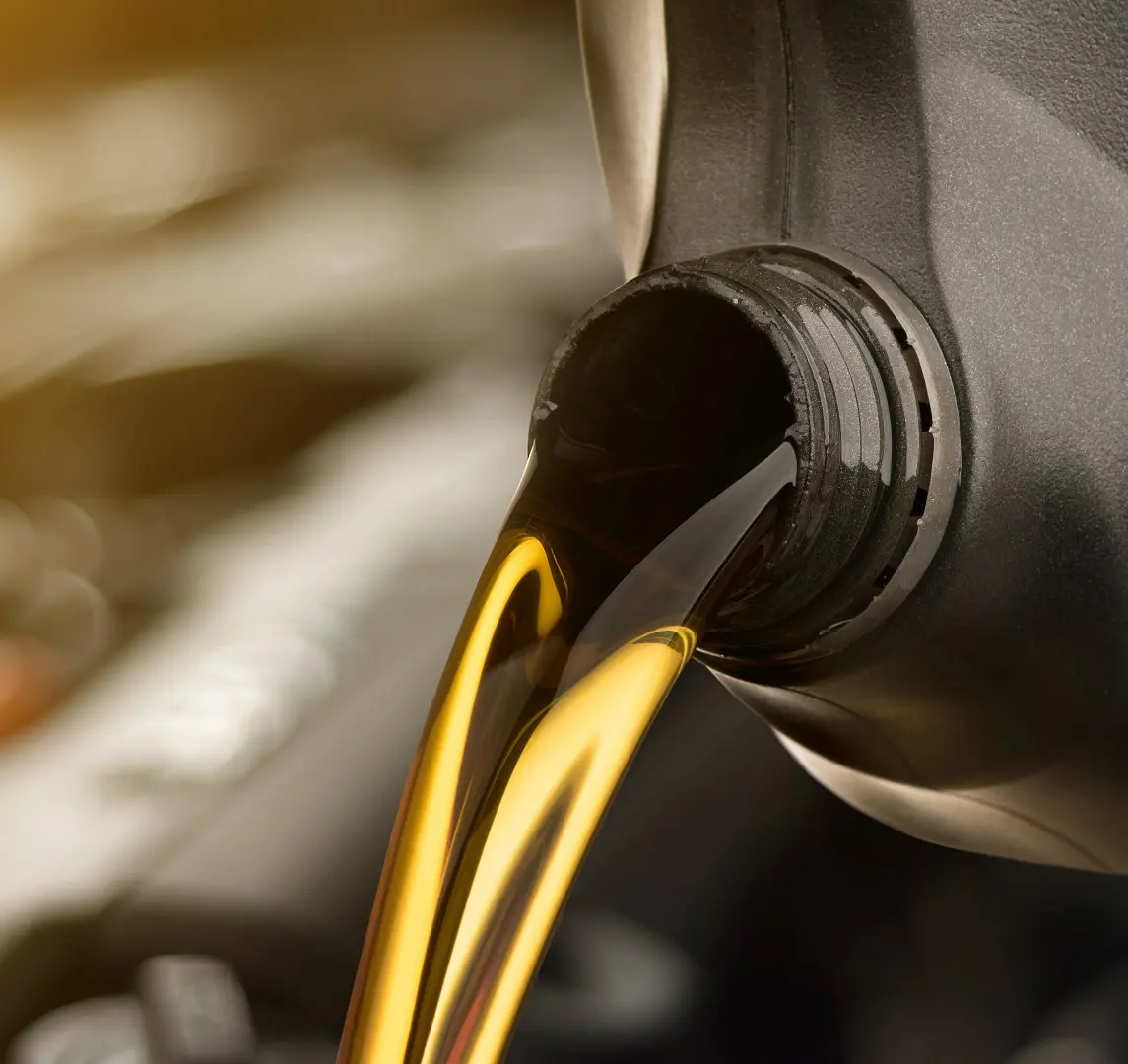
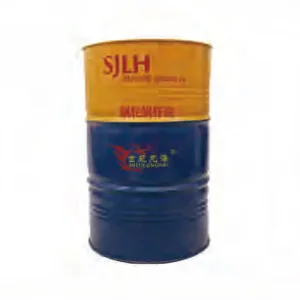
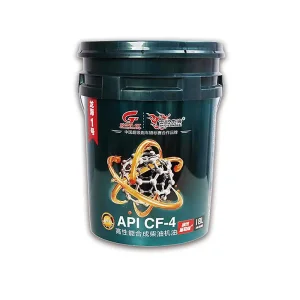
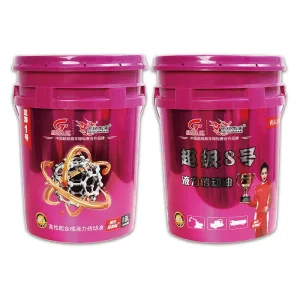
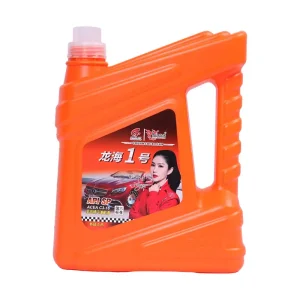
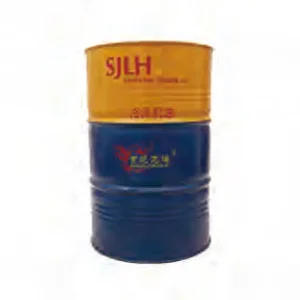
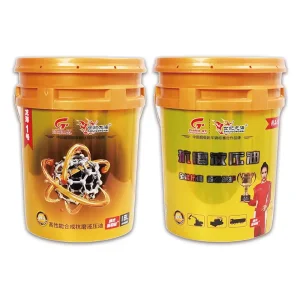
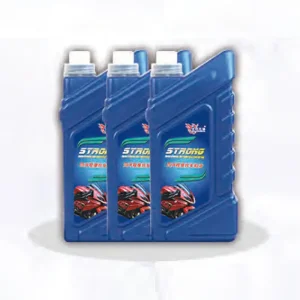
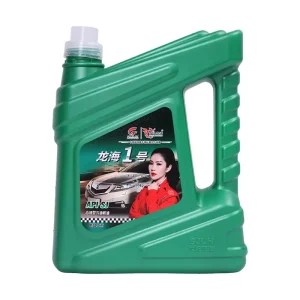
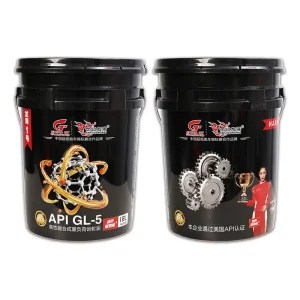
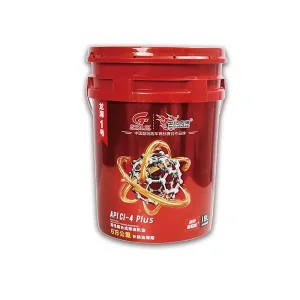
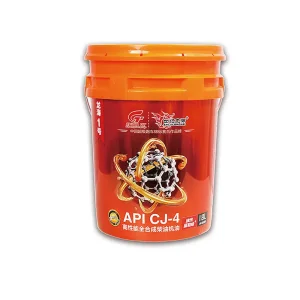
Shandong Longhai's state-of-the-art facility utilizes automated packaging systems. This system supports high-precision drum, pail, or small bottle configurations for automotive application channels. The automated workflow ensures clean packaging and low moisture levels during final sealing.
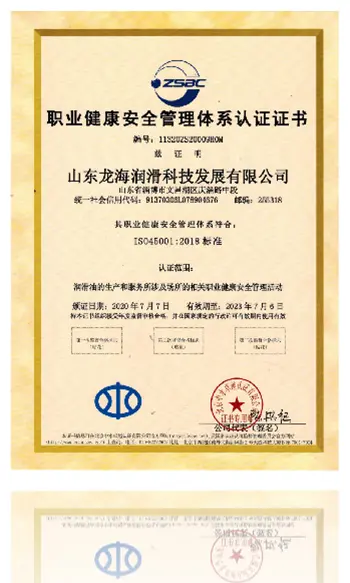
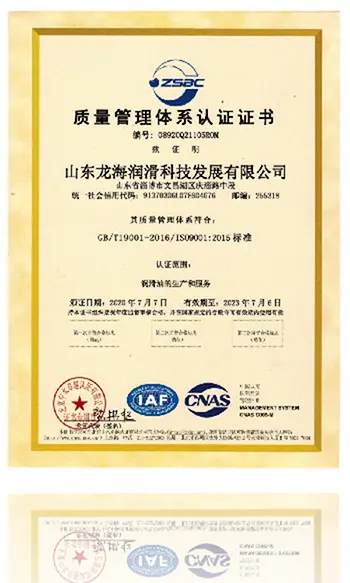
Our OEM/ODM pipeline operates under ISO 9001, 14001, and 45001 guidelines to guarantee your private label lubricants meet strict global quality standards.
A step-by-step workflow designed to deliver high-quality, tailored lubricant formulations to the global market.
1. Demand Analysis

2. Formula Development
3. Sample Testing
4. Production Delivery
5. After-Sales Support
Inspection, monitoring, and validation procedures to assure that every batch matches strict international standards.
Industrial answers for technical buyers, plant engineers, and purchasing directors.
Speak with our senior application engineers to request a custom blending analysis, acquire technical data sheets (TDS), or discuss OEM packaging options.
Request Free Custom SampleFormulated to support agricultural, automotive, heavy transport, and extreme-load industrial machinery.
 Longhai