In the global industrial arena, operational efficiency and machine lifecycle durability are heavily dependent on fluid dynamics. As mechanical pressures rise and heavy machinery operations become continuous, the demand for high-grade hydraulic gear oils increases. This whitepaper analyzes the composition, operational mechanisms, and critical importance of selecting high-performance lubricants. We look at key operational parameters, from viscosity preservation under shear stress to oxidative stability in high-temperature environments.
Industrial components operate under extreme conditions, including high shock loads and extreme pressure. General lubricants fail when thin fluid films break down, causing direct metal-to-metal contact and components wearing out. Quality hydraulic gear oils use premium Group II and Group III mineral base stocks, alongside advanced polyalphaolefins (PAO) and synthetic polyalkylene glycols (PAG). This achieves a high Viscosity Index (VI) to keep the fluid film stable across temperature variations.
These advanced bases are formulated with carefully chosen additive packages, including:
While often grouped together, hydraulic fluids and industrial gear oils serve different roles. Hydraulic fluids transfer power smoothly while protecting precision pump components from wear. Gear oils must protect tooth profiles from sliding friction, high torque, and shock loads. Modern heavy equipment often integrates these functions, requiring multi-purpose formulations that meet both pump protection standards (e.g., Denison HF-0, Eaton-Vickers M-2950-S) and industrial gear requirements (e.g., DIN 51517 Part 3 CLP, AGMA 9005-E02). Selecting the correct formulation ensures system reliability and reduces the risk of equipment failure.
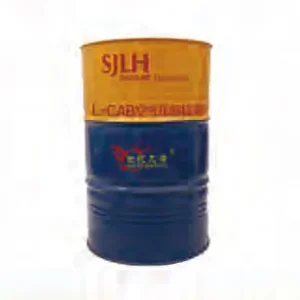
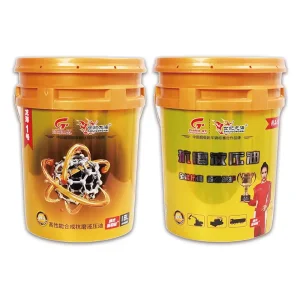
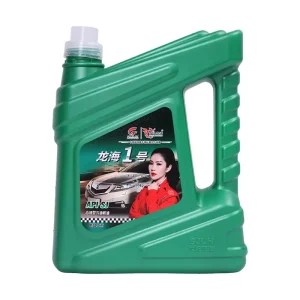
Founded in 2009 in Zibo, Shandong, Shandong Longhai Lubrication Technology Development Co., Ltd. is a high-tech enterprise integrating research, development, blending, packaging, and global sales. Spanning a 131-acre production base, the facility has an annual output capacity of 200,000 tons. This capacity allows us to meet large-scale global demands without compromising quality or lead times.
Our facility operates automated blending systems and computerized batching equipment. The high-speed packaging lines utilize precision metering systems that ensure a filling accuracy within 1‰ to 2‰. This precision control speeds up operations by 20% to 35%, ensuring timely deliveries for bulk international purchase orders.
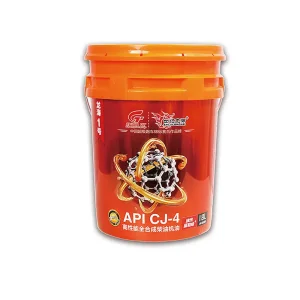
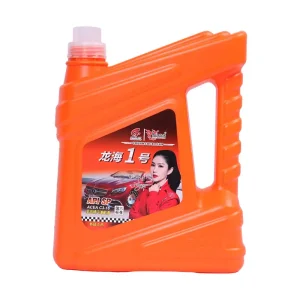
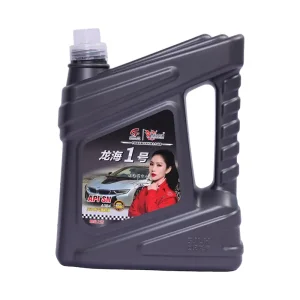
We invest over 5% of our annual revenue into R&D. Our state-of-the-art testing facility is equipped to perform critical tests, including ICP atomic emission spectrometry, gas chromatography, foam characteristics testing, and four-ball wear testing. This ensures every batch of "Century Longhai" and British "A Ba" lubricants meets strict international standards.
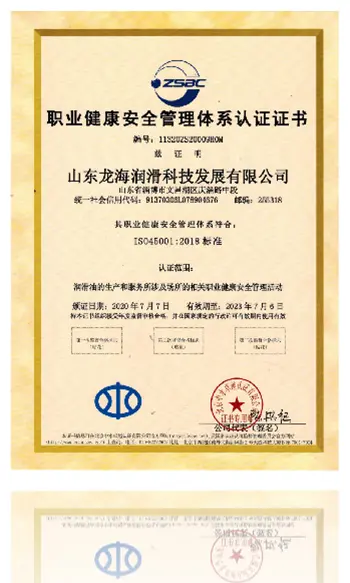
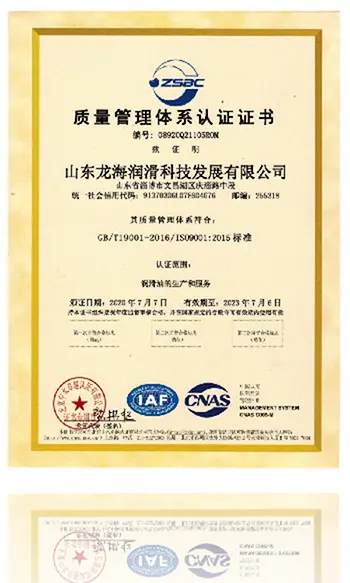
We maintain certified management systems including ISO 9001:2015 Quality Management, ISO 14001:2015 Environmental Management, and ISO 45001:2018 Occupational Health & Safety. Key product lines carry international approvals, such as Mercedes-Benz approvals, ensuring global compatibility and compliance.
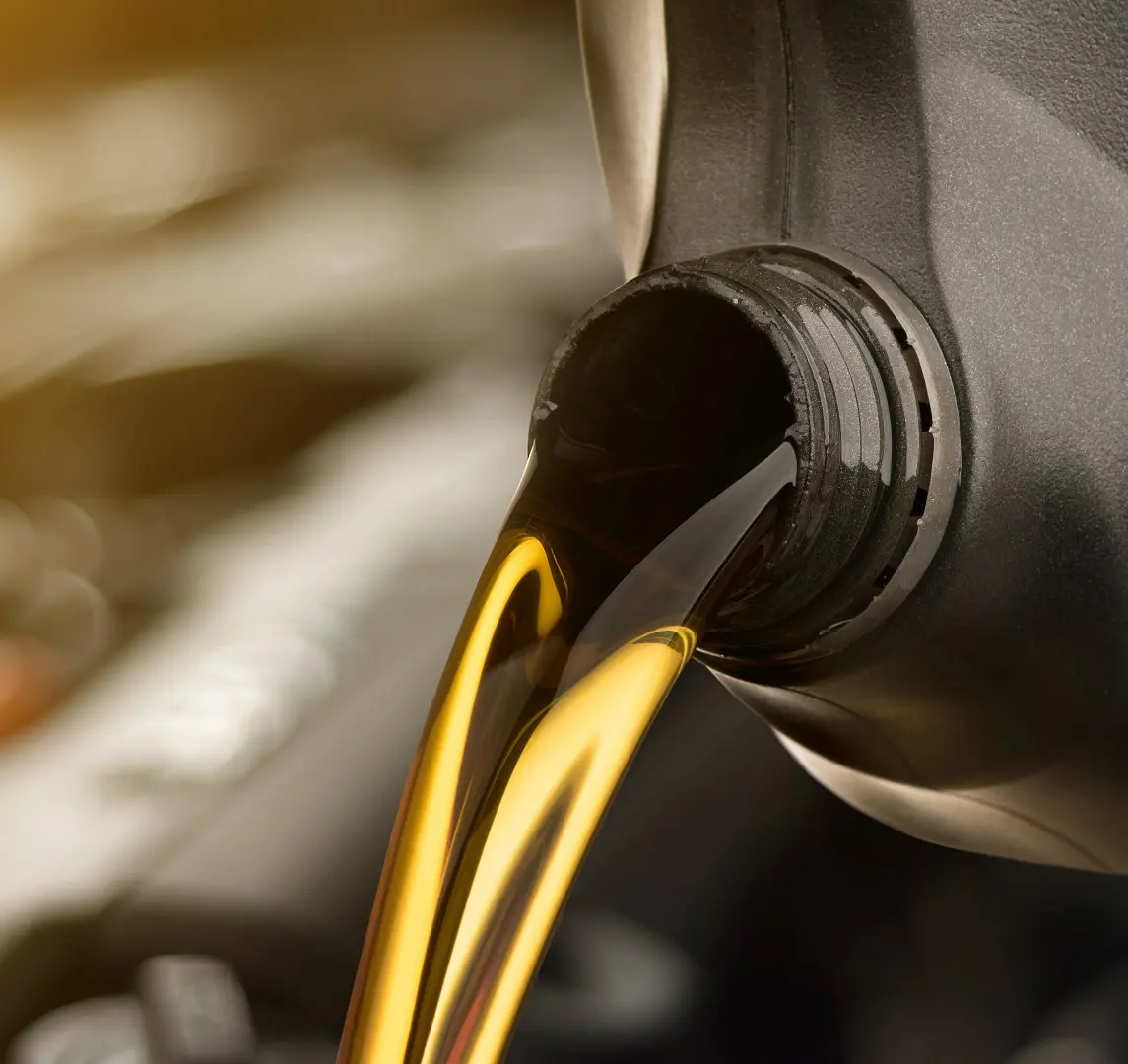
We support our clients through customized fluid formulation. By adjusting viscosity profiles, additive balance, and base oil selection, we deliver products tailored to specific application conditions: from high-shear gear systems in cold climates to heavy industrial gearboxes in high-temperature plants.
Our team works closely with your engineering department to customize performance metrics. We optimize pour point indicators, water separation rates, and foaming limits, ensuring all formulations meet OEM requirements.
Protects components against shock loads, abrasive dust, and moisture in gearboxes and hydraulic systems. Minimizes pitting in high-torque operations, helping to prevent unscheduled field shutdowns.
Maintains high thermal and oxidative stability in hot strip mills and blast furnace machinery. Prevents varnish build-up and keeps control valves clean in heavy hydraulic systems.
Formulated for durability in offshore environments. Features reliable micro-pitting resistance, low-temperature pumpability, and moisture protection for wind turbine gearboxes and marine deck winches.
The industrial lubrication market is shifting toward highly refined products driven by energy efficiency goals, strict environmental standards, and predictive maintenance technologies. Modern system operators are moving away from traditional lubricants to prevent fluid degradation and system downtime.
Environmental regulations and corporate sustainability initiatives are driving the demand for biodegradable hydraulic fluids and synthetic ester-based gear lubricants. These formulations reduce environmental impact in forestry, marine, and agriculture sectors while maintaining high wear protection.
Reducing internal fluid friction directly lowers system operating temperatures and energy consumption. Modern hydraulic gear oils are formulated with high shear stability to optimize mechanical efficiency in hydraulic pumps and gear drives, reducing overall energy costs.
As factories adopt Industry 4.0, real-time oil condition monitoring is becoming standard. Modern synthetic formulations are designed to limit additive depletion, maintaining reliable oil quality signals in systems equipped with real-time dielectric and water sensors.
01
Demand Analysis
02
Formula Development
03
Sample Testing
04
Production Delivery
05
After-Sales Support
 Longhai