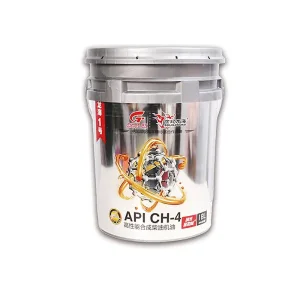
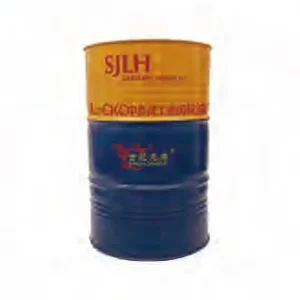
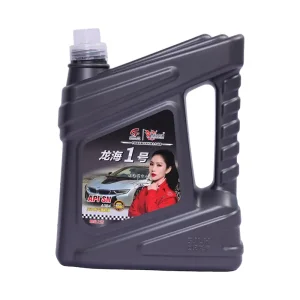
Explore our high-performance engine, gearbox, and compressor oils designed for extreme wear protection and optimal efficiency.
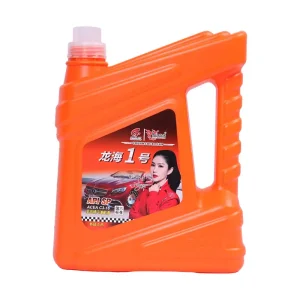
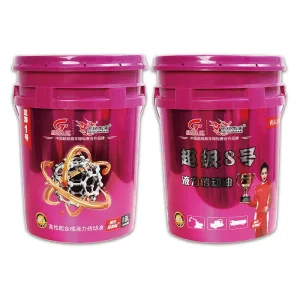
How Modern Mechanical demands and Environmental Mandates are Reshaping Tribological Solutions
The global industrial landscape is experiencing a paradigm shift. As machinery becomes more compact, energy-dense, and operating speeds increase, the stress placed on internal mechanical components—particularly gearboxes—has reached unprecedented levels. Modern industrial gearboxes are expected to transmit higher torques while operating under tighter design tolerances. Consequently, gearbox lubrication is no longer viewed as a simple maintenance consumable. Instead, it is classified as a critical structural component of the mechanical system itself.
Three primary macro trends are driving the evolution of the gearbox lubrication factory and supplier ecosystem:
Global manufacturing facilities operating in extreme climates—such as offshore wind farms, deep-pit mining operations, and high-temperature steel mills—require gear lubricants that maintain a stable viscosity index. Base oils must withstand high thermal shear without breaking down into sludge, which can lead to catastrophic component failure.
While mineral-based gear oils remain common for light-duty operations, heavy industry is transitioning to polyalphaolefin (PAO) and polyalkylene glycol (PAG) synthetic formulations. These synthetic bases provide superior oxidative stability, excellent low-temperature fluidity, and reduced friction coefficients, yielding measurable energy savings.
The cost of downtime in a modern automated factory can reach thousands of dollars per minute. Industrial operators demand lubricants designed for extended drain intervals. This requires advanced additive chemistries—including surface-reactive extreme pressure (EP) agents and corrosion inhibitors—that keep gears protected for thousands of operational hours.
Industrial procurement managers face a volatile landscape. Sourcing gearbox lubricants for global operations requires balancing quality, regulatory compliance, logistical stability, and cost. Enterprise buyers are looking for integrated partners—not just commodity vendors—who can provide customizable formulations (OEM/ODM), comprehensive certifications (ISO, IATF), and guaranteed supply chain continuity.
Key procurement requirements include trace chemistry verification, raw material price stability, and local compliance (such as REACH in Europe or EPA regulations in North America). As a result, the selection of a factory supplier is a critical strategic decision that affects the reliability of multimillion-dollar industrial assets.
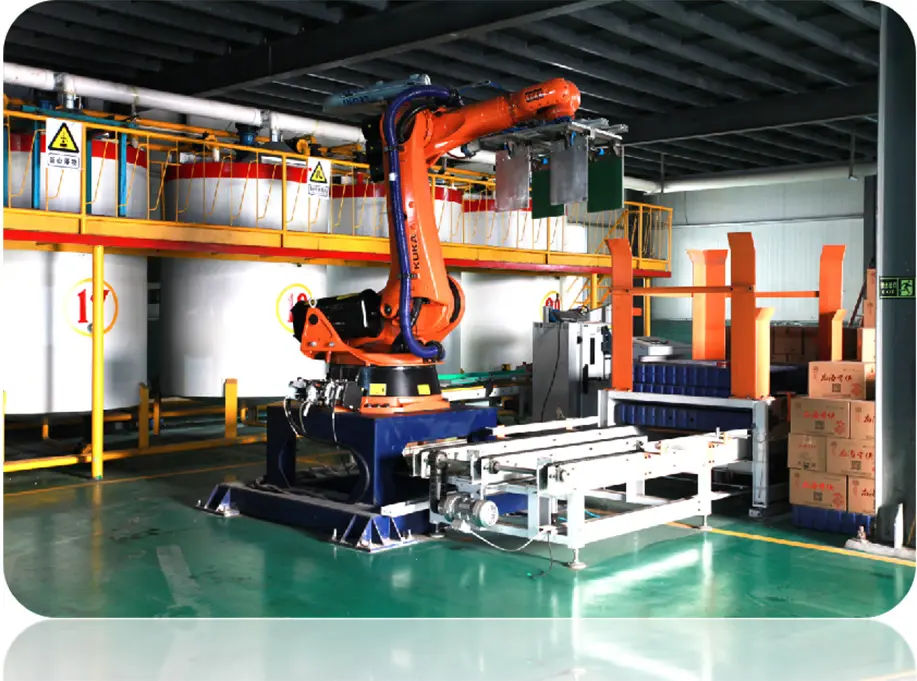
How Shandong Longhai Integrates Automation, Precision Labs, and Geographic Cluster Synergy
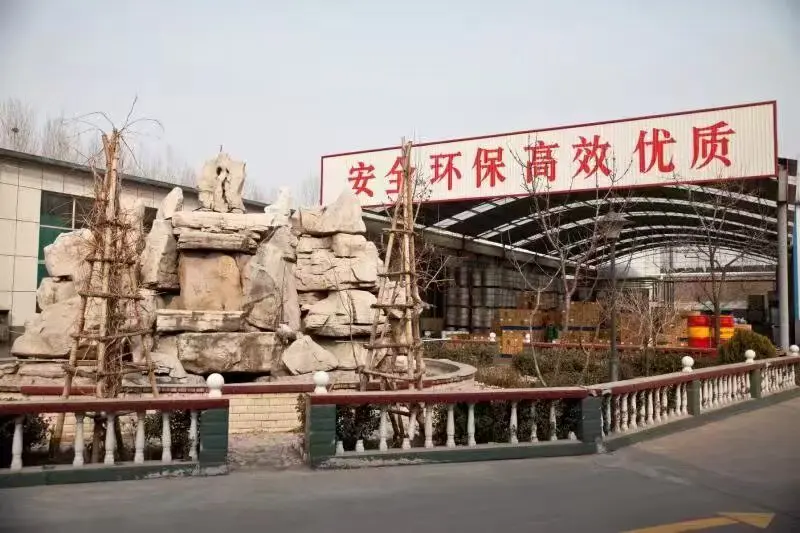
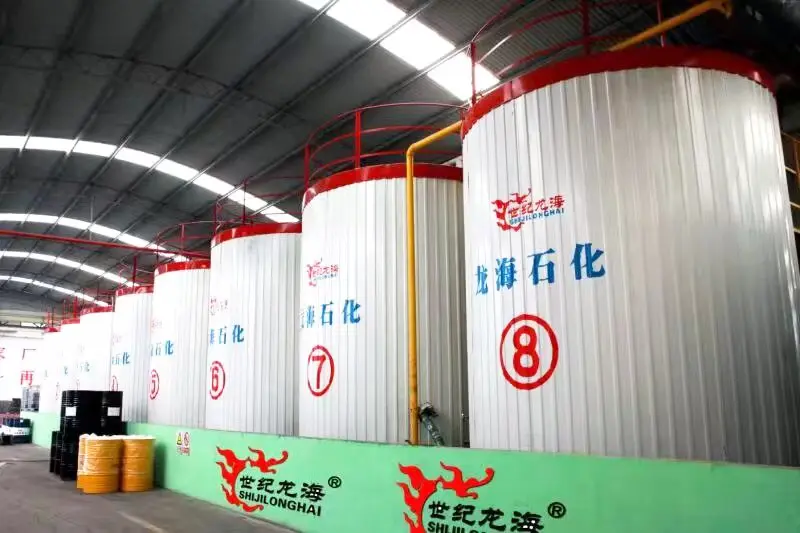
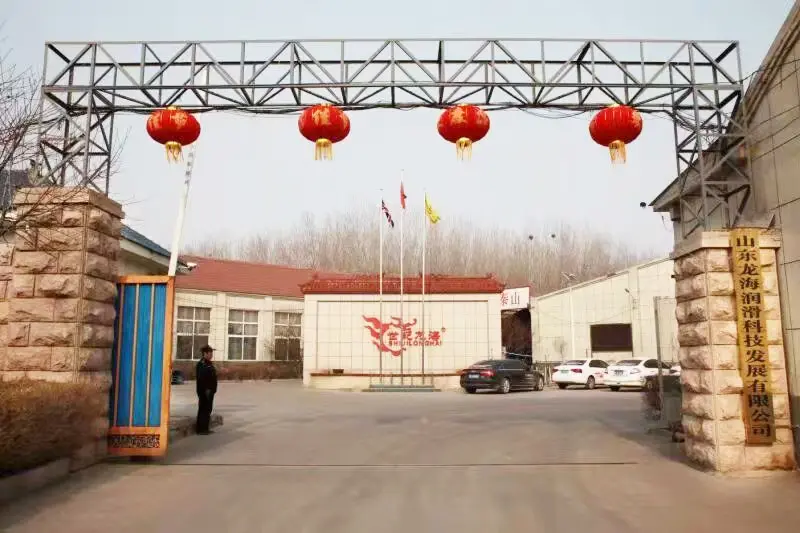
China's industrial manufacturing has evolved from low-cost assembly to high-precision engineering. In the lubrication sector, this evolution is represented by Shandong Longhai Lubrication Technology Development Co., Ltd., headquartered in Zibo, Shandong. Established in 2009, Longhai has spent over 15 years developing a smart factory ecosystem that addresses the needs of global industrial buyers.
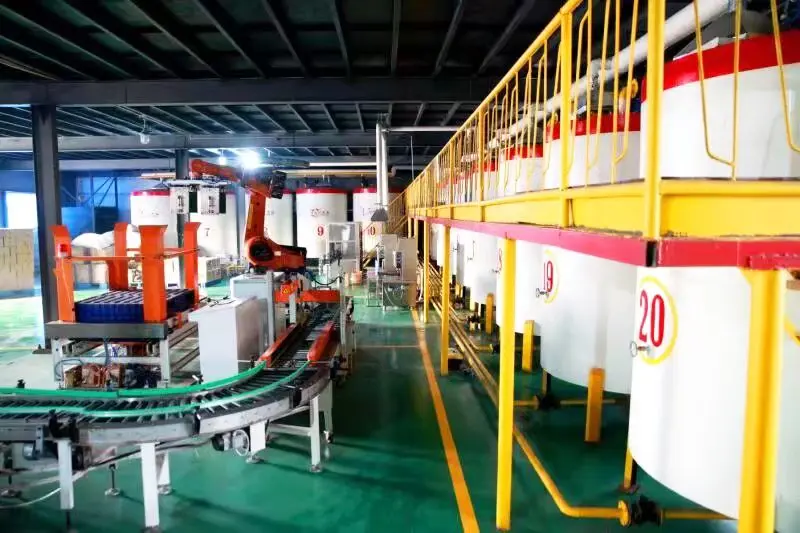
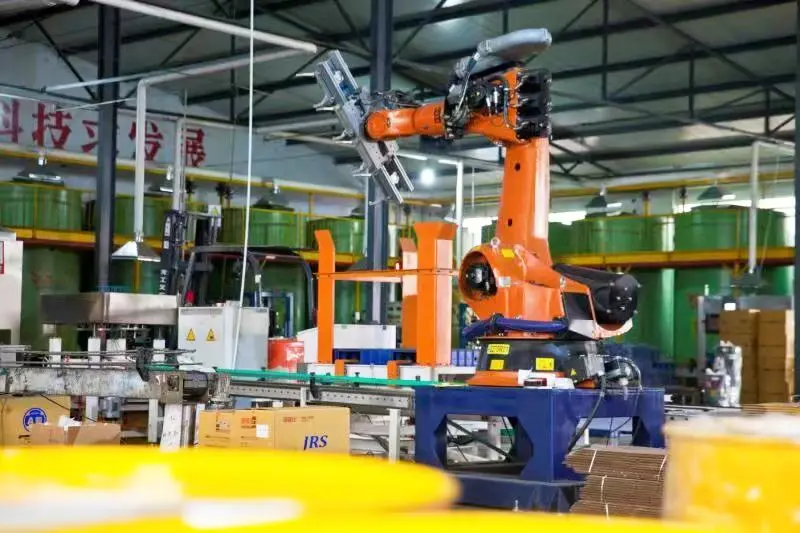
The factory's 131-acre production base utilizes advanced automated blending lines governed by high-precision metering systems. This technology ensures raw materials are precisely dosed, guaranteeing a filling accuracy within 1‰ to 2‰. By transitioning to fully automated systems, Longhai has increased production and filling efficiency by 20% to 35%, ensuring order delivery times are met even during global logistics bottlenecks.
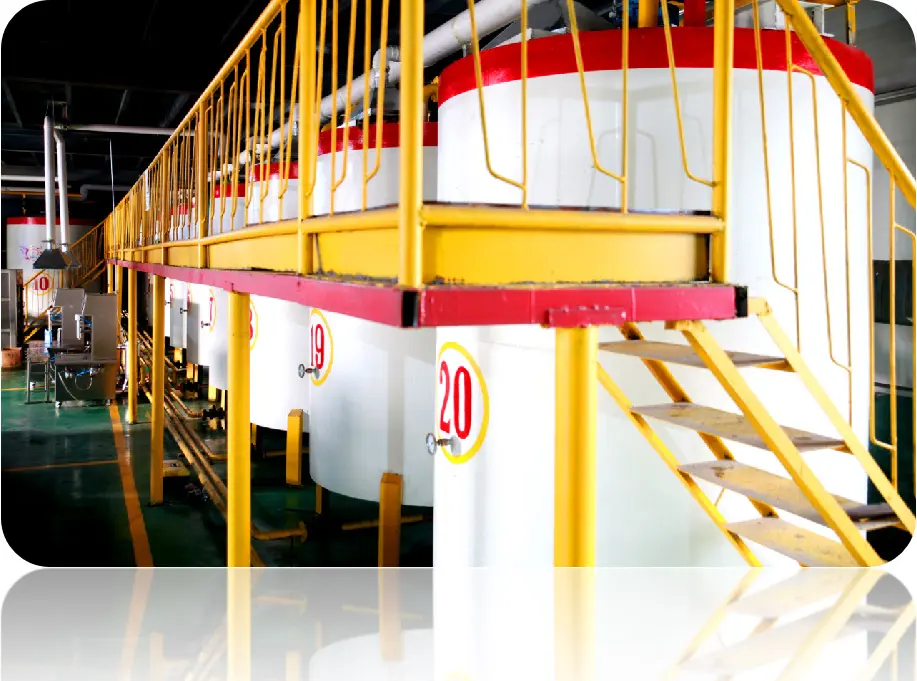
Zibo is a major chemical and refining hub in East China. This location provides Longhai with direct access to high-quality base oils (Group I, II, III, and synthetic PAO/Esters) and specialized additive packages. This localized supply chain minimizes transportation costs, shields the factory from raw material shortages, and allows for stable, competitive pricing for bulk wholesale clients.
Additionally, the factory's proximity to major maritime shipping lanes via Qingdao Port enables prompt dispatch to international markets, including Southeast Asia, Europe, and the Americas.
Smart manufacturing also requires rigorous quality control. Longhai invests over 5% of its annual revenue directly into research and development, collaborating with universities and tribology laboratories. The company's precision testing laboratories monitor every stage of production—from incoming base oils to finished lubricants—using advanced testing equipment (including inductively coupled plasma (ICP) spectrometers and gas chromatography) to verify performance under extreme pressures, temperatures, and shear forces.
A High-Tech Enterprise Driven by Innovation, Quality Assurance, and Global Standards
Founded in 2009, Shandong Longhai Lubrication Technology Development Co., Ltd. is a recognized high-tech enterprise integrating R&D, production, and sales. Over the past 15 years, Longhai has built an extensive industrial chain system dedicated to providing high-performance lubrication solutions for the transportation and heavy industrial sectors globally.
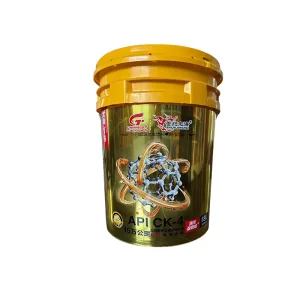
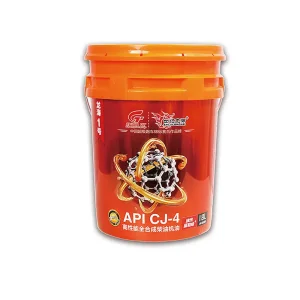
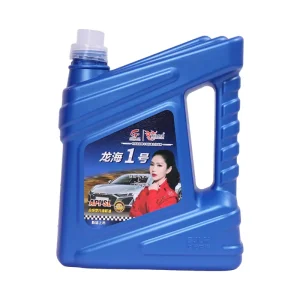
Under its proprietary brand "Century Longhai" alongside its strategic international strategic brand, the British "A Ba" series, the company manufactures an extensive range of products, including heavy-duty diesel engine oils, gasoline engine oils, gear oils, hydraulic transmission fluids, anti-wear hydraulic oils, and specialty industrial oils. Highlighting the company's commitment to reliability, its product lines are backed by quality insurance underwritten by the **PICC (People's Insurance Company of China)**.
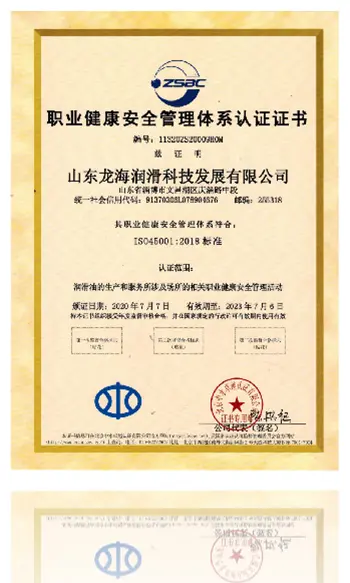
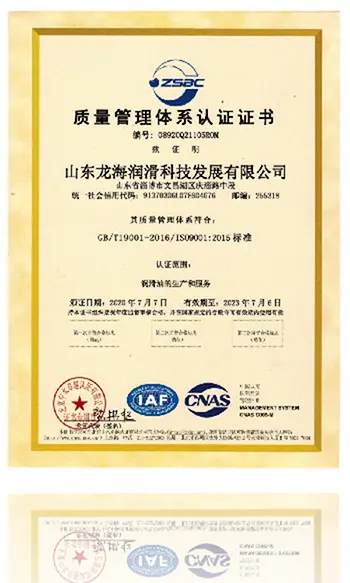
Demonstrating its compliance with international quality frameworks, the company has attained **ISO 9001:2015 Quality Management System Certification**, **ISO 14001:2015 Environmental Management System Certification**, and **ISO 45001:2018 (previously 18001) Occupational Health and Safety Management Certification**. Furthermore, its automatic transmission fluid line has achieved Mercedes-Benz approvals, ensuring products deliver consistent performance under extreme operating conditions.
From R&D Laboratory Synthesis to Global Delivery and Brand Development Support
A significant portion of global industrial buyers require customized formulations. Whether matching technical parameters for specific climate zones (e.g., sub-zero arctic wind turbine operations) or aligning with specific market price brackets, Longhai provides customized formulation development across all lubricant categories.
Detailed consultation to evaluate performance parameters, mechanical systems, and regional climate needs.
Our lab designs a custom chemistry profile choosing targeted base stocks and active additive packages.
Rigorous bench testing (wear scar, viscosity index, oxidation tests) to verify performance targets.
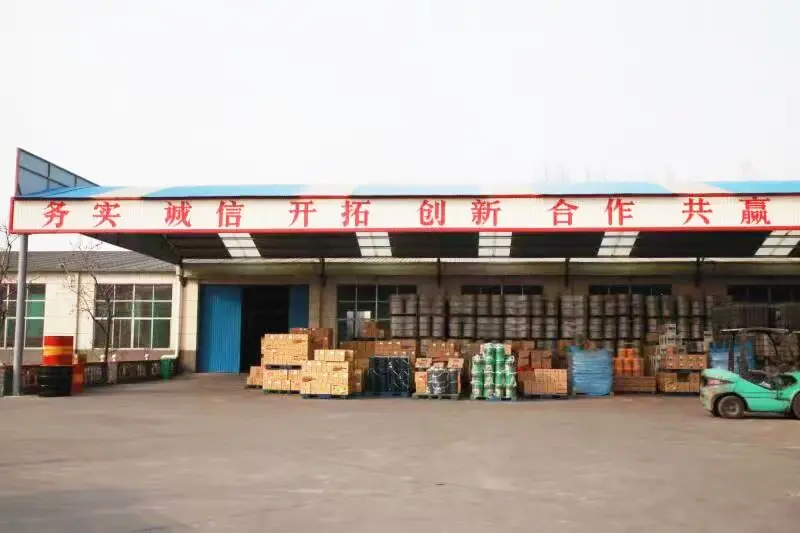
Production scale blending using automated filling lines with 1‰-2‰ metering accuracy.
Final quality certification, packaging, customs clearance, and shipment through global logistics routes.
How Our Gearbox and Transmission Oils Address Specific Operational Challenges Across Global Industries
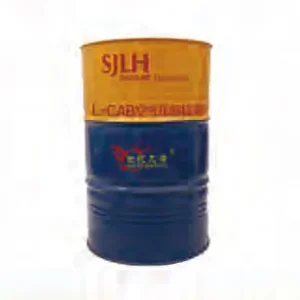
Underground and open-pit mining equipment operates under constant heavy loads, vibration, and dust contamination. Longhai Heavy-Duty Gear Oil and L-CKD industrial gear oil are formulated with robust extreme-pressure additives that prevent gear teeth fatigue and micro-pitting under high shock loads, protecting large gears and reduction units.
Marine gear systems and crane gearboxes operate in humid, high-salt environments prone to water contamination. Our synthetic gear oils feature excellent water separation (demulsibility) properties and rust-prevention additives, ensuring the lubricant retains its integrity and protects metal surfaces even when water is present.
Wind turbine gearboxes are located in remote areas, making maintenance difficult and costly. These units experience variable wind loads and wide temperature swings. Longhai's fully synthetic gear oils provide a high viscosity index and low pour points, enabling cold starts at -40°C while maintaining film thickness at temperatures exceeding 100°C.
Technical Answers from Our Research and Development Engineering Team
L-CKC and L-CKD are standards classification grades for industrial gear lubricants. L-CKC gear oils are formulated for medium-load industrial enclosed gear systems operating under moderate thermal stresses. L-CKD lubricants are designed for heavy-duty applications. They use superior base oils combined with advanced thermal-oxidative stabilizers and extreme pressure (EP) additives. L-CKD oils protect against micro-pitting, gear tooth scuffing, and wear under continuous high-torque and shock-load conditions, offering extended service lifetimes compared to L-CKC oils.
High shear strain within hydraulic pumps and transmission systems can break down viscosity index improver (VII) polymer chains, leading to a drop in viscosity and thin oil films. Longhai's hydraulic transmission fluids use highly shear-stable polymethacrylate (PMA) polymers or advanced synthetic bases. These formulations resist mechanical shearing, ensuring the lubricant maintains its viscosity and protective qualities across wide temperature ranges and operating pressures.
While extended drain intervals are a target, standard maintenance protocols should monitor indicators including: viscosity shift (exceeding +/- 10% from nominal), total acid number (TAN) increases (signaling oxidation and additive depletion), moisture content (above 0.05%), and wear debris levels (monitored via elemental analysis for metals like iron, copper, and tin). Visual indicators include darkening of the oil, foaming, or sludge accumulation in the gearbox sump.
We maintain consistency through our automated DCS (Distributed Control System) blending process. Raw material flows, temperature profiles, and mixing durations are monitored and controlled by automated systems. In addition, our quality control lab tests samples from each batch using Fourier-transform infrared spectroscopy (FTIR) fingerprinting and ICP metals testing to ensure they align with the master formulation specification sheet before packaging.
The underwriting of "Century Longhai" and strategic partner products by the People's Insurance Company of China (PICC) provides an additional layer of financial and operational security. It confirms that our manufacturing and quality control standards meet rigorous third-party auditing criteria. For global distributors and OEM purchasers, this insurance minimizes liability risk, protecting against system failures caused by verified formulation errors.
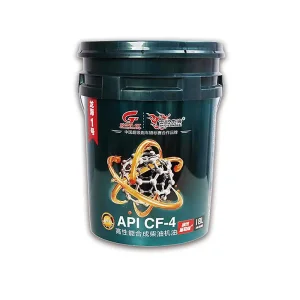
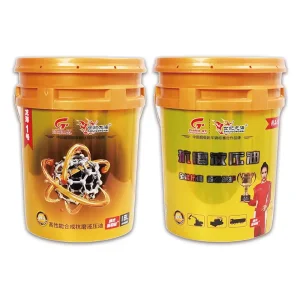
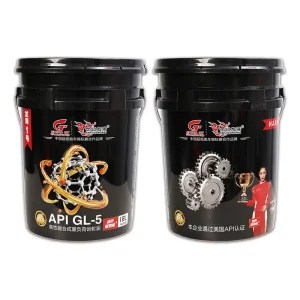
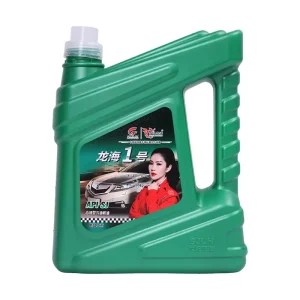
Premium synthetic diesel oils, high-viscosity industrial gear lubricants, and wear-protection fluids for demanding workloads.
 Longhai