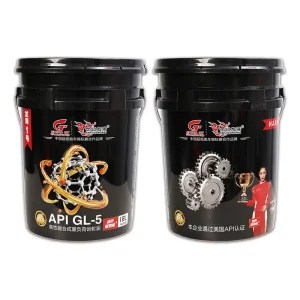
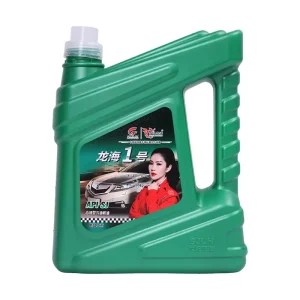
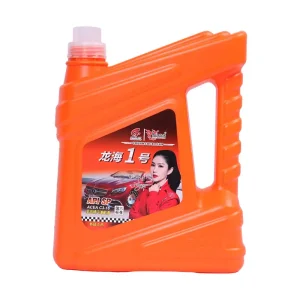
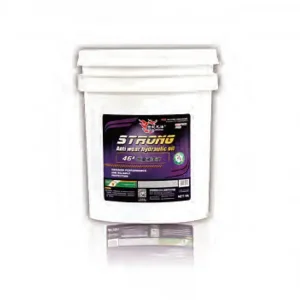
In the modern industrial infrastructure, air and gas compressors serve as the heart of manufacturing, automotive, HVAC, and energy generation systems. Consequently, selecting the optimal compressor lubricant is not merely a task of maintenance; it is a critical operational strategy that determines equipment efficiency, energy consumption, and lifecycle duration. As a premier wholesale compressor oil manufacturer and supplier, we understand that industrial environments present highly challenging thermal dynamics and extreme pressures that standard lubricants cannot survive.
Compressors continuously subject lubricants to high-shear forces, thermal stress, and oxidation triggers. Premium synthetic compressor oils are engineered to address these challenges by providing a robust oil film at elevated temperatures while preventing deposit build-up, sludge, and carbon deposits on discharge valves. The global market is rapidly transitioning towards synthetic lubricants (primarily PAO - Polyalphaolefins and PAG - Polyalkylene Glycols) that deliver up to 8,000 hours of trouble-free operation, significantly reducing downtime and total cost of ownership (TCO).
Our formulation engineering leverages base oils with high natural viscosity indexes and low volatility profiles. This ensures that the lubricating film remains stable across volatile temperature swings. In heavy reciprocating or rotary screw compressors, our specialized thermal-oxidative inhibitors protect the system from varnishing. Furthermore, advanced demulsibility properties allow the oil to separate from condensed water rapidly, preventing internal corrosion and prolonging filter life.
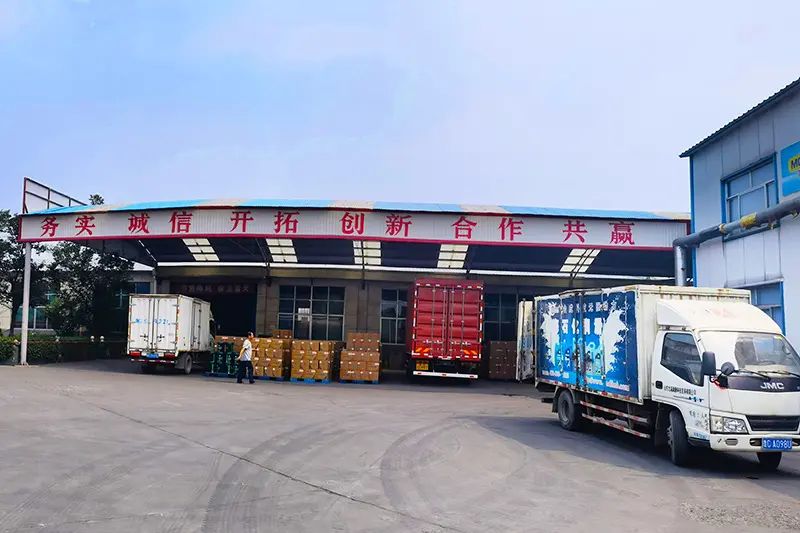
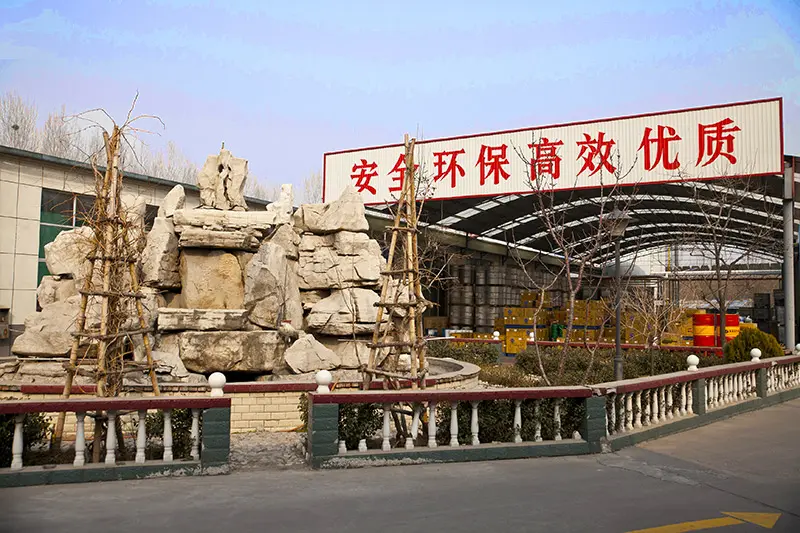
Established in 2009 in Zibo, Shandong, Shandong Longhai Lubrication Technology Development Co., Ltd. has grown into a leading developer of lubrication technologies. With our proprietary brand "Century Longhai" and international strategic collaboration brand British "A Ba", we distribute solutions that comply with international standards. All products are insured by PICC (China People's Insurance Company) for ultimate quality assurance.
Our automated production facilities integrate state-of-the-art volumetric filling equipment. This advanced setup achieves a metering accuracy deviation of 1‰-2‰, ensuring consistency across small canisters to large bulk industrial drums.
Operating out of Zibo, Shandong—a central hub for petrochemical logistics—we benefit from mature upstream feedstock supply chains. This regional integration enables us to provide cost-competitive products to our global partners.
Our digital blending kettles feature automated heat control and fluid dynamics monitoring, boosting manufacturing speeds by 20% to 35% compared to conventional operations. This efficiency allows us to fulfill large-scale orders with short lead times.
We test every batch of oil in our laboratories to verify viscosity index, flash point, demulsibility, and wear protection metrics. Our processes are certified under ISO 9001:2015, ISO 14001, and ISO 45001 standards.
Screw compressors run continuously, subjecting oil to persistent shear stress. Our synthetic formulations reduce wear on rotor lobes, optimize air-oil separation, and help maintain high mechanical efficiency.
Reciprocating piston designs experience high cylinder temperatures that can cause carbon build-up on valves. Our high-temperature resistant oils inhibit carbon deposits, preventing valve leakage and system failures.
Centrifugal units depend on stable, low-viscosity high-speed bearing lubrication. Our customized turbine-grade compressor oils protect precision gears and bearings while preventing varnish formation.
The industrial lubrication sector is experiencing a structural shift driven by automation, smart factory integrations, and tightening environmental standards. Historically, mineral oil-based lubricants dominated industrial operations due to lower entry costs. However, modern high-capacity compressors operate at higher temperatures and pressures, rendering traditional mineral oils obsolete due to rapid oxidation and thermal breakdown.
Leading manufacturers now focus on synthetic formulations, such as Group IV (PAO) and Group V (Ester/PAG) base oils. These synthetics feature natural resistance to viscosity breakdown, low volatility, and minimal vapor pressure, reducing oil consumption and downstream contamination. Additionally, eco-friendly, biodegradable formulations are gaining traction, especially in food processing, pharmaceutical manufacturing, and offshore oil exploration, where environmental contamination risks are strictly monitored.
We engineer fully synthetic, semi-synthetic, and premium hydrocracked mineral formulations tailored to specific vehicle and machinery parameters, target regional climates, and API/ACEA classifications.
Learn moreDemand Analysis

Formula Design
Sample Testing
Production Delivery
After-Sales Support
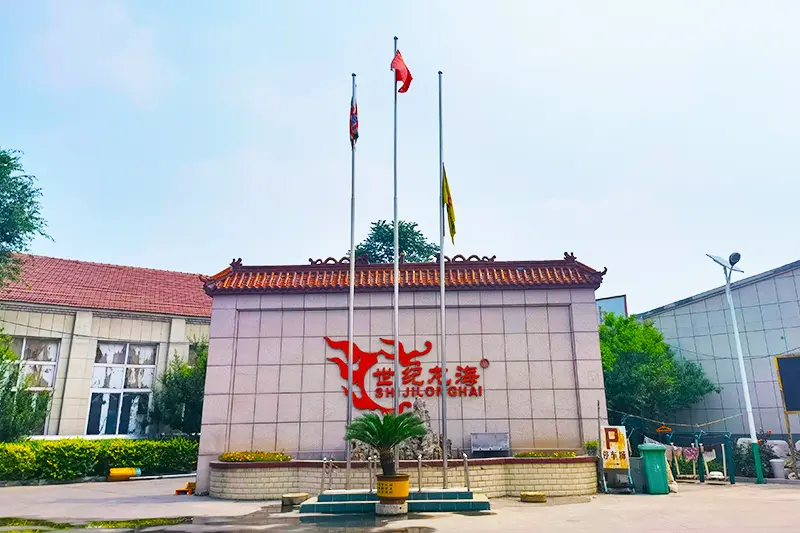


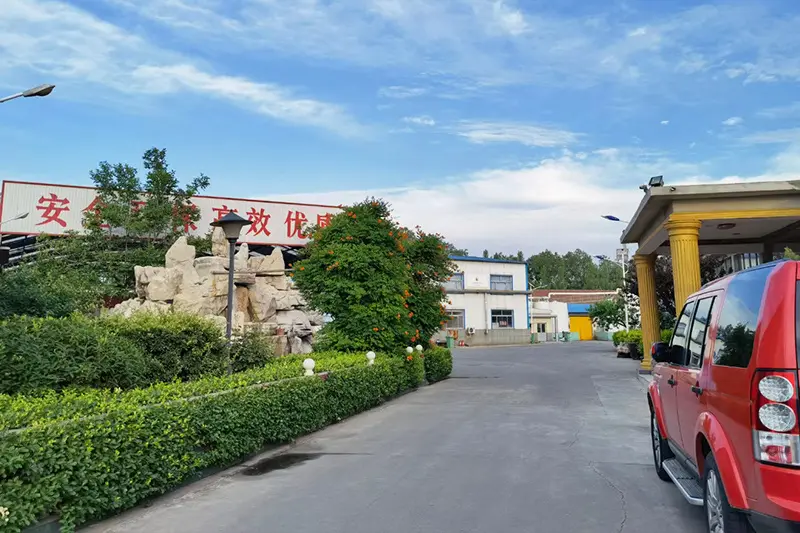
Shandong Longhai Lubrication has obtained ISO-9001-2015 Quality Management System Certification, ISO 14001 Environmental Management System Certification, and ISO 45001/18001 Health Management Certification, alongside official Mercedes-Benz automatic transmission fluid approvals.
Synthetic compressor oils (primarily PAO/PAG based) provide higher thermal-oxidative stability, lower volatility, and a higher viscosity index compared to traditional mineral oils. While mineral lubricants typically require replacement after 1,000 to 2,000 hours of operation, synthetic formulations can extend oil drain intervals up to 8,000 hours, lowering overall equipment maintenance costs.
Demulsibility refers to the oil's ability to separate from water. Air compressors generate significant condensation from moisture in the air. High demulsibility prevents the oil from emulsifying with this water, ensuring the oil maintains its lubricating properties, protects components from rust, and allows water to be easily drained from the system.
Viscosity selection depends on the compressor type and operating conditions. Rotary screw compressors typically use ISO VG 32 or ISO VG 46 oils to ensure rapid heat dissipation and low starting resistance. Reciprocating piston compressors generate higher friction pressures, typically requiring a heavier ISO VG 68 or ISO VG 100 oil to maintain film thickness at elevated temperatures. Always refer to your OEM specifications first.
Mixing different compressor oils is not recommended. Different oils utilize incompatible additive systems or base chemistries (such as PAG and PAO), which can react to form sludge, varnish, or acid. This can clog filters, restrict oil flow, and potentially cause compressor failure. A complete system flush is recommended when changing to a new oil formulation.
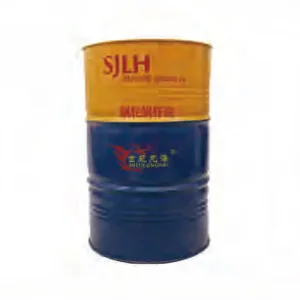
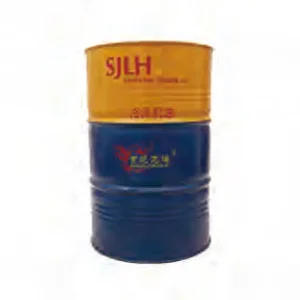
Our production base features intelligent filling systems that utilize volumetric metering technology. This achieves a filling accuracy tolerance within 1‰ to 2‰. By pairing automated processes with rigorous batch testing in our laboratory, we ensure that every drum of oil meets international performance standards before shipment.
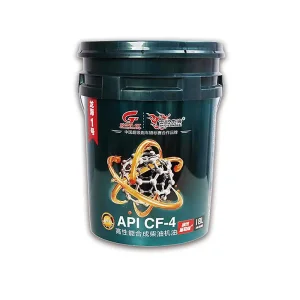
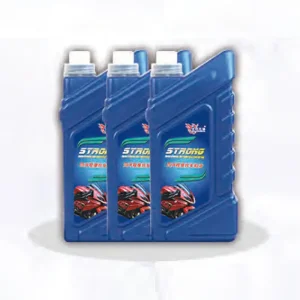
 Longhai