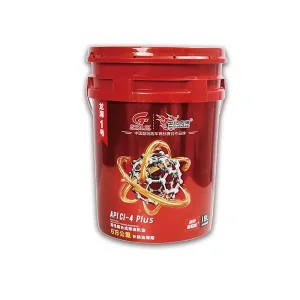
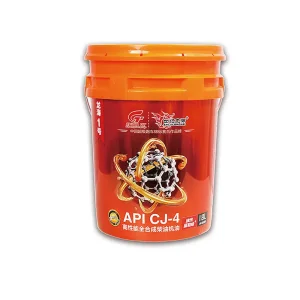
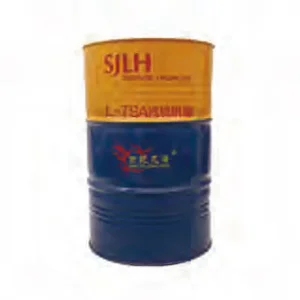
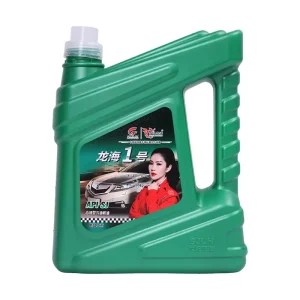
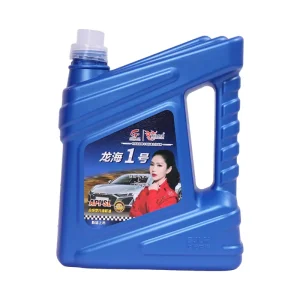
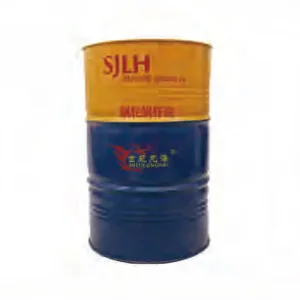
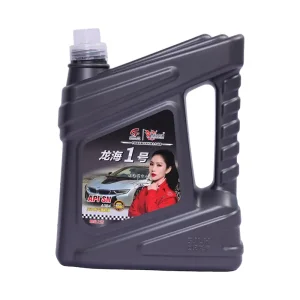
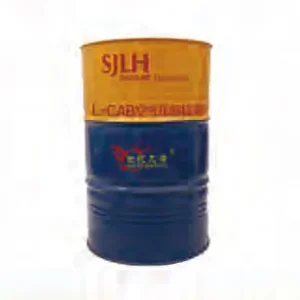
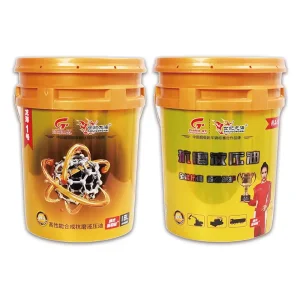
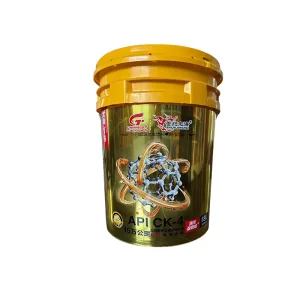
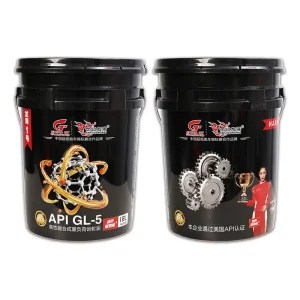
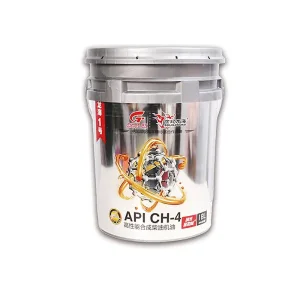
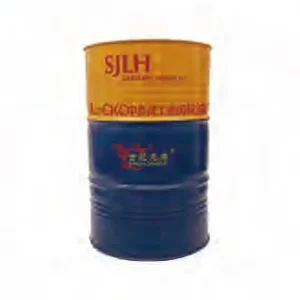
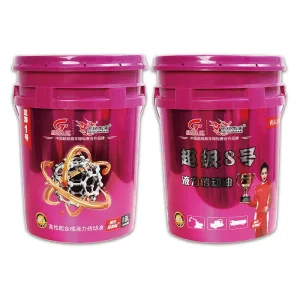
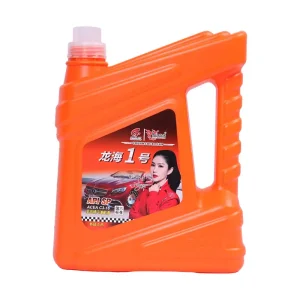
High-efficiency, fully certified formulations engineered for modern gasoline engines, industrial gears, and advanced compressor systems.
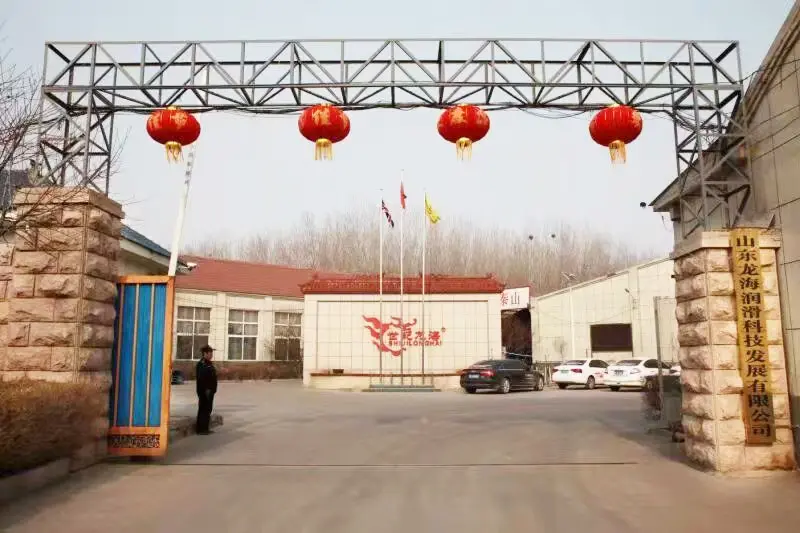
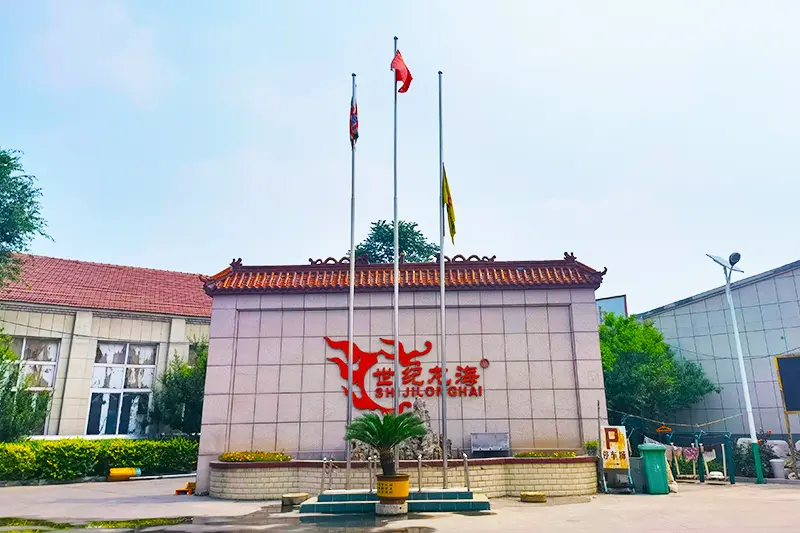
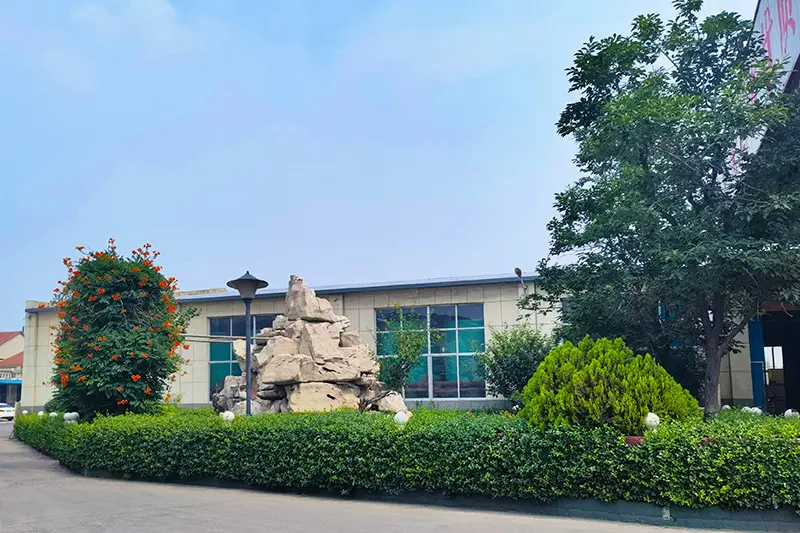
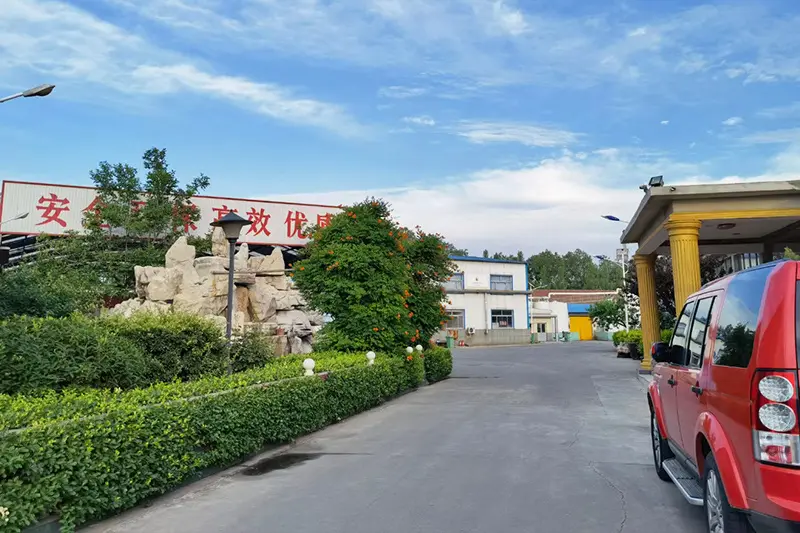
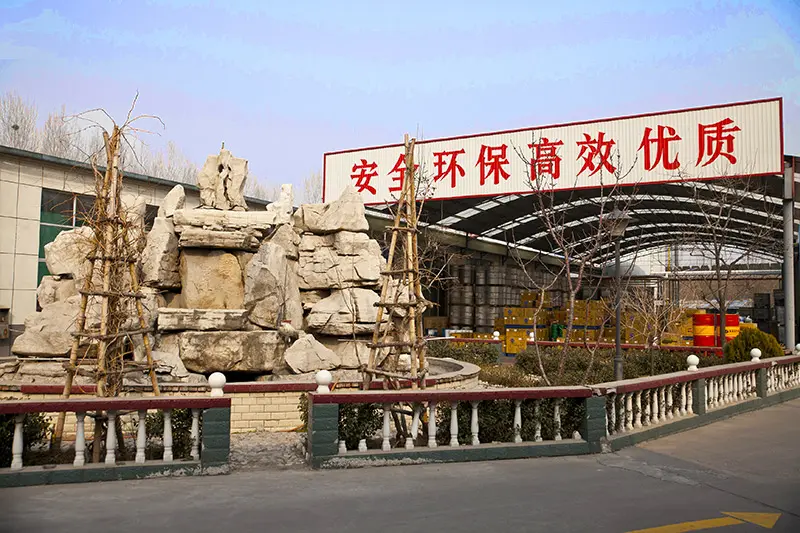
Established in 2009 and headquartered in the industrial hub of Zibo, Shandong, Shandong Longhai Lubrication Technology Development Co., Ltd. is a state-recognized high-tech enterprise integrating R&D, precision manufacturing, and international trade. Over 15 years, we have built a fully integrated lubrication ecosystem dedicated to solving extreme tribological challenges for industrial sectors and modern transportation networks.
We manage our premier domestic brand "Century Longhai" and maintain a deep strategic collaboration with the prestigious British brand "A Ba" series. Our product envelope encompasses diesel engine oils, high-performance gasoline lubricants, industrial gear oils, hydraulic transmission fluids, turbine oils, and eco-friendly automotive fluids like urea and antifreeze. Backed by PICC China People's Insurance Company, our quality assurance guarantees that every drop delivered meets rigid global benchmarks.
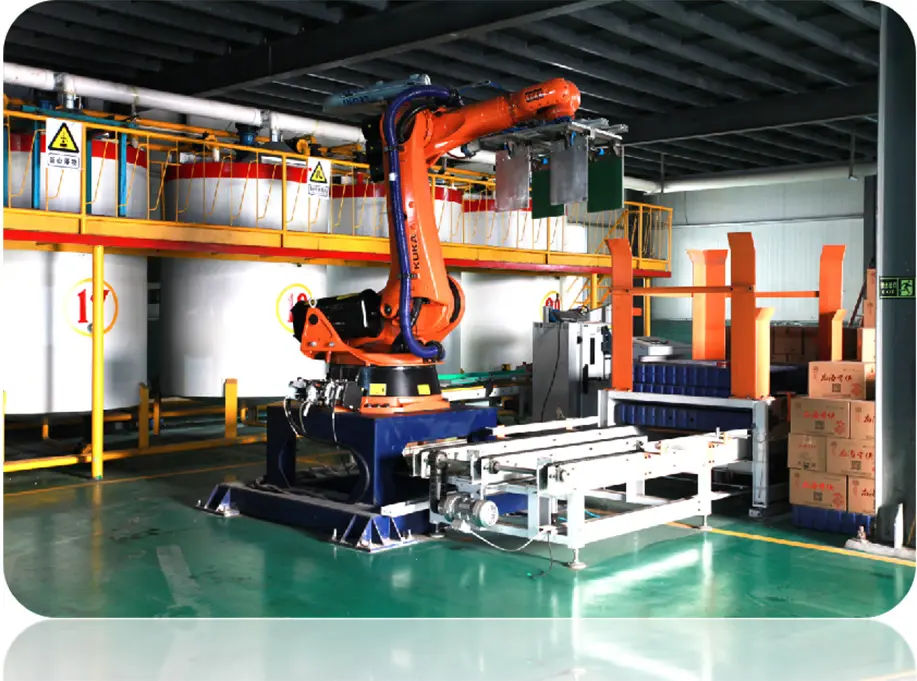
The science of transmission optimization: addressing high shear forces, thermal degradation, and the paradigm shift toward synthetics.
Modern gearboxes demand shifting away from conventional Group I and II base oils toward Group III hydrocracked, Polyalphaolefin (PAO), and synthetic esters. This shift ensures exceptional Viscosity Index (VI) metrics, keeping low-temperature startup fluid while preserving film thickness at operational temperatures exceeding 120°C.
Using proprietary sulfur-phosphorus chemistry, our gear oil formulations form a micro-crystalline sacrificial protective layer under boundary lubrication. This chemically active layer minimizes metallic contact under high shock loads, preventing micropitting, scuffing, and fatigue-induced gear face pitting.
Traditional viscosity index improvers are prone to mechanical shear under gear meshing pressures. Longhai uses ultra-shear-stable polymer chemistry to guarantee zero permanent viscosity loss. It retains its protective film even in high-load, high-torque industrial applications over long drainage intervals.
In the automotive and industrial sectors, the demand for compact, higher-torque gearboxes has led to higher operational temperatures and narrower clearances. Our R&D department anticipates these challenges. We focus on developing specialized lubricants with exceptional oxidation stability to resist sludge formation, and excellent demulsibility to rapidly separate water in marine or high-humidity operations. This prevents oil film failure and catastrophic gear damage.
Customized lubrication engineering for heavy industrial operations, automotive fleets, and high-performance machinery.
Heavy machinery operates in dusty, high-load, and continuous duty cycles. We provide industrial gear oils like our L-CKC and L-CKD heavy-duty series, designed to withstand continuous shock loads. These formulations prevent abrasive wear from dust and contamination, reducing gearbox replacement costs and unscheduled downtime.
Wind turbine gearboxes operate in remote locations with extreme temperature swings and high load variability. Longhai's synthetic worm and helical gear oils provide excellent micropitting protection and low-temperature fluidity, extending service intervals to up to 5-7 years, lowering operation and maintenance (O&M) costs.
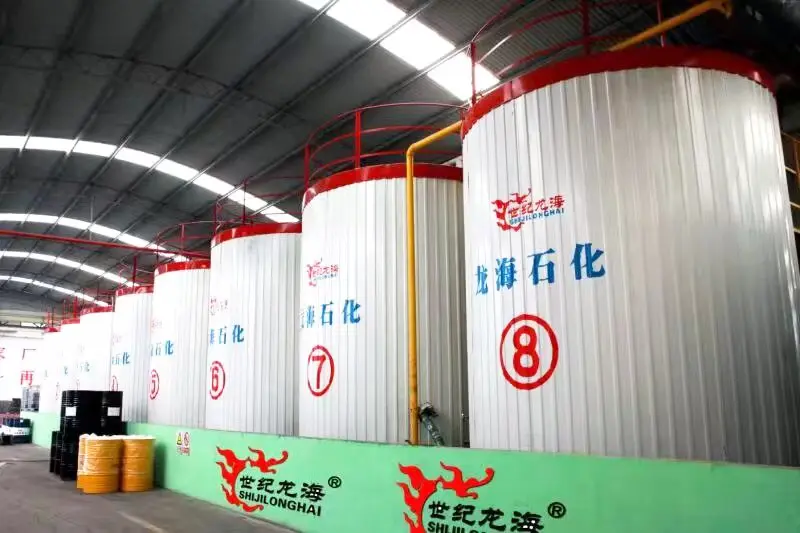
For fleet managers and automotive OEMs, transmission oils must reduce frictional losses while protecting hypoid gears. Our synthetic automotive transmission fluids (ATF) and GL-5 class gear oils optimize fuel efficiency and gear shifting. This protection remains reliable under cold startup conditions down to -40°C.
In high-speed assembly and air-compressor plants, lubricant oxidation and varnish deposits can disrupt control valves and reduce cooling efficiency. Our high-efficiency air compressor oils and turbine oils maintain clean system components, resist thermal degradation, and optimize heat transfer across system coolers.
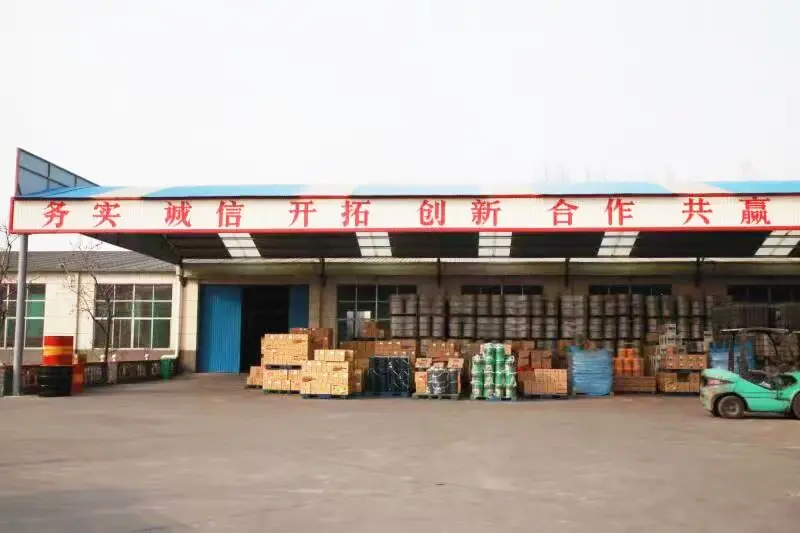
A data-driven overview of our production capacity, technological investment, and global footprint.
How our smart blending plant in Zibo guarantees quality consistency and secure deliveries globally.
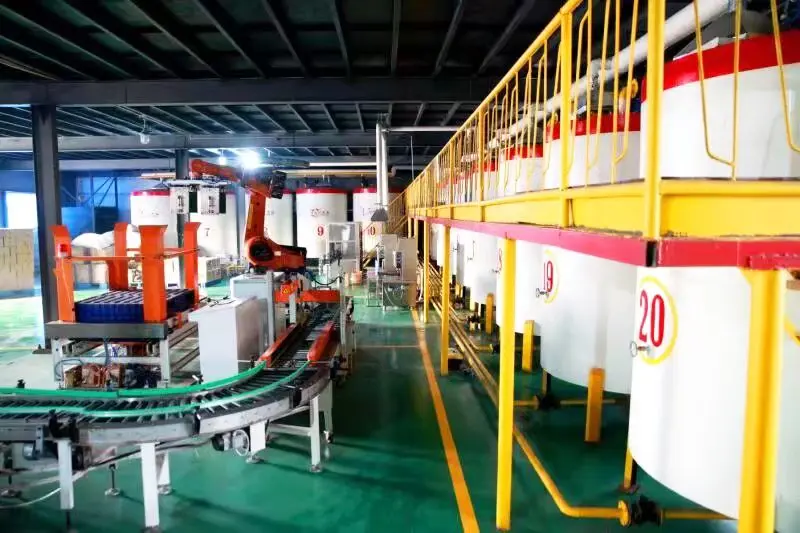
At our Zibo production hub, we use fully automated blending systems controlled by advanced PLC platforms. This setup ensures precise raw material dosing, maintaining consistent quality across batches. By automating base oil metering, additive blending, and temperature controls, we minimize human error and ensure that every batch of gear oil aligns with technical data sheet (TDS) parameters.
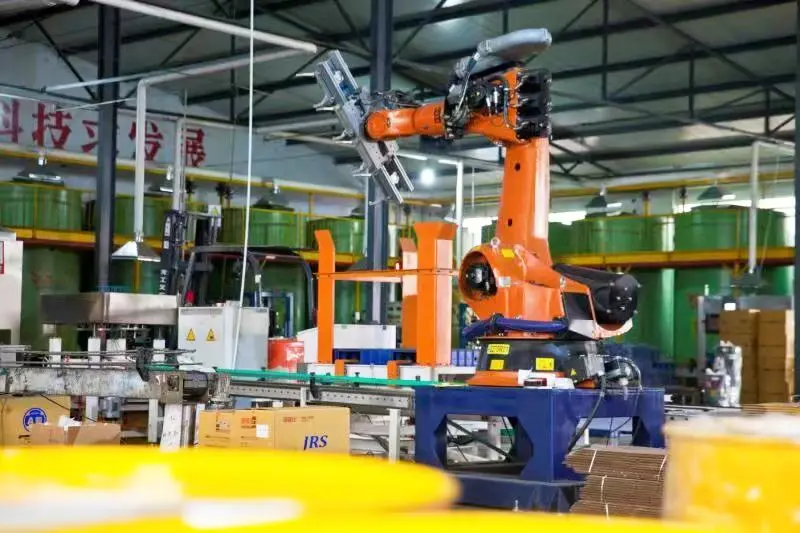
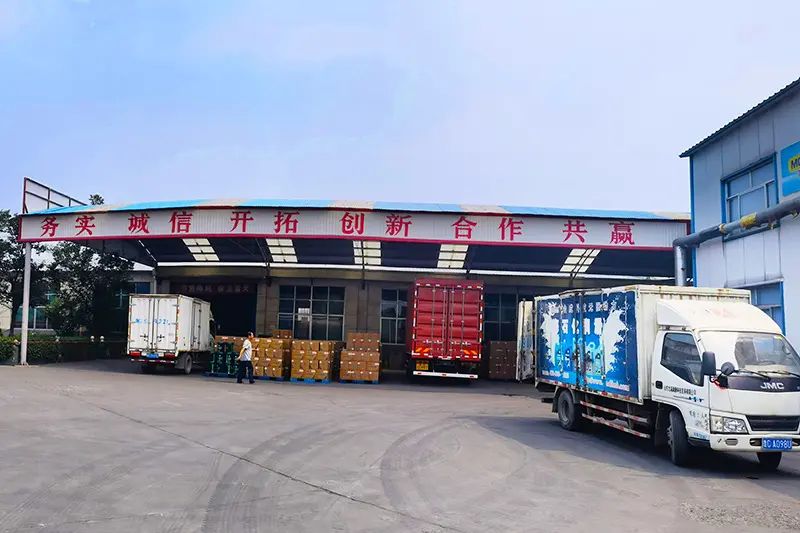
Our packaging facilities utilize automated filling systems that operate on metering filling principles. This technology guarantees a filling accuracy tolerance of 1‰ to 2‰. The system also increases filling speed by 20% to 35% compared to traditional volumetric fillers, allowing us to manage large bulk wholesale orders quickly and support short supply chain lead times.
In addition, our strategic location in Shandong offers access to direct shipping lanes, rail infrastructure, and local raw materials. We maintain buffer reserves of high-quality synthetic base stocks (Group III, PAO) and additives from global suppliers, protecting our production from raw material shortages or shipping delays.
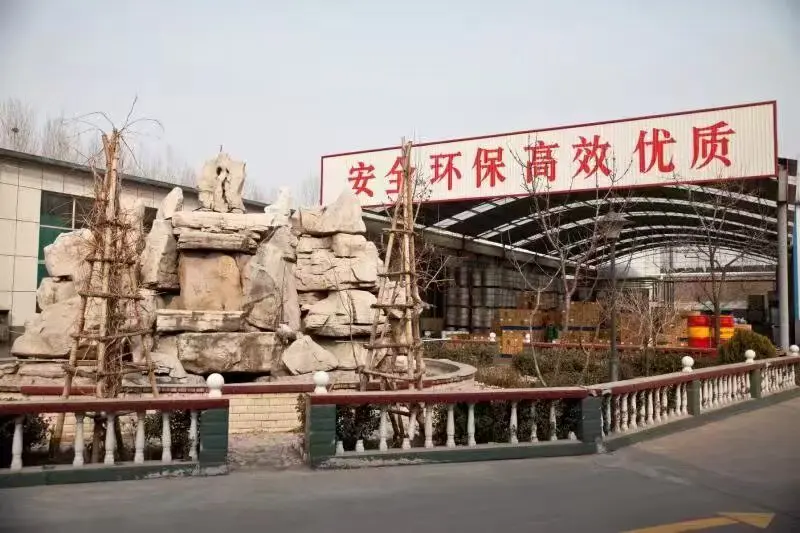
Raw Materials Storage
PLC Central Control Hub
Precision Packaging Line
Batch Verification Laboratory
Collaborating with global enterprises to formulate and package custom industrial and automotive lubricants.
Custom Formulations
Flexible Production
Full Qualification
Value-Added Services
We develop fully synthetic and semi-synthetic lubricant formulations tailored to specific vehicle and equipment requirements, local climatic conditions, or regional market positioning. Our engineering team designs lubricants that meet international specifications, including API, ACEA, and custom OEM standards.
Learn More
We review your operational requirements, viscosity grade, API standards, and target costs.
Our lab designs a custom formulation using selected base stocks and additive packages.
We run laboratory evaluations, including FZG scuffing tests, shear tests, and ASTM corrosion tests.
We scale up production using automated blending systems and package to your specifications.
We provide ongoing technical consulting, fluid analysis programs, and regular batch verification support.
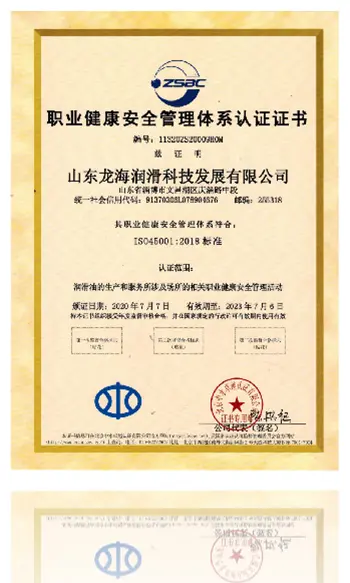
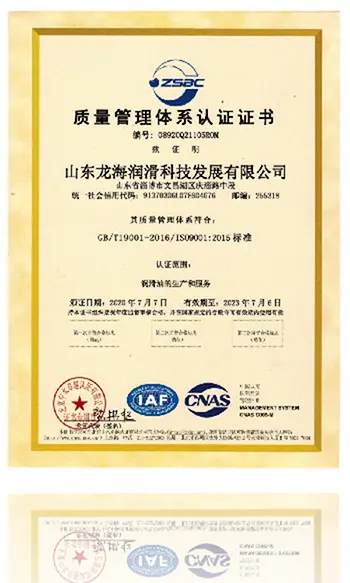
Consistency is critical in industrial lubrication. Shandong Longhai maintains strict quality, safety, and environmental standards. We hold international management certifications including ISO 9001:2015 (Quality Management), ISO 14001:2015 (Environmental Management), and ISO 45001:2018 (Occupational Health & Safety).
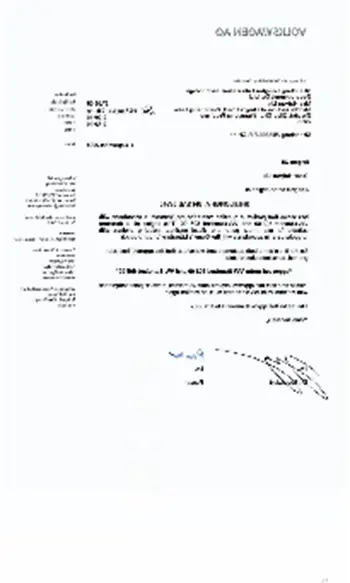
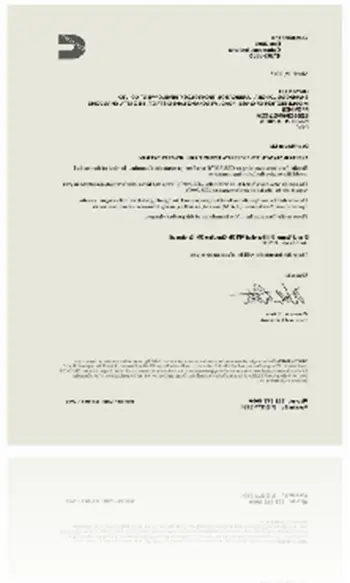
Additionally, our automatic transmission fluids hold official Mercedes-Benz approvals, demonstrating our capability to meet precise OEM criteria. We provide complete documentation for global buyers, including Material Safety Data Sheets (MSDS), Technical Data Sheets (TDS), and certification of origin documents to ensure smooth customs clearance.
Investing in advanced laboratory testing equipment to support our formulation development and quality control programs.
Viscometric Testing Station
Elemental Emission Spectrometer
High-Temperature Oxidation Tester
Automatic Pour Point Analyzer
Shear Stability Test Station
Micro-Carbon Residue Tester
Key technical specifications and criteria for evaluating wholesale industrial lubricant suppliers.
When sourcing gear oils in bulk, look beyond price per liter. Substandard base stocks or weak additive packages can lead to premature gear failure and unexpected downtime. Consider these key technical factors during evaluation:
Our laboratory in Zibo tests each batch against these benchmarks, and we provide certified quality reports with every shipment. We also assist partners in choosing the correct packaging format—such as standard drums or bulk 1000L IBC containers—to optimize storage space and logistics costs.
Answers to common technical, logistics, and customization questions from procurement teams.
Advanced fluids engineered for heavy-duty engines, hydraulic transmissions, and refrigeration systems.
 Longhai