Explore our highly-engineered commercial formulations designed to optimize thermal efficiency and minimize gear friction.
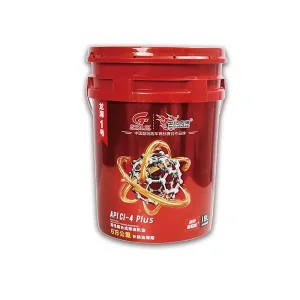
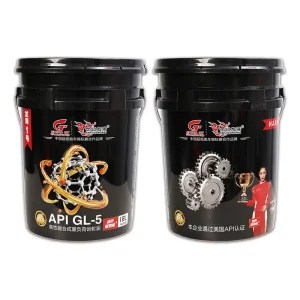
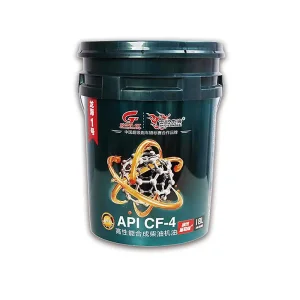
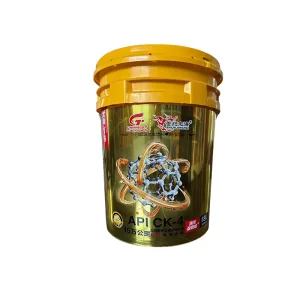
Modern freight logistics networks require heavy-duty transport vehicles to run farther, carry heavier loads, and spend less time in workshops. As truck powertrain technologies evolve, the workload placed upon heavy-duty differentials has increased dramatically. Downsized, turbocharged diesel engines and advanced multi-speed drivetrains feed immense torque directly into hypoid-type rear axles.
The global heavy commercial vehicle market is transitioning rapidly toward low-viscosity synthetic oils (e.g., 75W-85, 75W-90) to improve driveline efficiency. Traditional 80W-90 formulations, while adequate for legacy equipment, introduce parasitic drag. Shifting to advanced base oils enables significant fuel cost savings for logistics fleets while minimizing component wear.
Choosing high-performance gear oils reduces total cost of ownership by extending drain intervals up to 120,000 km, reducing fuel consumption by 1.5%, and mitigating unexpected differential failures.
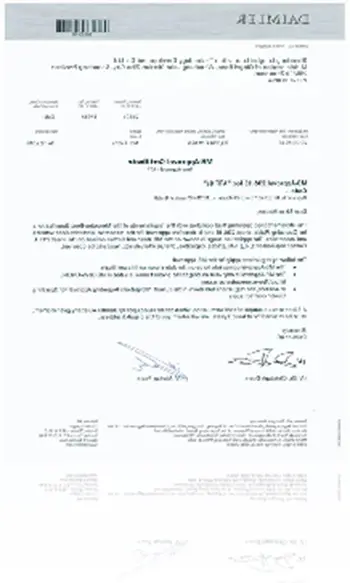
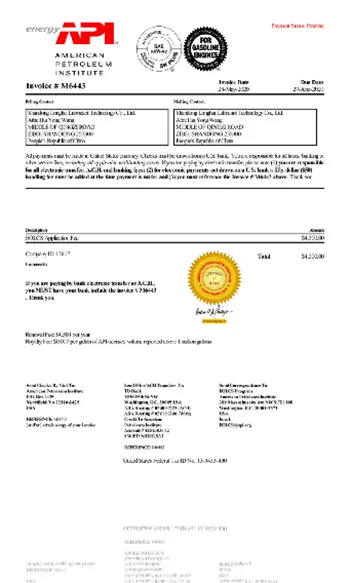
Our gear oils comply with rigorous international standards including API GL-5, SAE J2360, MIL-PRF-2105E, and hold certifications from leading global commercial manufacturers like Mercedes-Benz.
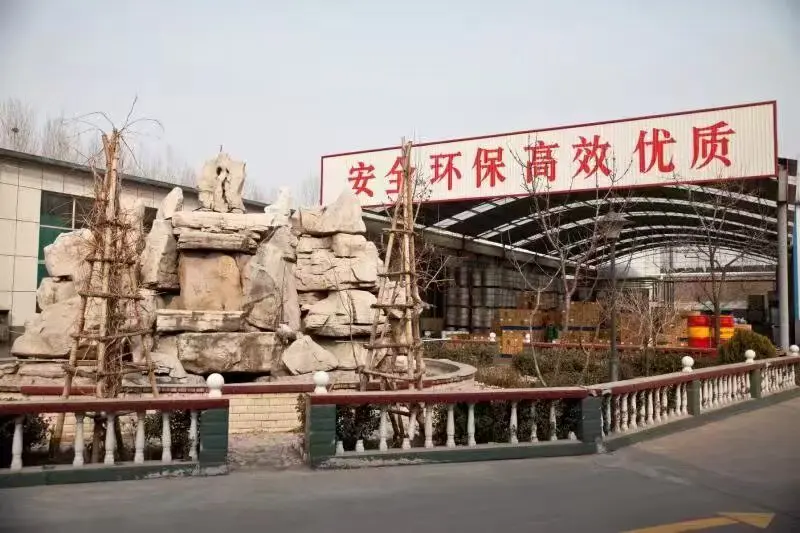
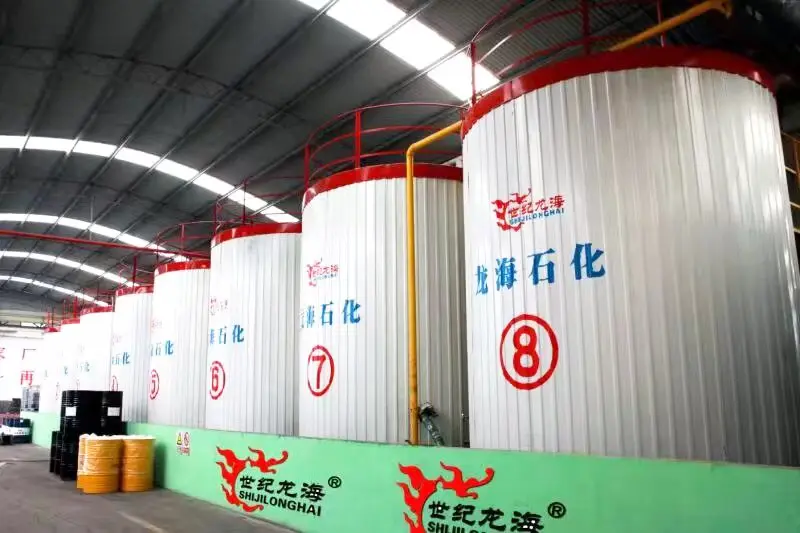
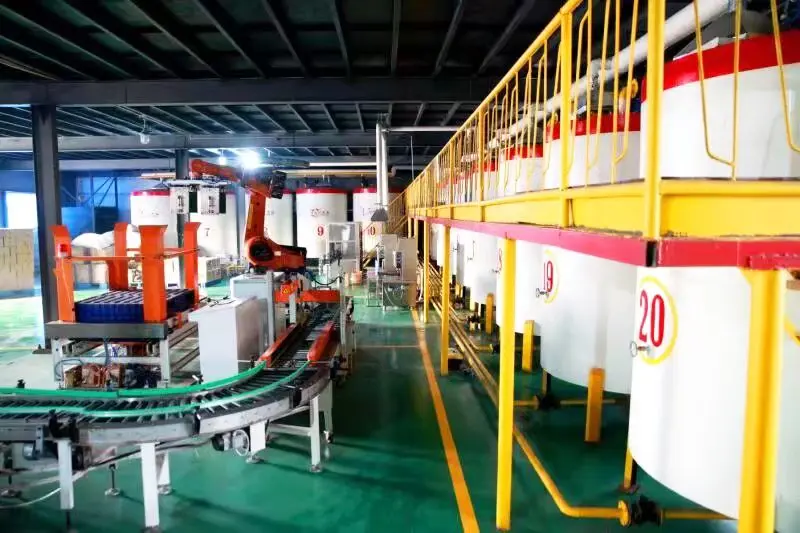
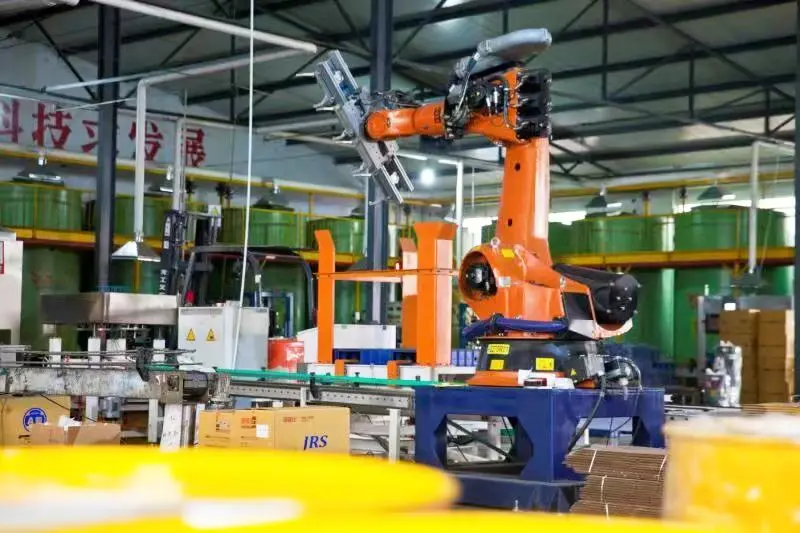
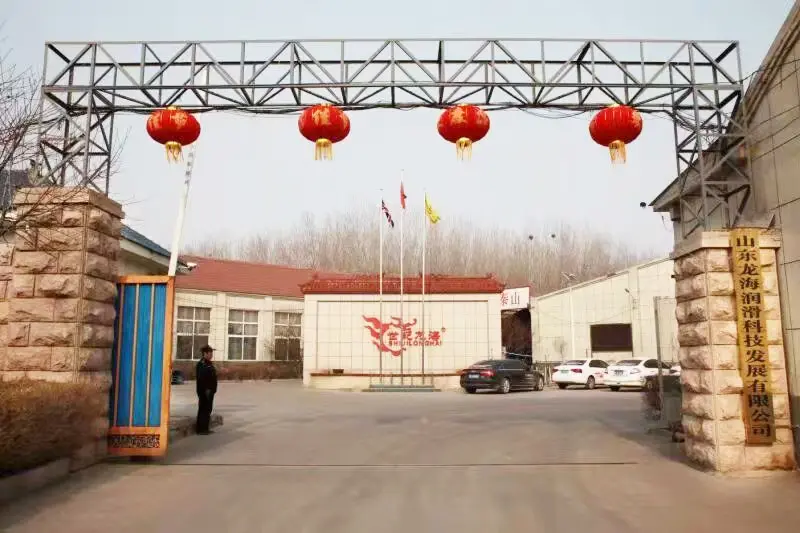
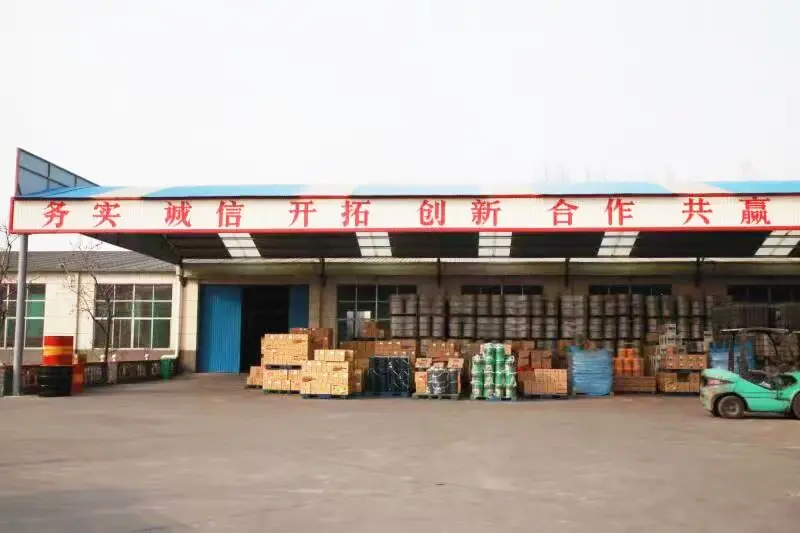
Shandong Longhai Lubrication Technology Development Co., Ltd. was established in 2009 and is headquartered in Zibo, Shandong.
We are a recognized high-tech enterprise integrating premium research and development, smart production, and global commercial sales. Over more than 15 years of deep industry immersion, we have built a complete industrial chain system. This system is optimized to deliver superior, high-stability lubrication solutions for heavy transport networks, heavy-duty mining machinery, and industrial plants worldwide.
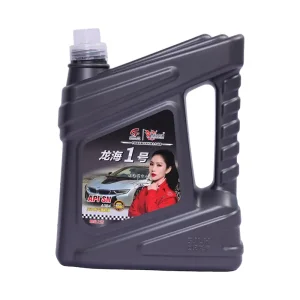
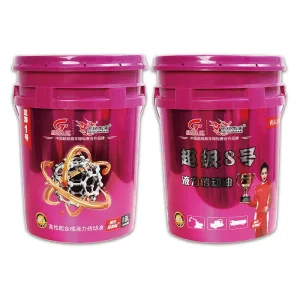
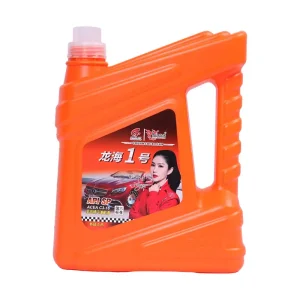
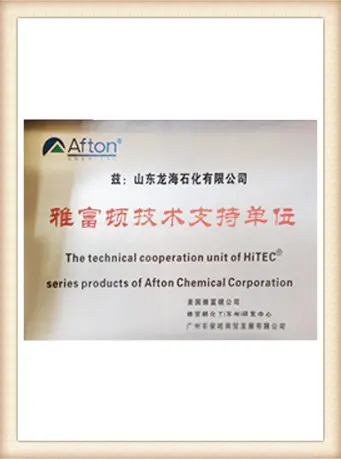
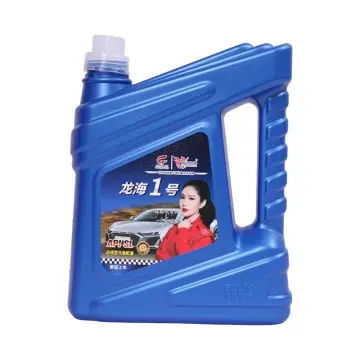
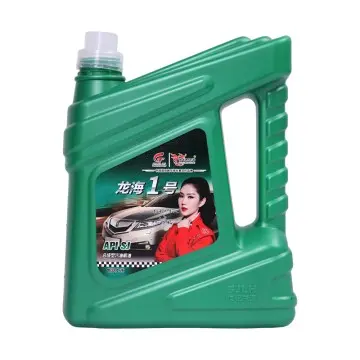
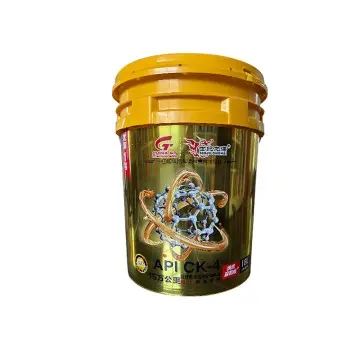
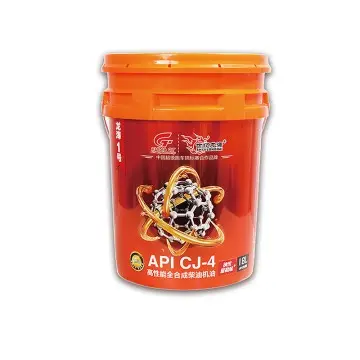
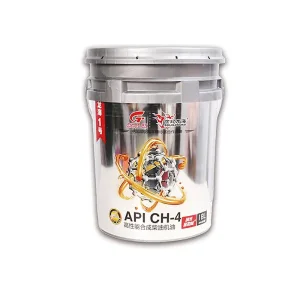
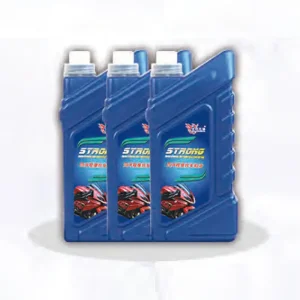
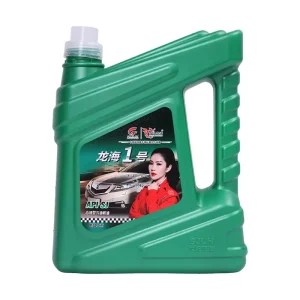
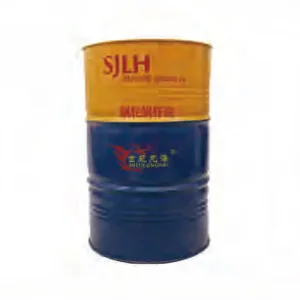
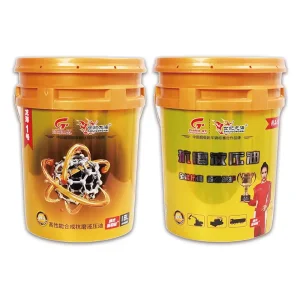
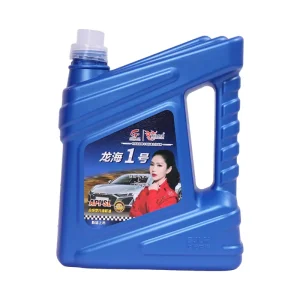
Our core domestic line operates under the "Century Longhai" brand, alongside our strategic international cooperation line under the British "A Ba" series. Our comprehensive catalog ranges from API CK-4 diesel oils, high-speed gasoline motor oils, specialized anti-wear hydraulic oils, and refrigeration fluids, to automotive urea solutions, glycol-based antifreezes, and high-performance synthetic gear oils. To ensure maximum reliability for fleet managers and commercial buyers, our products are backed by product liability insurance from PICC (China People's Insurance Company).
Acre Production Hub
Tons Annual Capacity
Filling Precision Margin
Cities Serviced Internationally
How we ensure product consistency and rapid delivery times for global distributors and OEMs.
Longhai invests over 5% of its annual revenues into internal research labs and academic partnerships, optimizing molecule stability and additive chemical packages for modern drivetrains.
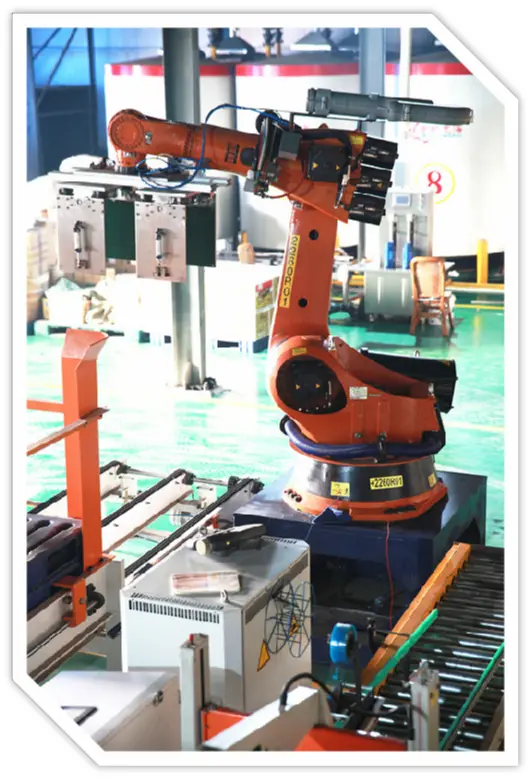
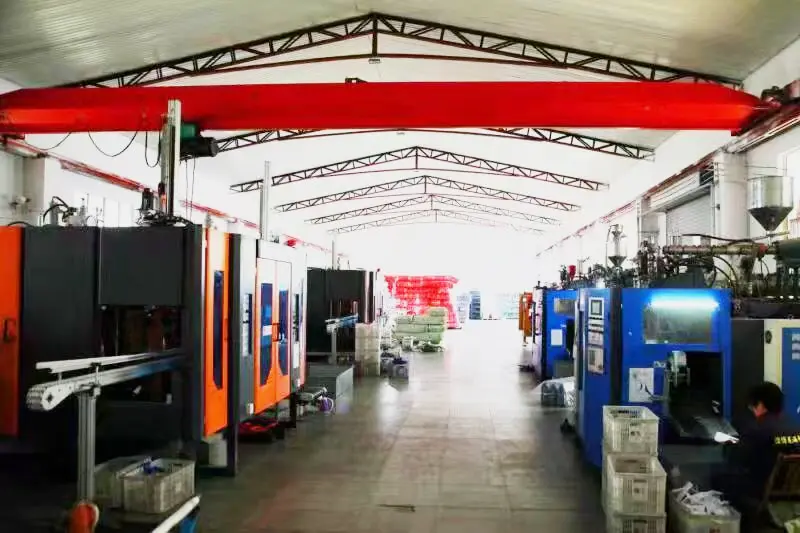
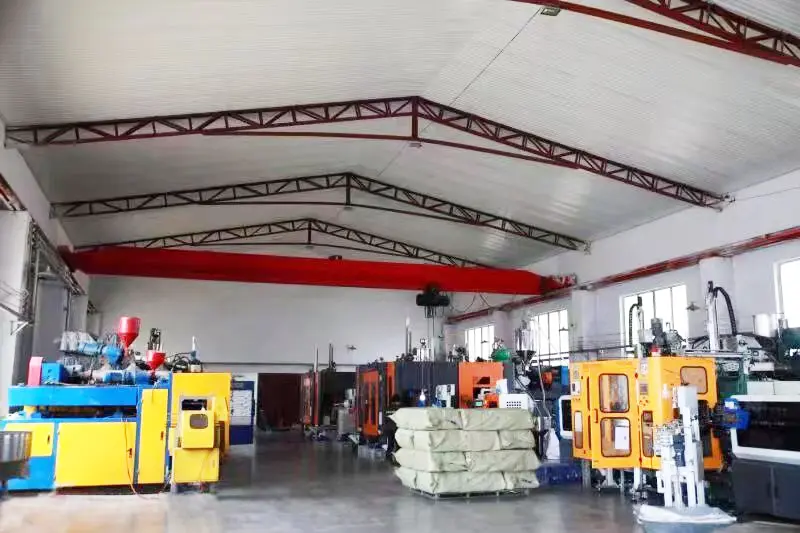
Our smart blending and filling plant runs metering lines that maintain a filling precision within 1‰ to 2‰. This increases packaging throughput by 20% to 35% and guarantees fast lead times.
Supported by a comprehensive supply chain, our products serve logistics hubs in 29 provinces and are exported globally to heavy machinery fleets, OEMs, and mining conglomerates.
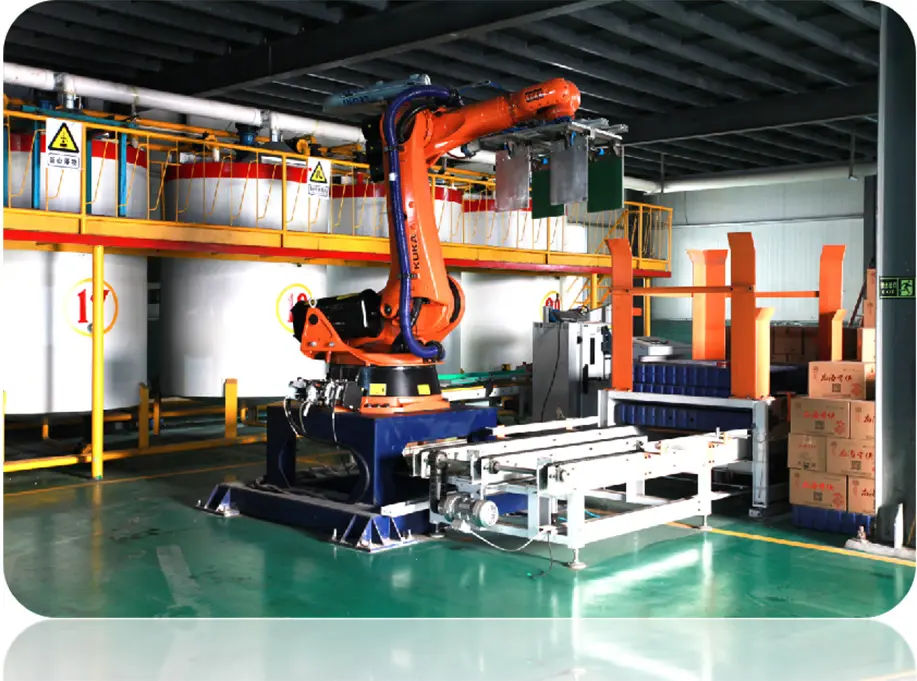
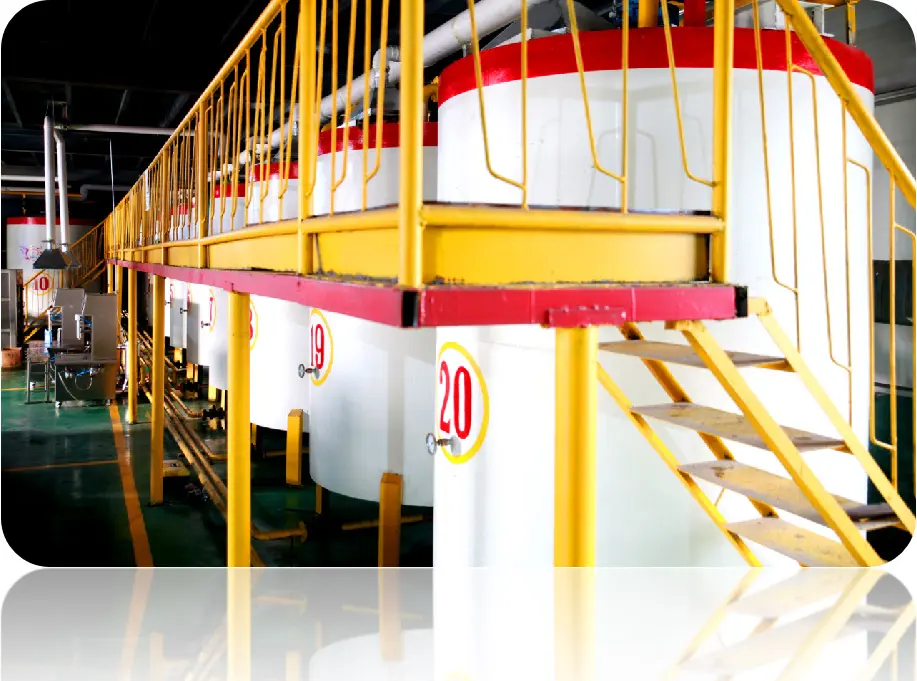
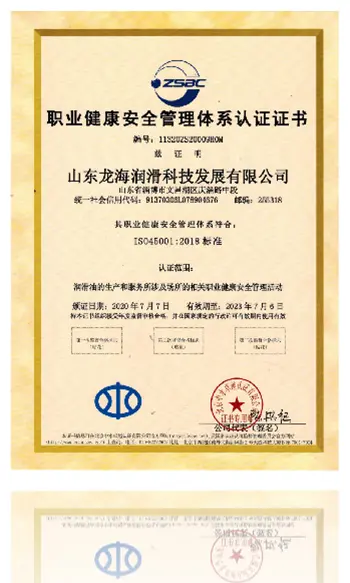
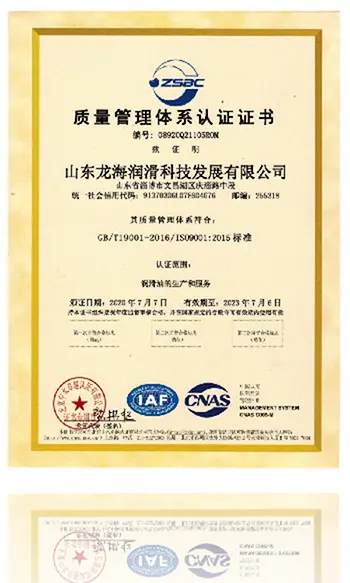
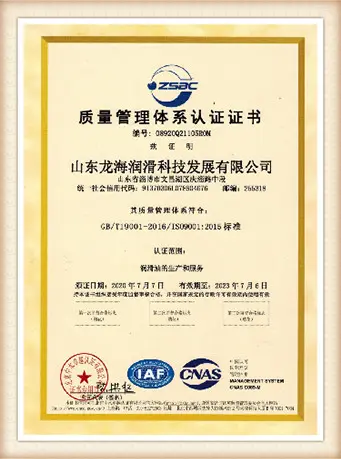
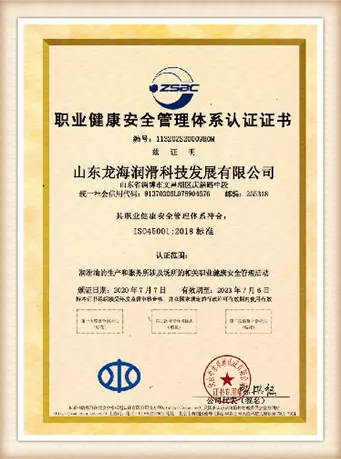
Our manufacturing sites operate under international management frameworks and certifications.
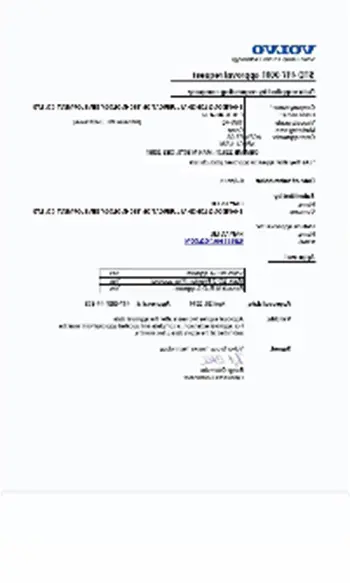
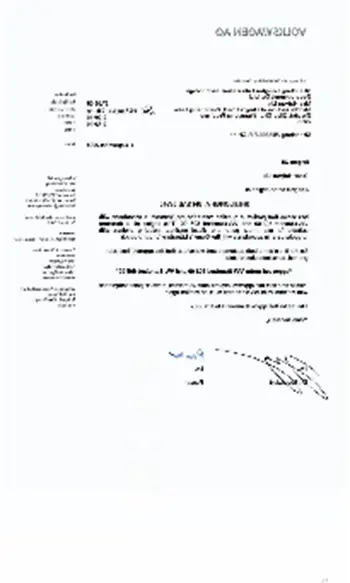
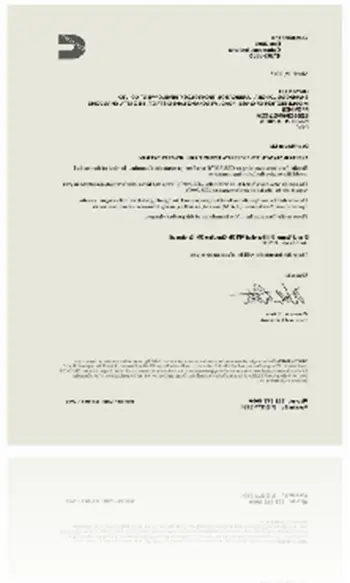
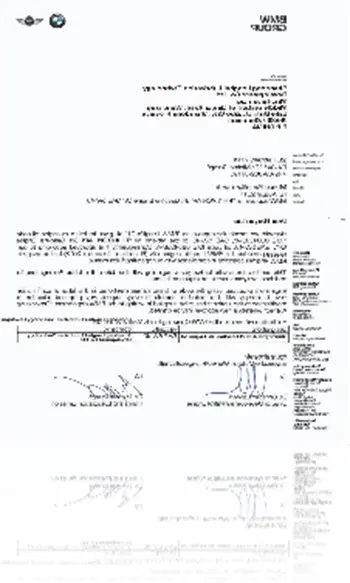
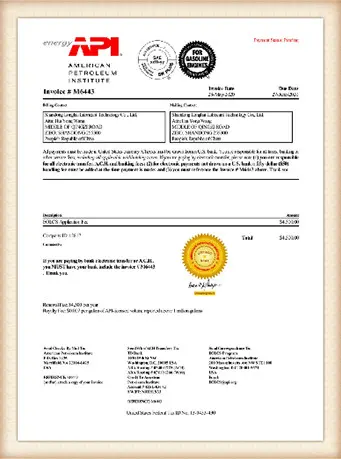
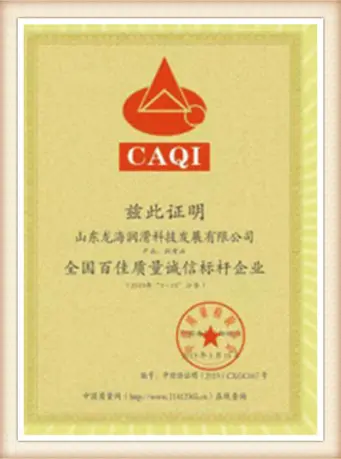
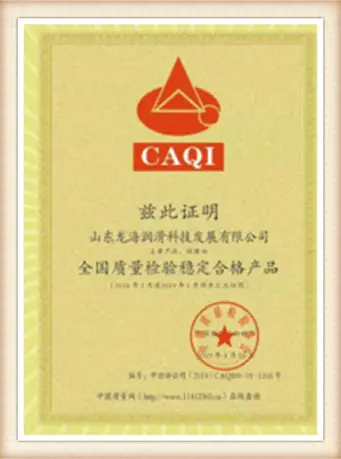
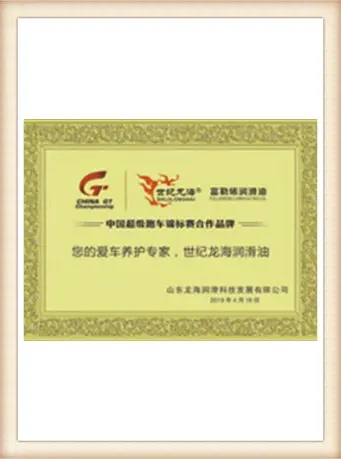
Shandong Longhai has achieved certifications for ISO 9001:2015 (Quality Management System), ISO 14001:2015 (Environmental Management System), and ISO 45001/18001 (Occupational Health and Safety). Our formulations carry prestige certifications, including approvals from Mercedes-Benz, validating reliability under high thermal loads and extreme shear forces.
From initial laboratory testing to bulk product delivery, we develop customized lubricants to fit your machinery.
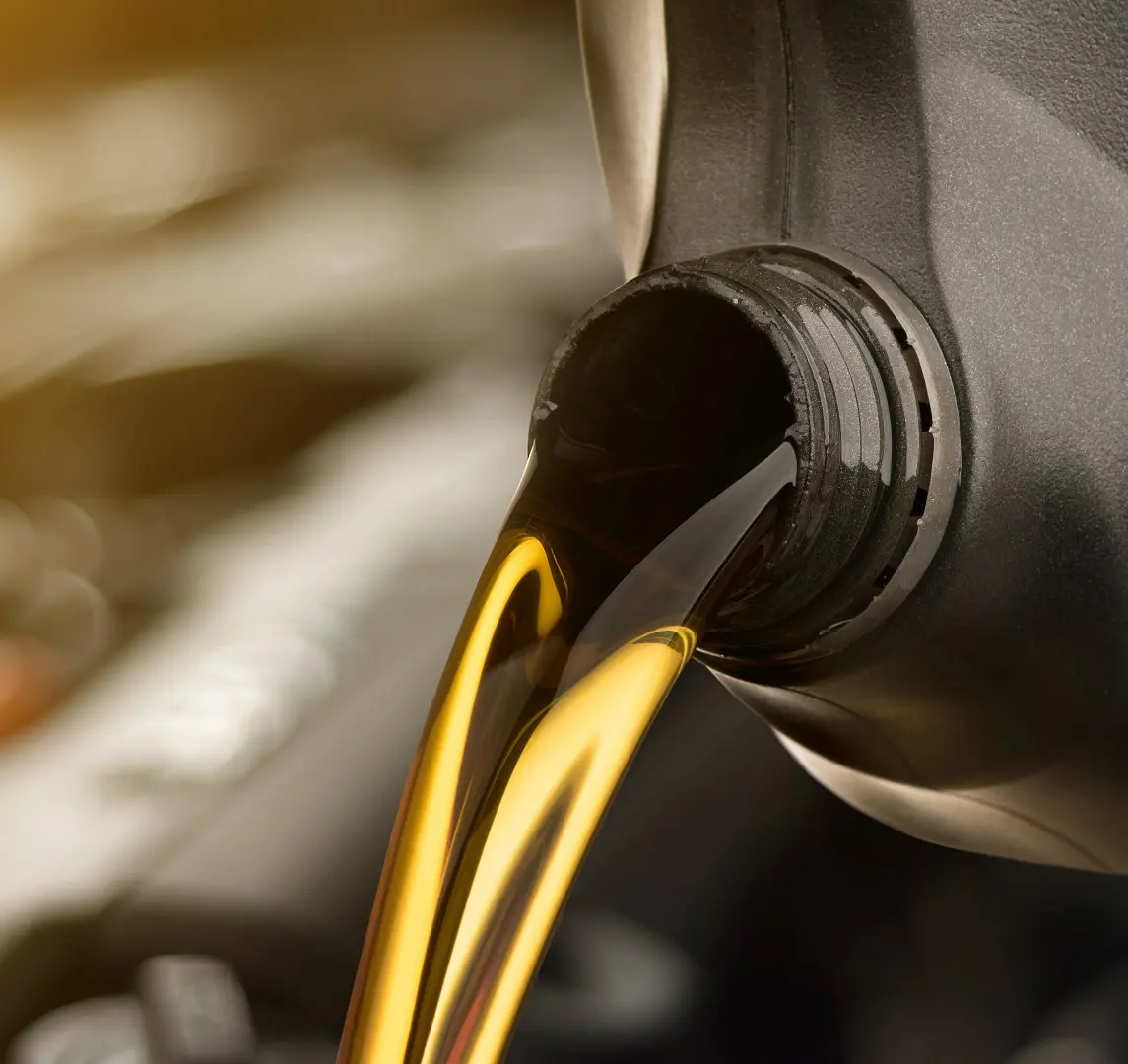
Fully synthetic and semi-synthetic lubricant formulations tailored to specific vehicle/equipment requirements, ambient operating climates, and targeted API/ACEA specifications.
Supports production volumes from trial batches to large-scale supply contracts, covering engine oils, transmission fluids, and heavy-duty gear lubricants with customizable packaging.
Every batch is verified in our labs under ISO 9001 and IATF 16949 standards, providing third-party testing certification to meet import and commercial regulations.
We assist with container design, label graphics, and international documentation, helping distributors build high-value brand equity in local markets.
How we work together, from initial consultation to long-term supply and technical support.
1. Demand Analysis

2. Formula Customization
3. Laboratory Testing
4. Fast Logistics Delivery
5. Ongoing Tech Support
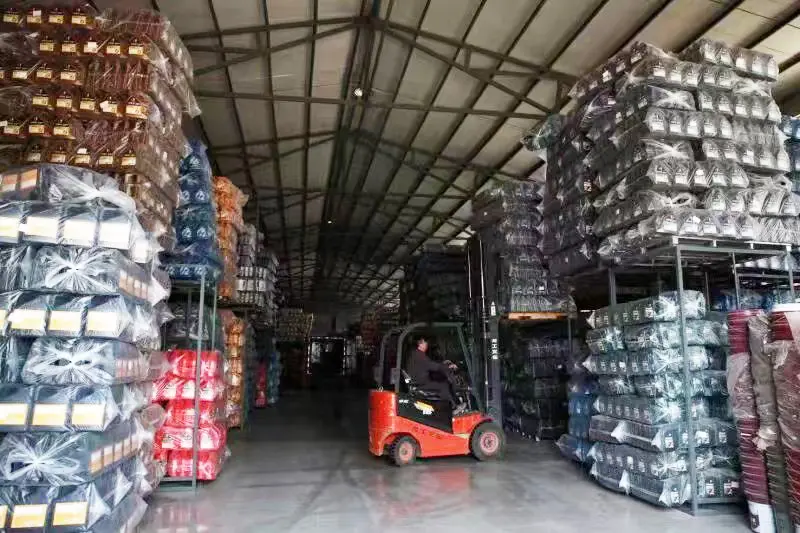
Visual tour of our state-of-the-art Zibo packaging lines, testing laboratories, and warehouses.

The industry's path forward: meeting low-carbon goals and adapting to next-generation electric and hybrid truck axles.
As environmental regulations tighten globally, heavy commercial vehicles face strict carbon reduction targets. In response, axle design is shifting from deep offset hypoid axles to multi-speed e-axles (integrated electric motor drivetrains).
This evolution presents new chemical challenges for lubricant formulators:
Shandong Longhai is active in this research. We collaborate with chemical institutes to refine our Group IV synthetic polyalphaolefin (PAO) and Group V ester oil formulations, preparing high-durability axle lubricants for future transport systems.
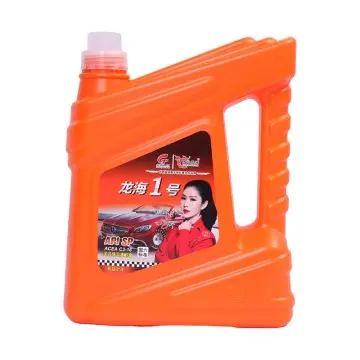
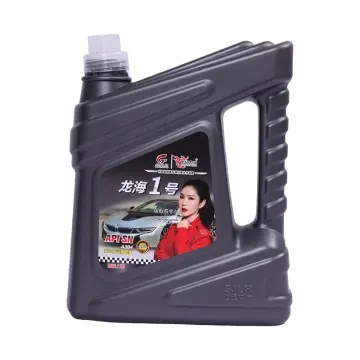
Fast-moving formulations for commercial transport and heavy-duty drivetrains.
Technical guidance and answers to common inquiries from fleet managers and procurement directors.
Differentials, particularly those utilizing hypoid gear designs, experience extreme sliding pressures and rolling contact stresses. The offset axes of hypoid gears create higher sliding friction than helical or spur gears found in standard gearboxes. Consequently, they require gear oils formulated with active sulfur-phosphorus Extreme Pressure (EP) additives. These additives chemically react with hot metal surfaces to form a sacrificial protective tribofilm, preventing micro-welding, scuffing, and premature wear.
They are not directly interchangeable. API GL-5 gear oils contain roughly double the concentration of extreme pressure additives compared to API GL-4 oils. GL-5 is designed for hypoid gears operating under severe shock-load conditions. However, using a GL-5 oil in a manual gearbox that specifies GL-4 can lead to problems. The high sulfur content in GL-5 additives can chemically attack and corrode yellow-metal parts, such as copper and bronze synchronizers, leading to shifting issues and sync-ring failure.
Key indicators include a significant increase in viscosity (caused by oxidation and polymerization), depletion of the extreme pressure additive package, an increase in acid value (TAN), and high concentrations of wear metals (such as iron and copper) detected through oil analysis. Fleet operators should also monitor water contamination and insoluble matter levels. Exceeding these limits can compromise the fluid's load-carrying capacity, putting gear sets at risk of wear.
We use high-quality Group II and Group III hydrocracked base oils, alongside imported synthetic polyalphaolefins (PAO), blended with premium additive packages. Our fully automated blending facility controls raw material ratios precisely, maintaining a filling and mixing accuracy margin within 1‰ to 2‰. Every batch undergoes testing for viscosity index stability, pour point, flash point, and copper corrosion performance before shipment, ensuring compliance with international quality standards.
Industrial oils, transmission fluids, and custom heavy-duty formulations.
 Longhai