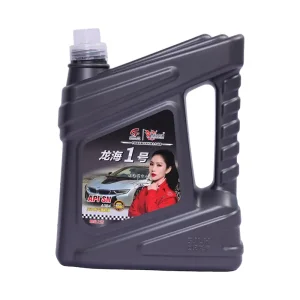
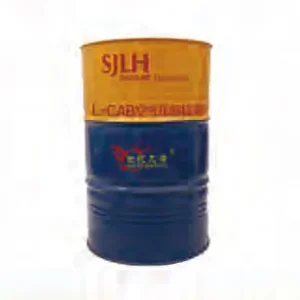
Explore our high-performance product catalog engineered to meet demanding automotive and heavy industrial machinery standards.
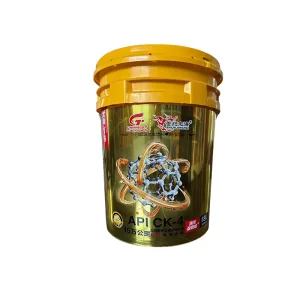
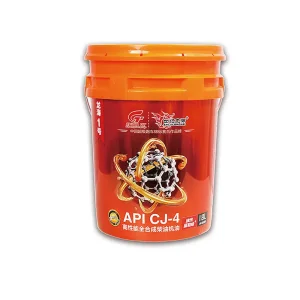
In the global industrial sector, efficiency is synonymous with survival. Hydraulic fluids and gear oils are no longer viewed as simple consumables, but rather as critical elements of machine design. Heavy-duty hydraulic pumps in manufacturing, construction, and mining industries operate at pressures exceeding 350 bar. Such intense physical stress shears low-quality polymer additives, causing viscosity loss and eventual component wear.
Furthermore, industrial gearboxes are increasingly operating under extreme loads that trigger micro-pitting—a type of localized surface fatigue that can destroy costly gear assemblies. To mitigate these threats, plant operators require advanced lubricants developed using highly refined base stocks (Group II, Group III, and synthetic polyalphaolefins) combined with robust additive chemistry. The global demand is shifting rapidly toward multi-functional oils that boast extended oil drain intervals (ODI) while safeguarding equipment in aggressive environments.
Understanding the specialized chemistry and formulation strategies that separate premium industrial lubricants from standard products.
Anti-Wear (AW) hydraulic oils rely heavily on Zinc Dialkyldithiophosphate (ZDDP). Under boundary lubrication conditions, ZDDP decomposes under heat and friction to form a sacrificial protective tribofilm on metal surfaces, effectively preventing direct metal-to-metal contact and wear.
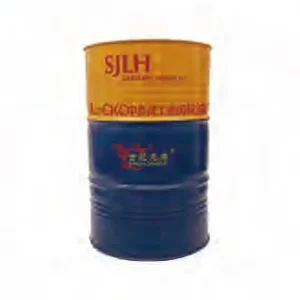
Industrial gear oils are categorized by their load-bearing capacity. L-CKC oils are formulated for medium-load industrial gear systems with moderate extreme pressure (EP) needs. L-CKD lubricants are designed for heavy-duty, highly loaded gears, providing excellent protection against micro-pitting and thermal oxidation.
High Viscosity Index (VI) fluids maintain stable film thickness across a broad temperature spectrum. Premium formulations utilize shear-stable polymer viscosity modifiers that resist mechanical degradation, ensuring the oil does not thin out prematurely under heavy mechanical loads.
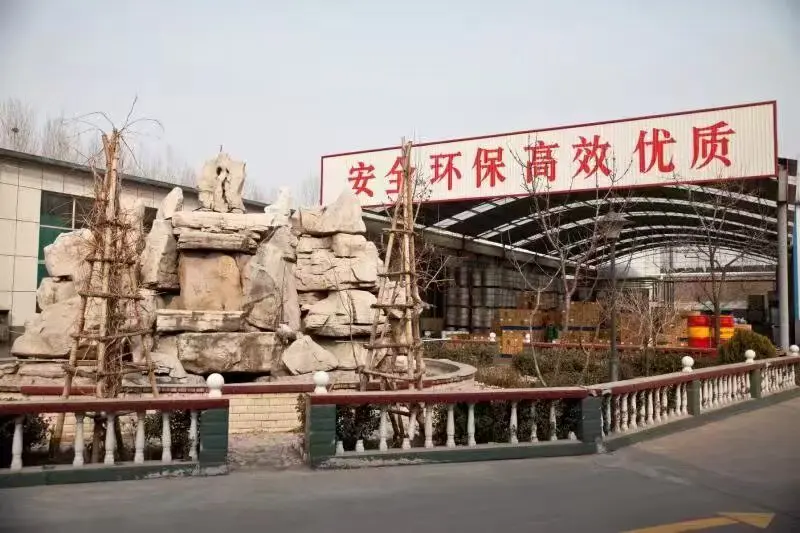
Established in 2009 and headquartered in Zibo, Shandong, Shandong Longhai Lubrication Technology Development Co., Ltd. is a high-tech enterprise integrating R&D, production, and sales. With a focus on the lubricant industry spanning over 15 years, we have built a fully integrated supply chain designed to serve global transportation and industrial markets.
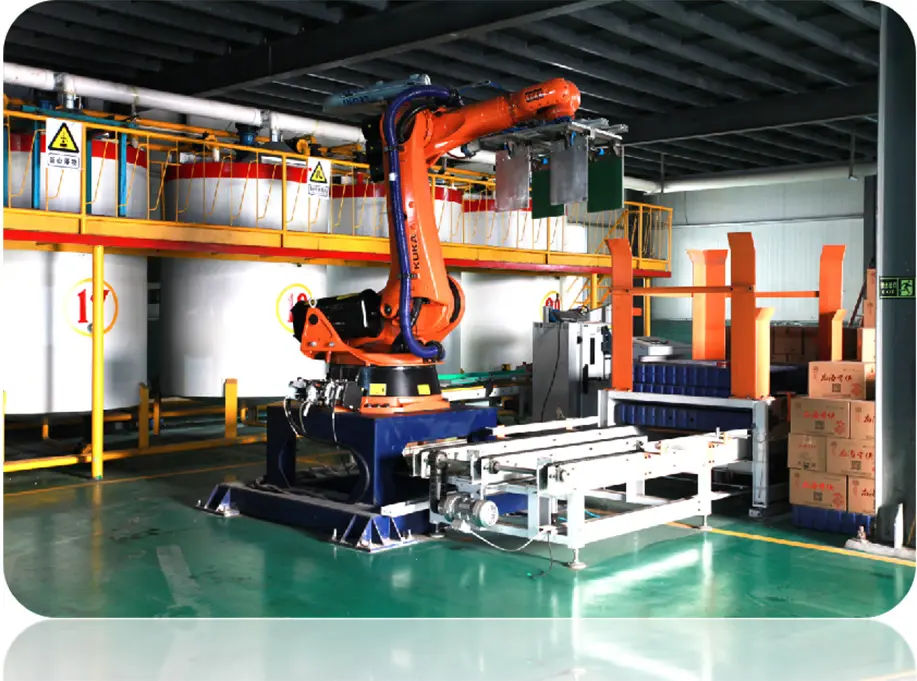
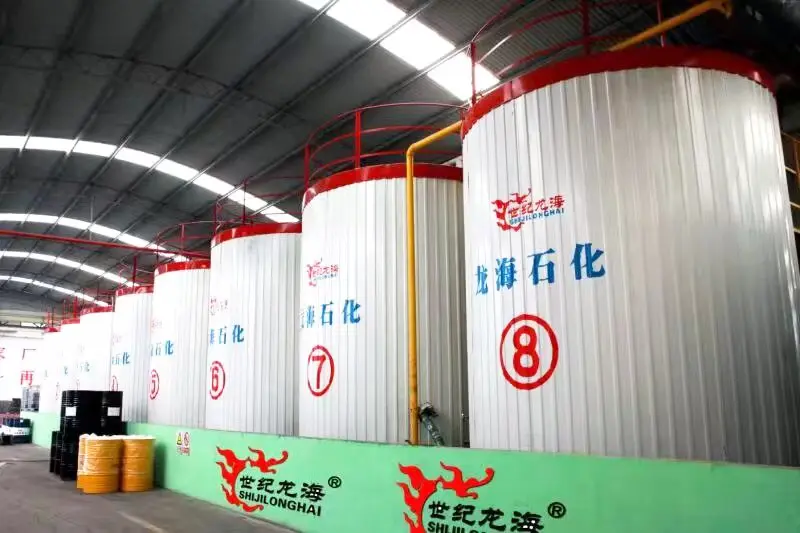
Operating from our 131-acre state-of-the-art production base, we maintain an annual production capacity of 200,000 tons. Our facility features high-precision, fully automatic blending and filling production lines. By using volumetric and mass metering filling technologies, we maintain an accuracy tolerance of 1‰ to 2‰. This automated infrastructure increases throughput speeds by 20% to 35% compared to conventional filling practices, assuring prompt order delivery without sacrificing product quality. Our core brand "Century Longhai" and strategic British partnership brand "A Ba" are backed by PICC (People's Insurance Company of China) quality insurance.
Our operation is built on international quality compliance, technological investment, and rigorous testing protocols.
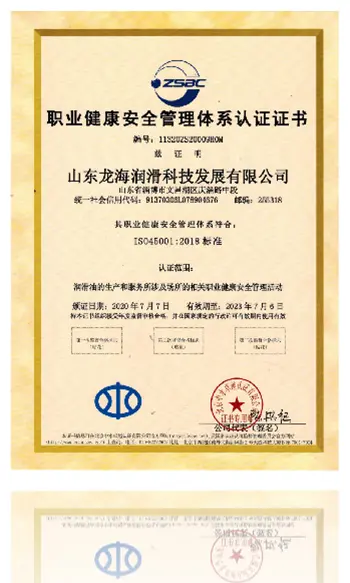
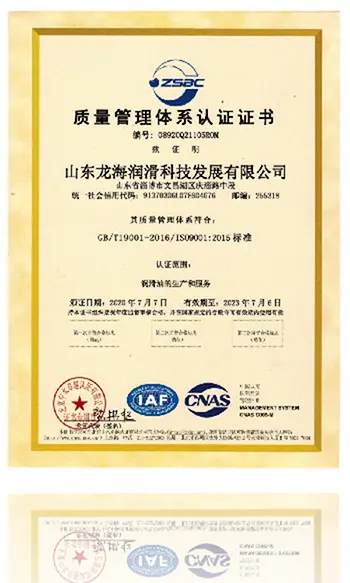
Shandong Longhai has achieved triple system certification: ISO 9001:2015 (Quality Management), ISO 14001:2015 (Environmental Management), and ISO 45001:2018 / OHSAS 18001 (Occupational Health and Safety). Furthermore, our automatic transmission fluids have secured official Mercedes-Benz approvals, validating our compliance with strict European OEM requirements.
We invest more than 5% of our annual revenue directly into our R&D center. Partnering with top research universities and institutions, our precision laboratories continuously develop custom formulations that optimize fluid behavior under severe pressure, extreme thermal variations, and water-contaminated environments.
How our hydraulic and gear oils perform across demanding industrial environments and complex regional climates.
Operating in environments filled with abrasive dust, high vibration, and shock loads. Our L-CKD heavy-duty gear oils prevent micro-pitting in shovel gearboxes, while our anti-wear hydraulic fluids maintain responsive system controls under continuous duty cycles.
Subjected to extreme temperatures and water ingress. Longhai's hydraulic transmission fluids offer excellent thermal-oxidative stability, preventing sludge and varnish build-up on critical servo valves, thereby maximizing continuous operational runtime.
Positioned in remote, high-altitude locations where maintenance access is difficult. Our synthetic-based gear lubricants exhibit low-temperature fluidity and superior resistance to foaming, protecting planetary gearboxes across wide temperature variations.
Our long-term R&D objectives prioritize eco-efficiency, smart lubrication monitoring, and synthetic performance evolution.
Developing synthetic ester-based hydraulic fluids that decompose naturally in sensitive environments, such as forestry and marine zones, without sacrificing extreme pressure or anti-wear characteristics.
Utilizing low-traction synthetic base fluids to minimize internal fluid friction, reducing mechanical drag losses within gearboxes and hydraulic pumps, which translates into lower energy consumption for end-users.
Developing lubricants designed to work alongside inline optical oil monitoring sensors. These sensors track fluid oxidation, moisture levels, and wear particle counts in real-time to support predictive maintenance programs.
At Shandong Longhai, we recognize that standard off-the-shelf lubricants cannot meet every specialized industrial requirement. Our advanced production complex supports tailored formulation development, helping global clients configure fluids according to unique environmental temperatures, operational load requirements, and regional environmental regulations.
Every custom batch undergoes testing in our precision QC laboratory, verifying Kinematic Viscosity (ASTM D445), Viscosity Index (ASTM D2270), Pour Point (ASTM D97), Flash Point (ASTM D92), and Copper Strip Corrosion (ASTM D130) characteristics. This testing ensures that every delivered batch adheres strictly to international specifications, including DIN 51524, DIN 51517, ISO 11158, and AGMA standards.
A structured, quality-controlled workflow designed to bring customized lubrication solutions to market efficiently.

Demand Analysis
Formula Development
Sample Testing
Production Delivery
After-Sales Support
Expert insights addressing selection, performance, and maintenance variables for industrial gear and hydraulic lubricants.
L-CKC (medium-load) and L-CKD (heavy-duty) gear oils differ primarily in their extreme pressure (EP) capabilities, thermal oxidation stability, and resistance to micro-pitting. L-CKD contains a higher concentration of sulfur-phosphorus EP additives, which create a chemical barrier under high shock loads, preventing micropitting, scuffing, and wear on heavy-duty industrial gearsets.
Water contamination causes oil degradation, additive hydrolysis, accelerated component corrosion, and cavitation in hydraulic pumps. A fluid with excellent demulsibility separates quickly from water, allowing free water to settle at the bottom of the reservoir where it can be drained off, preserving the protective film thickness of the oil.
Mixing zinc-based and ashless hydraulic oils is generally not recommended. The sulfur-phosphorus additives in ashless formulations can react with the zinc additives in ZDDP oils, causing precipitate formation, filter blockage, and a reduction in anti-wear performance. If converting a system, a thorough system flush is required.
Mobile machinery operates across a broad temperature range and experiences high shear forces in hydraulic pumps. If a fluid is not shear-stable, its polymer viscosity modifiers will degrade, causing the oil to lose viscosity. This loss decreases volumetric efficiency, increases internal pump leakage, and leads to system overheating and sluggish controls.
Explore our heavy-duty transmission fluids, industrial gear oils, and specialized high-performance lubricants.
 Longhai