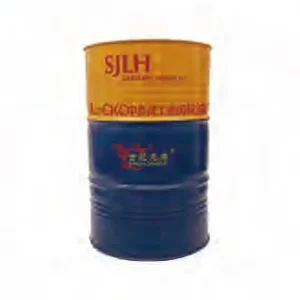
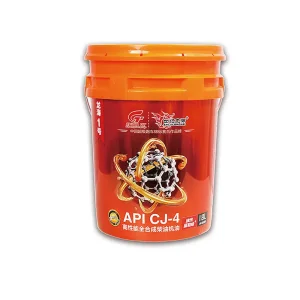
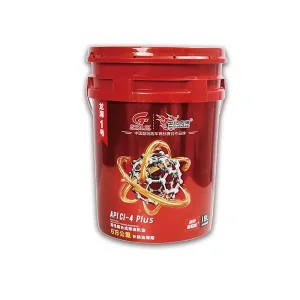
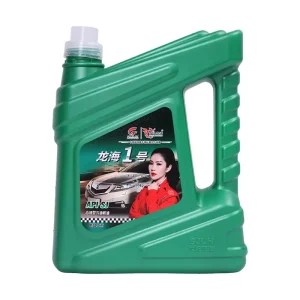
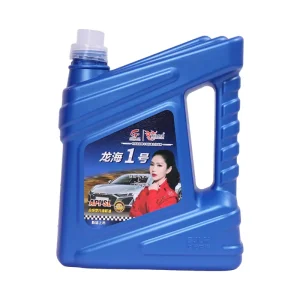
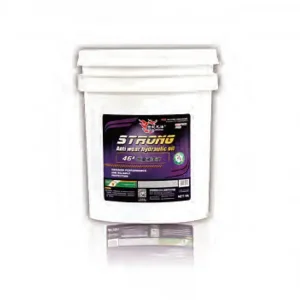
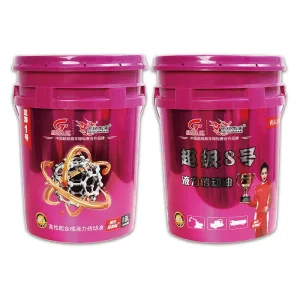
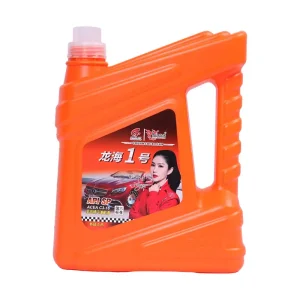
Explore our top-tier automotive and industrial lubricants engineered to meet stringent international standards and deliver exceptional thermal stability.
The global air conditioning and refrigeration landscape is undergoing a critical transition. Driven by the Kigali Amendment to the Montreal Protocol, HFC refrigerants with high Global Warming Potential (GWP) such as R134a are systematically being phased out. They are being replaced by low-GWP alternatives, including hydrofluoroolefins (HFOs) like R1234yf, natural refrigerants like R744 (CO₂), and hydrocarbons like R290 (Propane).
This paradigm shift has fundamentally rewritten the rules for compressor tribology. Standard mineral oils are chemically incompatible with polar refrigerants, leading to phase separation and imminent compressor seizure. Modern HVAC/R systems rely on synthetic fluid formulations—predominantly Polyalkylene Glycols (PAG) and Polyol Esters (POE)—to achieve chemical miscibility, protect high-load bearing surfaces, and optimize thermodynamic efficiency under extreme pressures.
As a leading hub for automotive and industrial manufacturing, China has established itself as the global production center for these high-performance synthetic fluids. Chinese exporters leverage advanced chemical synthesis routes, domestic supply chain stability, and significant cost efficiencies to deliver OEM-grade compressor oils to system integrators, automotive tier-1 suppliers, and aftermarket distributors worldwide.
Choosing the correct AC compressor oil is not just about lubrication—it is a critical design choice affecting heat transfer efficiency, oil return characteristics, and system longevity. Incompatibility will trigger:
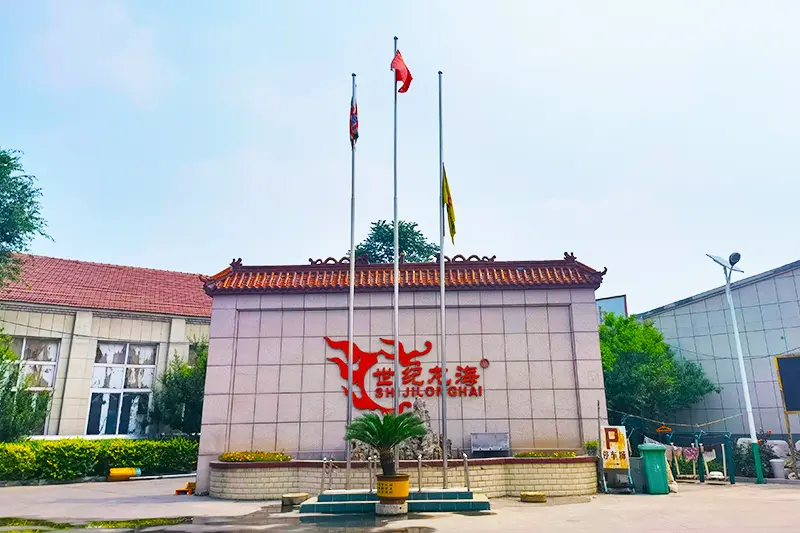
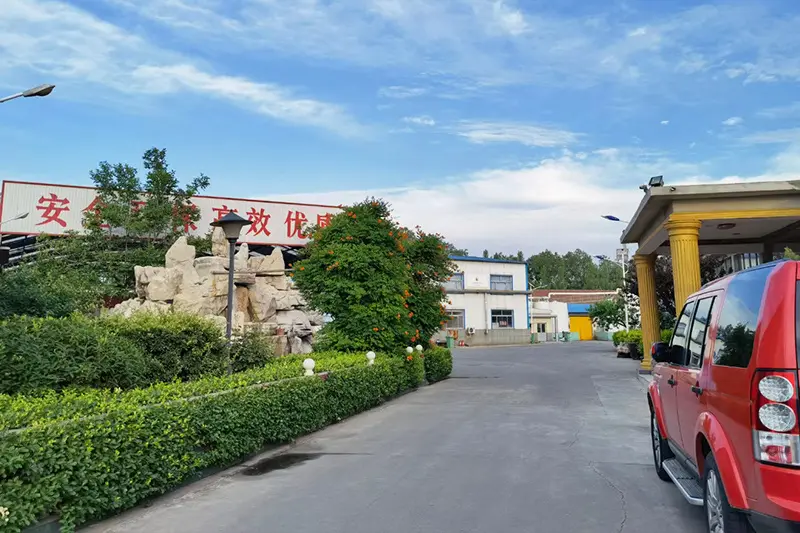
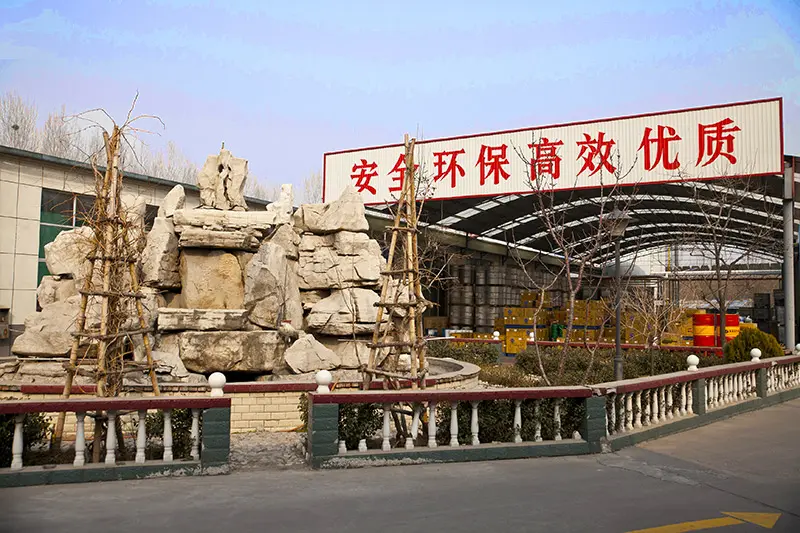
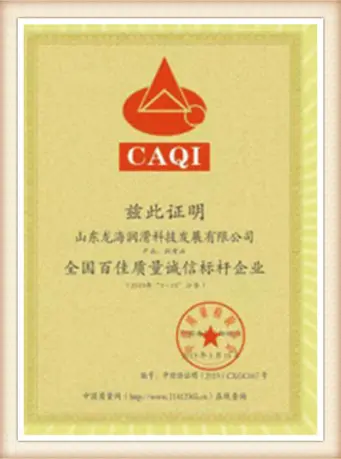
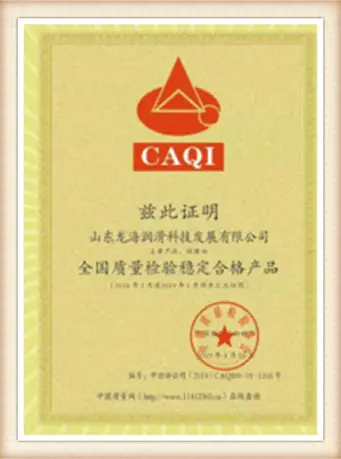
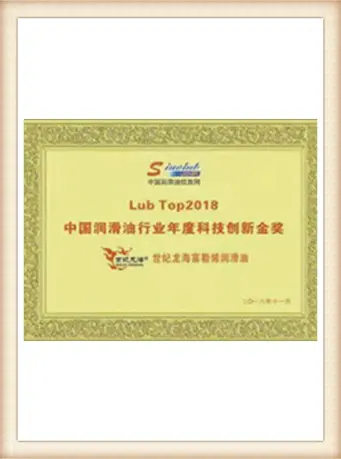
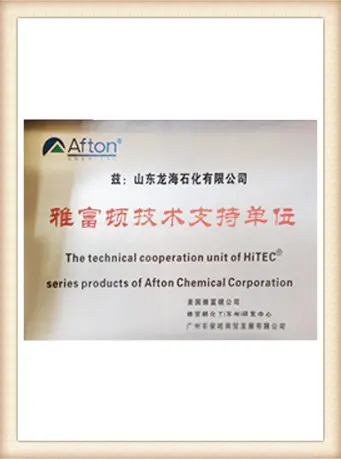
Established in 2009 and headquartered in Zibo, Shandong, Shandong Longhai Lubrication Technology Development Co., Ltd. is a state-level high-tech enterprise dedicated to the research, development, formulation, and global distribution of advanced industrial and automotive lubricants. With over 15 years of industry specialization, we have built a fully integrated supply chain capable of delivering customized lubrication solutions to the world’s most demanding industrial environments.
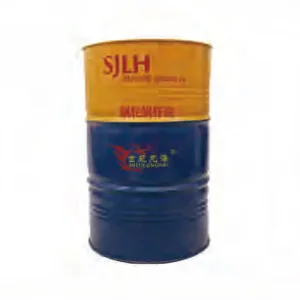
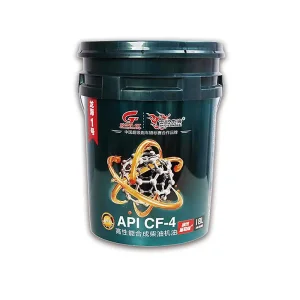
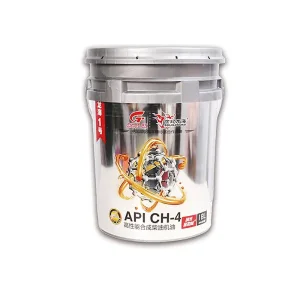
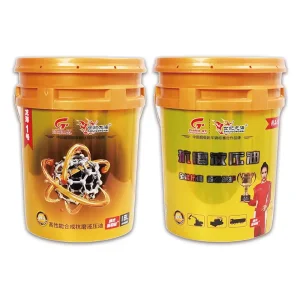
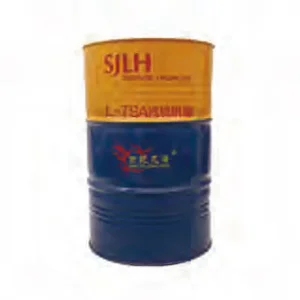
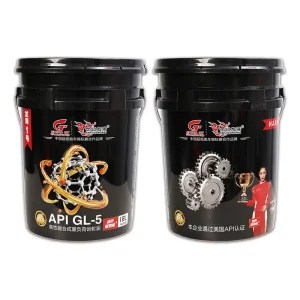
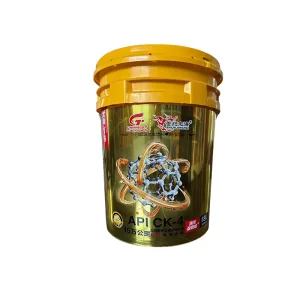
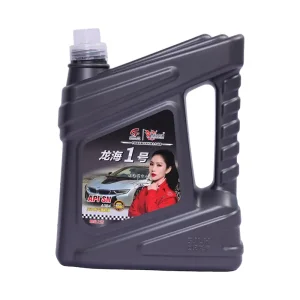
We market our premium lubricants under our proprietary brand "Century Longhai" alongside our international strategic partner brand, the British "A Ba" series. Our extensive product portfolio spans diesel engine oils (API CK-4 through CH-4), high-temperature gasoline engine oils (API SP, SN, SL, SJ), wear-resistant hydraulic fluids, turbine oils, heavy-duty industrial gear oils, and specialized AC compressor lubricants designed for clean, reliable performance. To provide ultimate peace of mind, all our branded products are fully insured by PICC China People's Insurance Company.
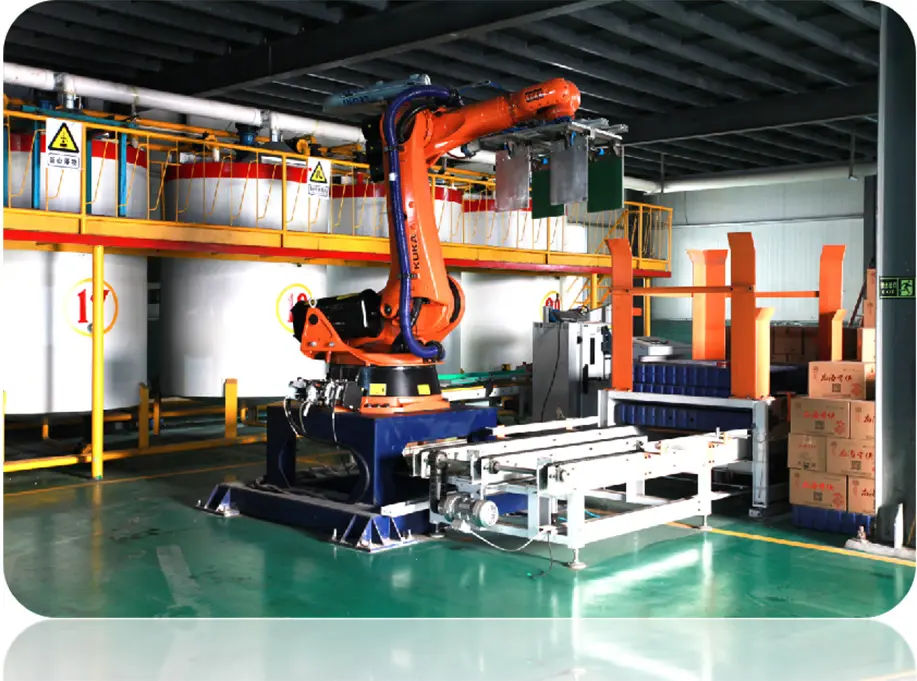
Our modern chemical labs tailor chemical properties including kinematic viscosity, pour point, water content, and additive packages to suit extreme local operating temperatures, custom system geometries, and specific chemical environments.
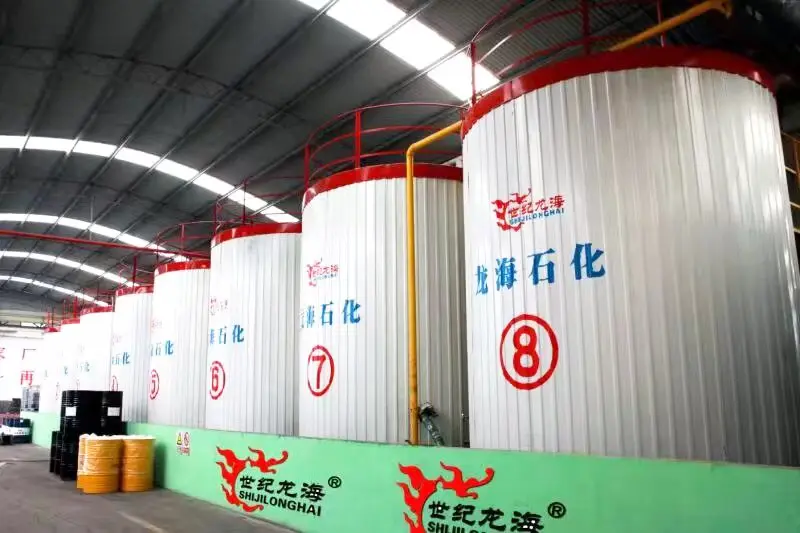
Our production base spans 131 acres, backed by an annual production capacity of 200,000 tons. We operate strictly under ISO-9001-2015 Quality, 14001 Environmental, and 18001 Occupational Health systems, alongside certified Mercedes-Benz approvals.
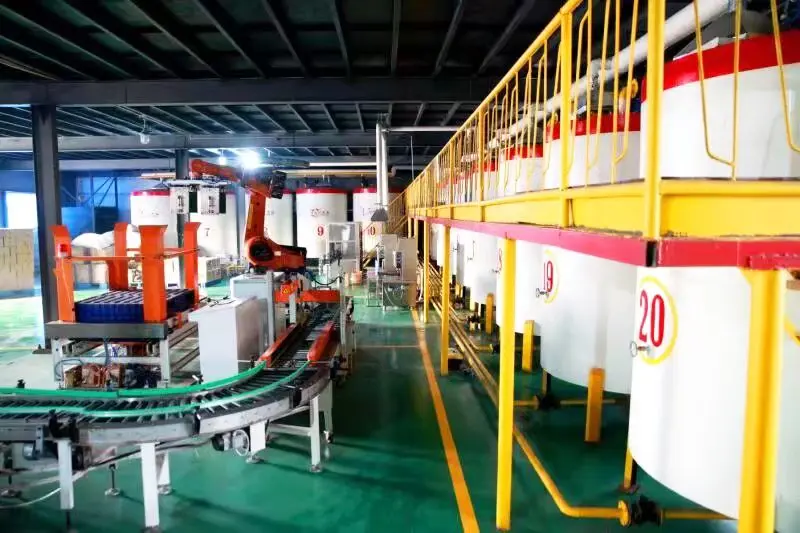
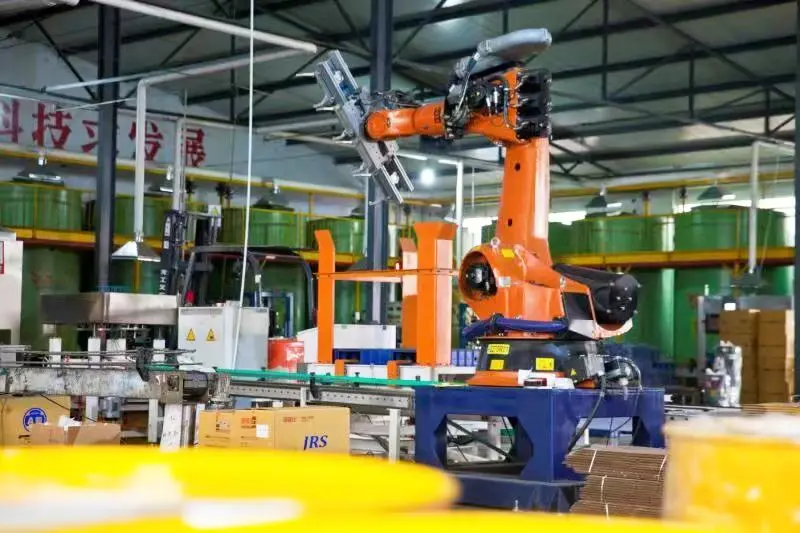
Our automated production facility utilizes volumetric and mass-flow metering systems, achieving filling accuracies within 0.1% to 0.2%. This precise control speeds up our production lines by 20% to 35% compared to conventional techniques.
An engineering breakdown of synthetic lubricant families used in modern air conditioning and refrigeration systems.
| Lubricant Type | Compatible Refrigerants | Key Features & Strengths | Main Applications |
|---|---|---|---|
| PAG (Polyalkylene Glycol) | R134a, R1234yf, CO₂ (R744) | Excellent lubricity, high viscosity index, thermal stability, excellent shear resistance. Hygroscopic but highly stable in closed automotive systems. | Automotive HVAC, Belt-Driven and Electric Compressors. |
| POE (Polyol Ester) | HFCs (R134a, R404A, R410A, R32), HFOs | Excellent chemical miscibility with polar HFCs, high dielectric breakdown strength, superior thermal stability, low temperature fluidity. | Commercial Refrigeration, Residential Split ACs, Semi-Hermetic Industrial Chillers. |
| PVE (Polyvinyl Ether) | HFCs (R410A, R32), HFOs | Excellent miscibility, does not undergo hydrolytic degradation in the presence of moisture (no acid generation), superb wear resistance. | Residential Heat Pumps, Commercial VRF System Compressors. |
| Mineral Oil (Naphthenic/Paraffinic) | CFCs, HCFCs (R22, R12), Ammonia (R717) | Excellent chemical stability, low cost, good solubility with traditional non-polar chlorine-containing refrigerants. | Legacy Refrigeration Systems, Industrial Ammonia Chillers. |
Compressor efficiency depends heavily on selecting the correct viscosity grade under operating conditions. Viscosity that is too low cannot support hydrodynamic lubrication, leading to metal-to-metal contact on bearings and vanes. Viscosity that is too high increases viscous drag, leading to higher energy consumption and startup friction at sub-zero temperatures.
Modern variable-displacement scroll and rotary compressors run on low-viscosity oils (such as ISO VG 46 or 68) to improve heat transfer. Heavy-duty screw compressors and industrial reciprocating units require ISO VG 100 or 150 to maintain a reliable seal and film thickness under high discharge pressures.
Synthetic lubricants are polar, meaning they readily absorb atmospheric moisture. When POE oil is exposed to water, it can undergo hydrolysis, breaking back down into its raw components: organic acids and alcohol. These acids corrode internal components and generate metallic soaps that clog thermal expansion valves (TXV).
At Shandong Longhai, our advanced manufacturing line packages our products under dry nitrogen. We maintain strict control over moisture content, keeping it below 50 ppm (parts per million). This prevents hydrolytic degradation during storage and initial system charge, ensuring stable operation.
Our advanced lubricating oils are engineered for peak performance across diverse commercial and automotive platforms.
Optimized for passenger vehicles using R134a and R1234yf systems. Our Double End-Capped PAG oils provide excellent lubricity and low-temperature fluidity, protecting high-speed swashplate compressors under variable thermodynamic loads.
Formulated for walk-in freezers, supermarket display cases, and cold storage logistics. Our high-viscosity POE series delivers excellent miscibility with R404A and R507, preventing oil logging in evaporator coils.
Electric vehicle thermal management systems require hermetic scroll compressors powered by high-voltage motors. Our specialized POE oils feature a high dielectric breakdown voltage (>30 kV), preventing current leaks to the vehicle chassis.
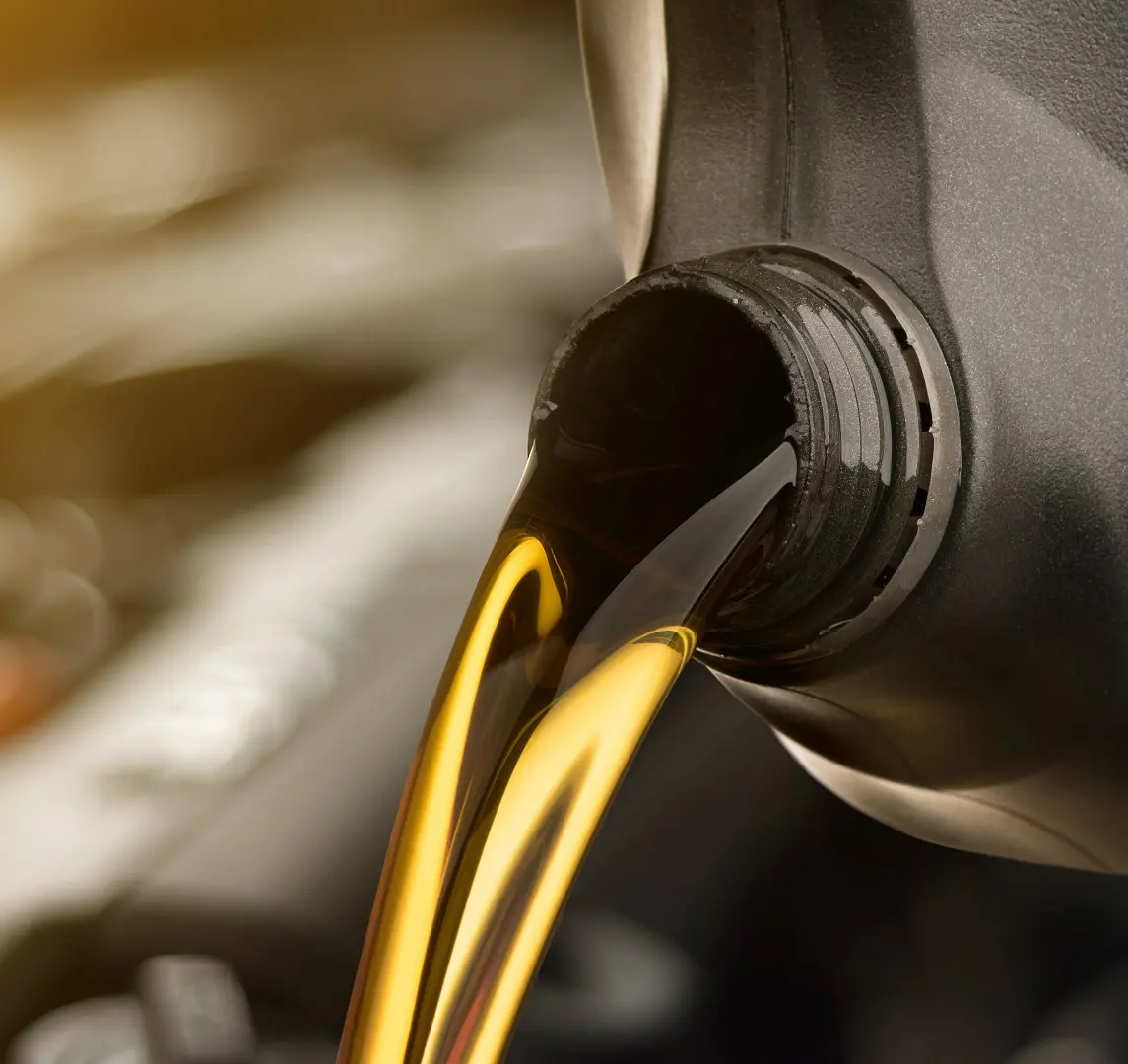
At Shandong Longhai Lubrication Technology, we recognize that off-the-shelf lubricants do not fit every technical application. We offer comprehensive OEM/ODM contract manufacturing services, tailoring lubricant properties to meet specific target performance profiles, climatic conditions, or regional regulatory standards.
Our turnkey capabilities cover everything from formulation testing to custom packaging design and label printing. We help brand owners, distributors, and compressor manufacturers establish their own premium product lines with full technical documentation support.
From initial request to global delivery, we ensure transparency and rigorous quality control at every step.
Evaluating compressor type, refrigerant compatibility, operating temperatures, and viscosity requirements.

Our R&D lab customizes synthetic basestocks and additive packages to meet performance targets.
Extensive simulation of thermal stability, miscibility limits, and wear limits under simulated pressure.
Automated blending and packaging, with nitrogen-purged filling to prevent moisture contamination.
Continuous quality monitoring, fluid analysis services, and supply chain logistics support.
Take a look inside our high-precision laboratories and automated chemical blending lines in Shandong.

Answers to common technical questions about AC compressor lubrication, chemistry, and performance optimization.
No, mixing PAG and POE oils is not recommended. Although both are synthetic lubricants, they have different chemical structures, polarities, and solubility properties. Mixing them can destabilize the additive package, leading to phase separation, reduced lubricating film thickness, and potential compressor damage.
R1234yf is an unsaturated HFO molecule that is chemically less stable than R134a. Under high temperatures and in the presence of air or moisture, R1234yf can decompose and generate highly corrosive hydrofluoric acid. The compressor oil must be formulated with specialized thermal stabilizers and acid scavengers to protect against this decomposition.
Synthetic basestocks like POE and PAG are highly polar and absorb moisture easily from the air. High moisture levels can lead to hydrolysis (which breaks POE back down into organic acids) and copper plating on bearing surfaces. To prevent this, we maintain strict moisture limits (under 50 ppm) and package our products under a nitrogen barrier.
Electric vehicles (EVs) utilize high-voltage electric scroll compressors where the motor windings are in direct contact with the refrigerant and oil mix. The compressor oil must have excellent dielectric properties (breakdown voltage >30 kV) to prevent electrical current from leaking to the chassis, while maintaining compatibility with the insulating materials on the motor windings.
The correct viscosity grade is specified by the compressor manufacturer based on the unit's clearances and operating temperatures. Generally, low-viscosity oils (ISO VG 46) are used in passenger vehicle AC systems to minimize friction and improve fuel efficiency, while high-viscosity oils (ISO VG 100 or 150) are used in heavy-duty commercial screw or reciprocating compressors to ensure a stable seal under high discharge pressures.
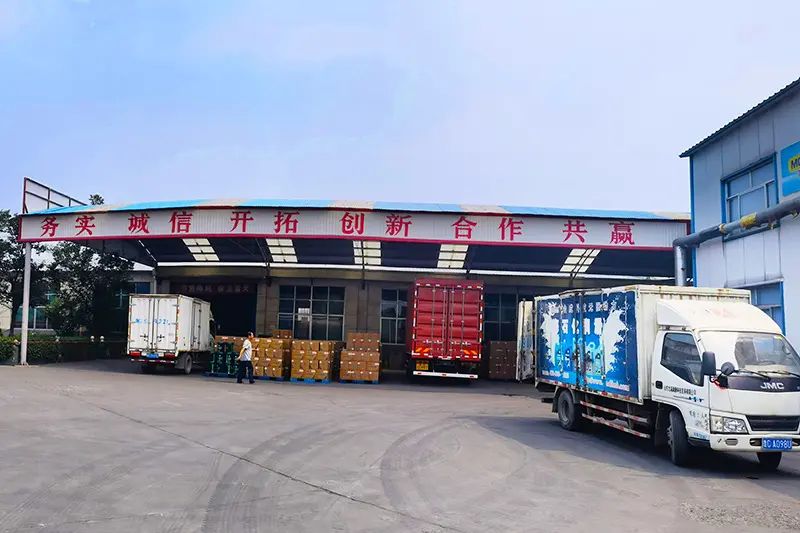
We support global distribution networks, ensuring high-speed logistics and reliable supply to international ports.

High-performance synthetic diesel oils, industrial transmission fluids, and heavy-duty gear lubricants designed for extreme operational environments.
 Longhai