The global HVAC and refrigeration industries are experiencing a paradigm shift driven by chemical transition regulations, energy optimization benchmarks, and extreme system design limits. Compressor lubricants, historically treated as auxiliary materials, are now designated as critical design components. Proper selection of base oils—such as polyol esters (POE), polyalkylene glycols (PAG), and high-performance mineral fractions—directly influences the heat transfer coefficients, coefficient of performance (COP), and system longevity.
As cooling demands scale upward across automotive thermal management, industrial refrigeration units, and cold chains, lubrication formulation must withstand higher thermal stress while remaining completely miscible with alternative low-GWP (Global Warming Potential) refrigerants like R-1234yf, R-32, and carbon dioxide (CO2). Achieving a high viscosity index, outstanding hydrolytic stability, and precise anti-wear performance constitutes the core metric of today's advanced air conditioning compressor lubrication technology.

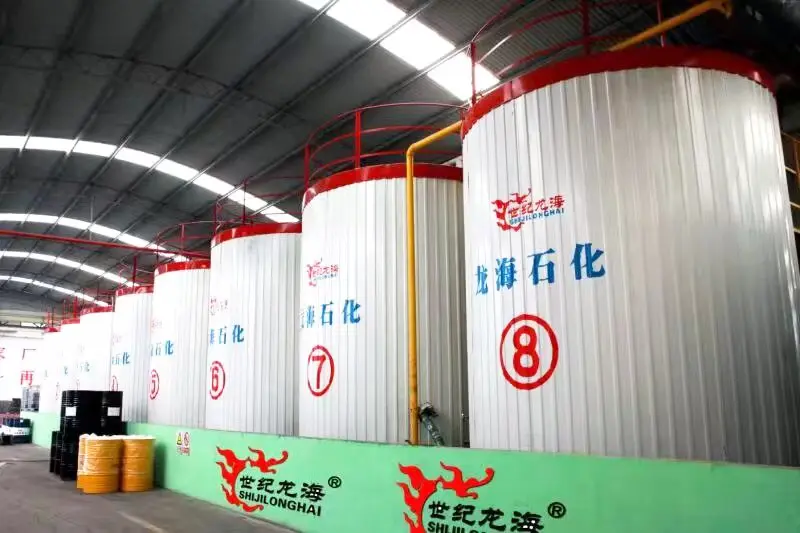
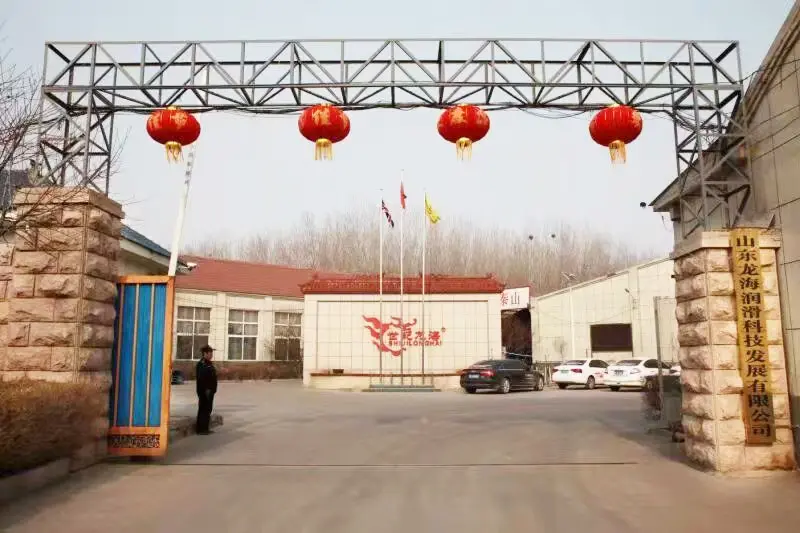
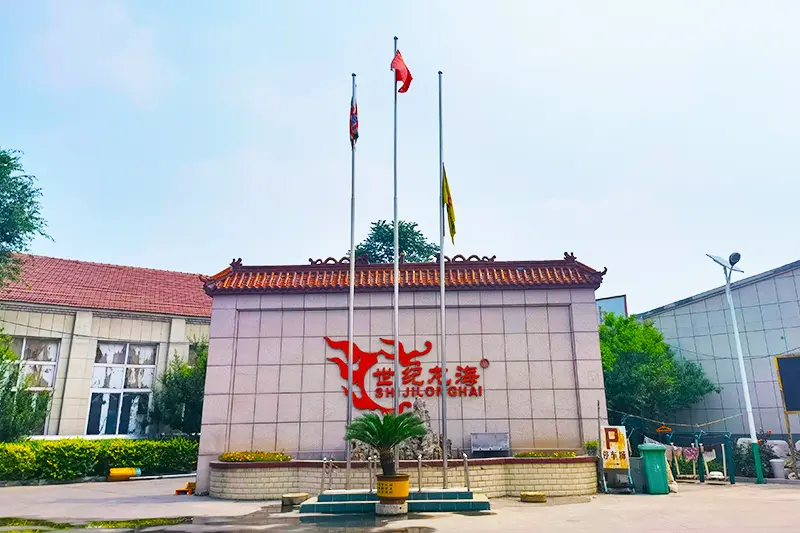
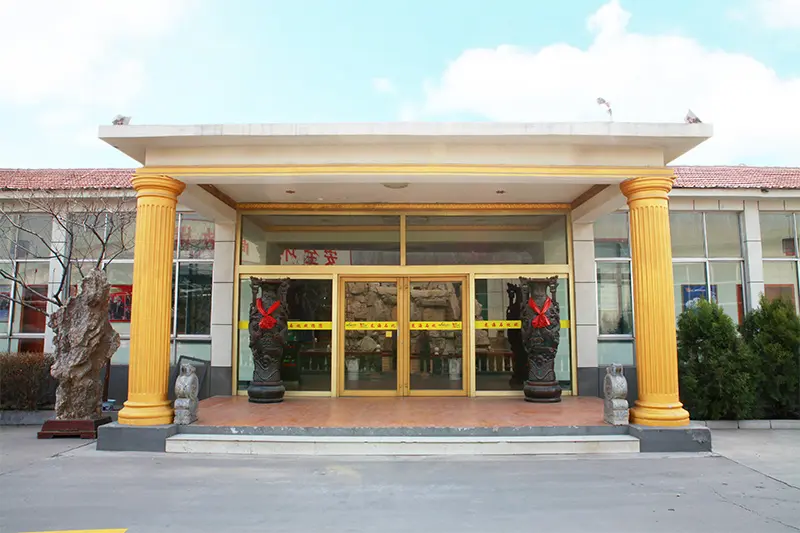
Established in 2009 and headquartered in Zibo, Shandong, Shandong Longhai Lubrication Technology Development Co., Ltd. is a state-recognized high-tech enterprise. Integrating R&D, advanced chemical processing, smart blending, and global supply chain logistics, we have spent more than 15 years developing custom lubricants to serve demanding industrial applications.
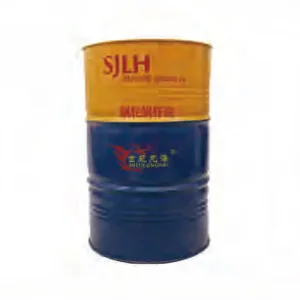
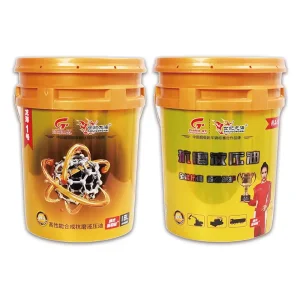
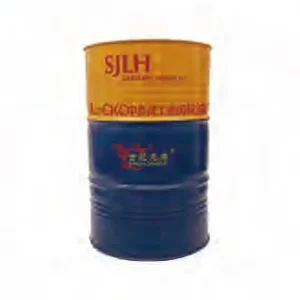
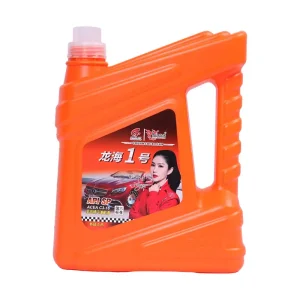
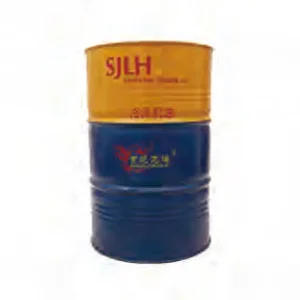
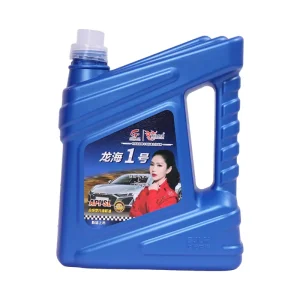
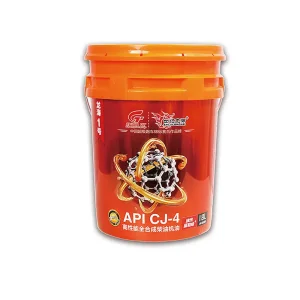
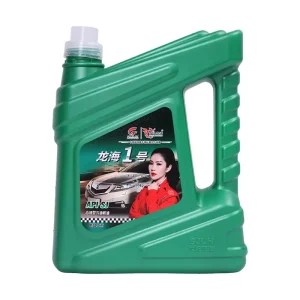
We supply a diverse product line featuring diesel and gasoline engine oils, gear oils, hydraulic transmission fluids, and special industrial formulations. Alongside our proprietary brand "Century Longhai", we maintain strategic partnerships producing the international "A Ba" series. Backed by the People’s Insurance Company of China (PICC), we ensure structural risk mitigation and quality assurance for commercial operators worldwide.
Purchasing departments and compressor manufacturers face critical technical challenges. A reliable supplier must bridge the gap between chemistry and operational efficiency.
Refrigerants like R-134a and R-410a require highly specific lubricant miscibility profiles. Incompatibility results in phase separation, oil logging in the evaporator, and subsequent compressor starvation.
Working fluid mixtures lower the lubricant's viscosity index inside the crankcase. The blend must maintain sufficient hydrodynamic film thickness to prevent metal-to-metal contact during peak load times.
Polyester and glycol formulations are naturally hygroscopic. A strict manufacturing environment with moisture control limits degradation, preserving internal system chemistry.
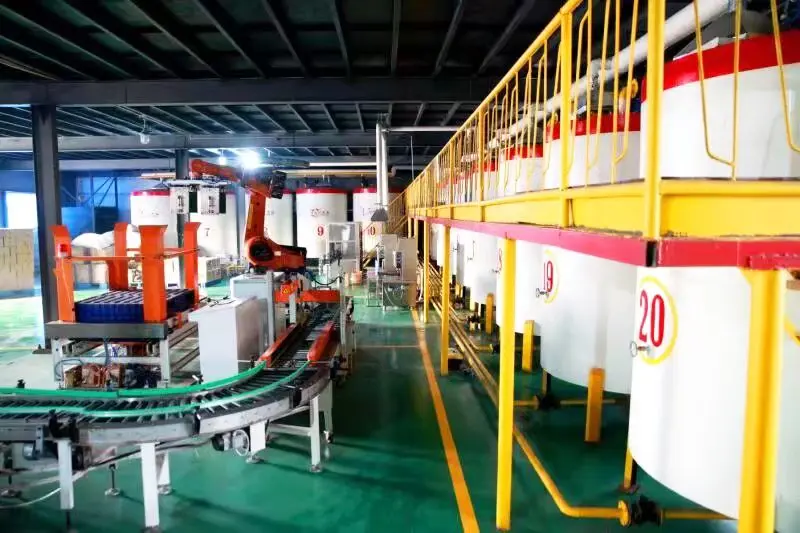
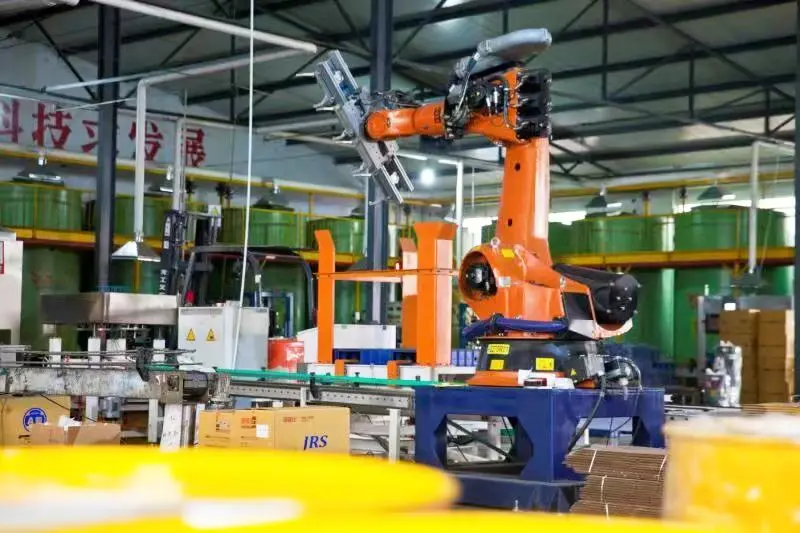
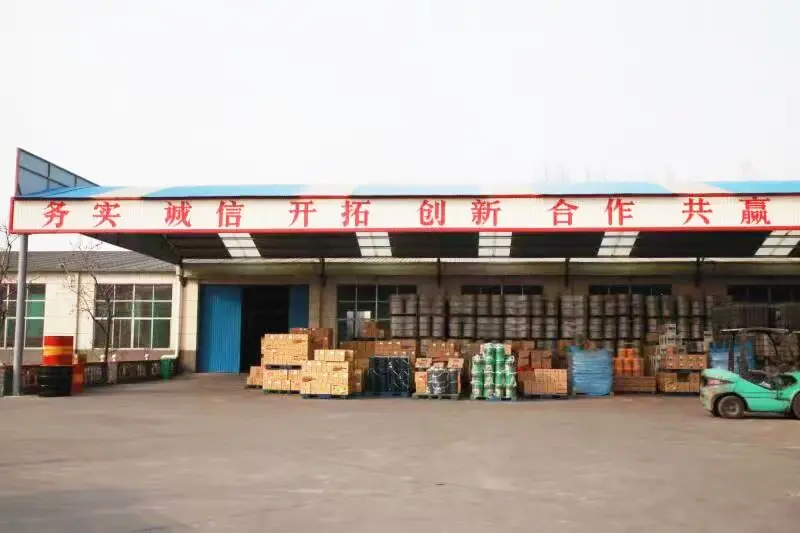
Operating a 131-acre manufacturing center, Longhai Technology maintains an annual production capacity of 200,000 tons. Our facility features advanced blending platforms and fully automated packaging machinery. By applying modern metering filling principles, we guarantee a volumetric precision of 1‰ to 2‰.
This automated integration yields a 20% to 35% speed increase over conventional filling methods, protecting product purity from environmental humidity. We execute standard testing across all batches to ensure consistent technical compliance for global OEM buyers.
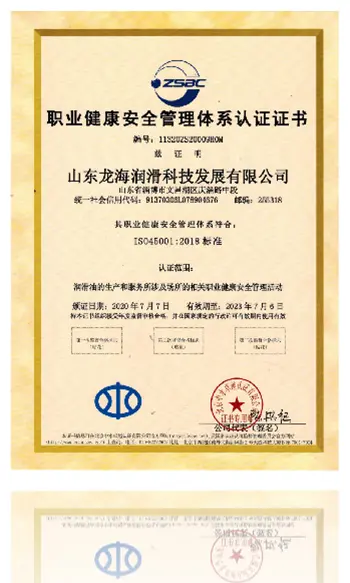
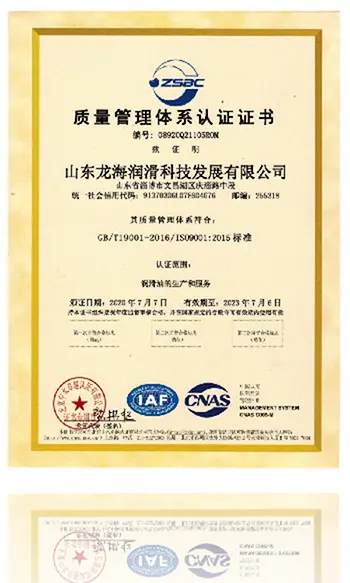
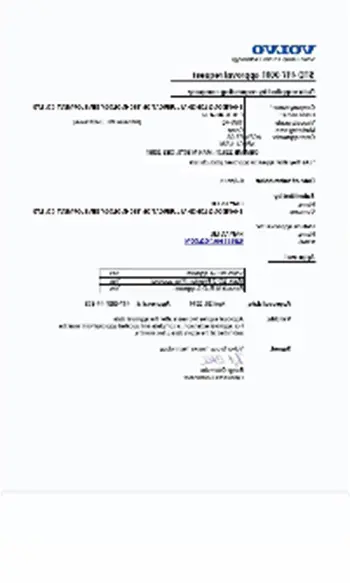
System Certifications:
We deliver customized chemical formulations tailored to your compressor's operational profiles, refrigerant choices, and temperature requirements.
Our engineering team works alongside commercial clients to design synthetic and semi-synthetic fluids that meet regional standards (such as API, ACEA, DIN, and ISO specifications).
Targeted viscosity index adjustment, pour-point suppression, and custom anti-wear additive integration.
Scaling from small-scale field trials to containerized bulk distribution with moisture-proof barrier seals.
Complete testing for elastomer compatibility, seal swell rates, and critical pressure stability.
Full documentation support including SDS, REACH certificates, GHS labels, and customs clearance paperwork.
Evaluating system operating conditions, refrigerant choice, and performance targets.

Selecting base stocks and additive packages for custom blending.
Executing laboratory analyses for shear stability, miscibility, and seal compatibility.
High-speed automated filling under dry nitrogen protection.
Handling distribution with customs compliance documentation.

Technical issues solved by our chemical engineers and manufacturing specialists.
For HFCs (e.g., R-134a, R-410A) and modern low-GWP HFOs (e.g., R-1234yf), Polyol Ester (POE) and Polyalkylene Glycol (PAG) oils are the industry standard. POE oils provide excellent miscibility, thermal stability, and lubrication performance across a wide temperature range. Automotive air conditioning applications typically use PAG oils due to their shear stability under high friction loads. Traditional mineral oils lack the necessary polarity to mix with these non-ozone depleting working fluids, leading to oil separation and compressor failure.
Synthetic ester base stocks (such as POE) are hygroscopic, meaning they readily absorb water from the surrounding air. When moisture contamination exceeds defined limits (typically 50-100 ppm), the ester bonds undergo hydrolysis, reverting into raw organic acids and alcohol. These acidic components corrode internal copper windings, attack elastomer seals, and accelerate the formation of metallic sludge. To combat this, Shandong Longhai executes all filling stages under nitrogen blankets, using multi-layer barrier packaging to prevent moisture ingress during storage.
The Viscosity Index (VI) indicates how much a fluid's viscosity changes in response to temperature variations. AC compressors face extremes: low temperatures in the evaporator and high temperatures at the discharge valve. A high Viscosity Index ensures the oil remains thin enough at low temperatures to avoid flow resistance, yet retains sufficient viscosity at high temperatures to provide a load-bearing protective film. This balance prevents compressor wear and optimizes system efficiency.
We combine ISO 9001 quality management with fully automated blending technology. Our production line uses mass-flow controllers and PLC-guided blending systems that maintain dosing precision within 1‰ to 2‰. Every batch undergoes testing for key properties—such as kinematic viscosity at 40°C and 100°C, acid value, water content, and dielectric strength—before packaging. We archive retain samples from each shipment for traceability.
Mixing PAG and POE oils is generally not recommended unless specified by the compressor manufacturer. While both are polar synthetic oils, they differ in chemistry, viscosity behavior under dilution, and additive solubility. Mixing them can alter the system's oil-return properties, affect elastomer compatibility, and lead to additive dropout. Always perform a complete flush before switching lubricant chemistries.
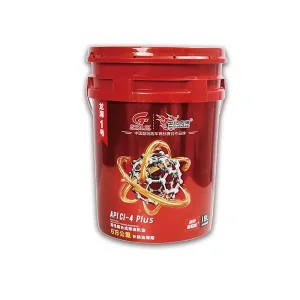
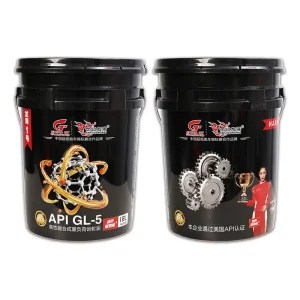
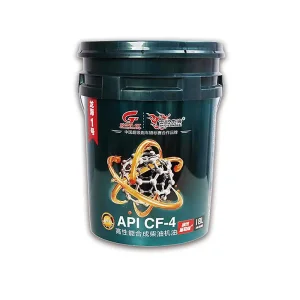
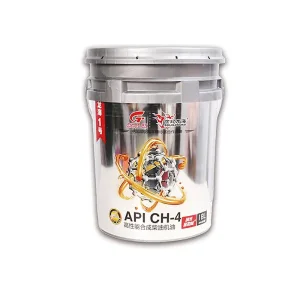
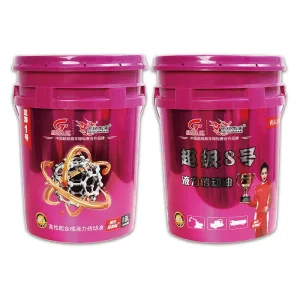
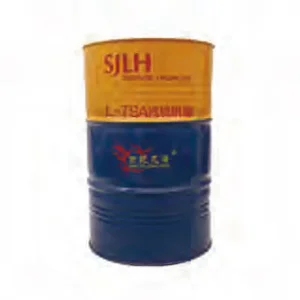
Optimize your equipment efficiency, reduce system friction, and secure stable supply with a verified partner. Our chemical engineers are ready to support your custom formulations, compliance certifications, or bulk purchase needs.
Consult Our Lubrication Engineers Longhai