In the competitive market of Lube Oil supply, identifying reliable suppliers in China is crucial for global buyers. China has become a prominent player in the Lube Oil industry, offering diverse products tailored to various needs. However, navigating this market can be complex due to numerous suppliers available.
Buyers must assess the expertise and reputation of these suppliers. Reliable suppliers often showcase certifications, quality standards, and a proven track record. Working with suppliers that have industry authority ensures trust in the products received. Quality Lube Oil is essential for optimal performance in machinery and vehicles, where even minor lapses can lead to significant issues.
It's important to approach the selection process with deliberate caution. Not all suppliers may meet quality standards, and buyers should perform thorough market research. Engaging with experienced industry professionals can shed light on the reputation of different providers. By prioritizing quality and reliability, global buyers will find trustworthy sources for their Lube Oil needs.
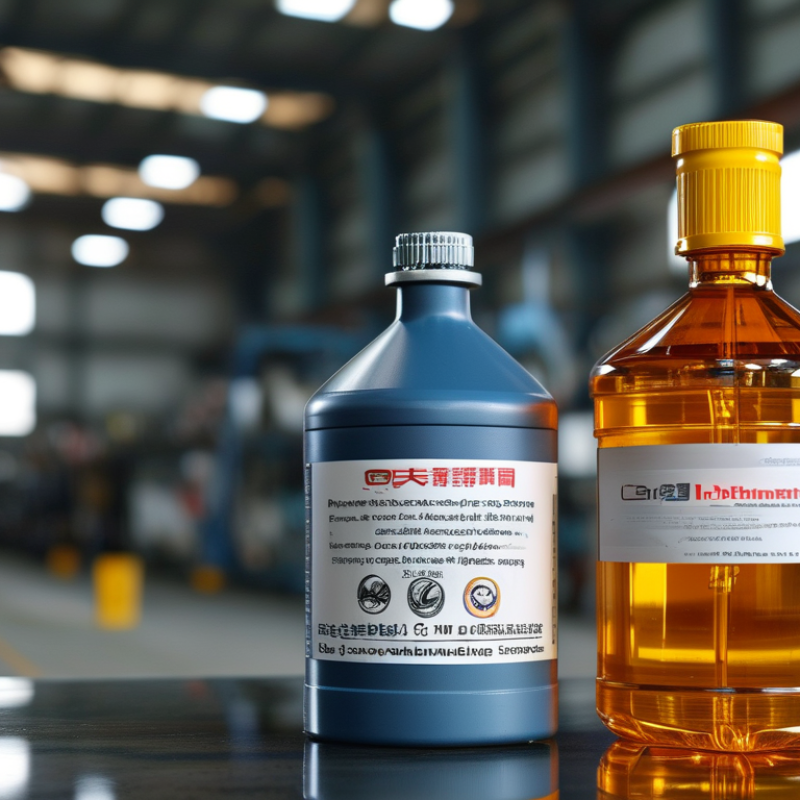
Overview of the Lubricant Oil Market in China
The lubricant oil market in China has shown substantial growth in recent years. As an essential component for various industries, lubricants help in reducing friction and wear. This demand drives innovation and competitive pricing among local suppliers. The blend of traditional and advanced manufacturing practices contributes to product quality.
In China, the lubricant oil segment is diverse. It includes automotive, industrial, and marine applications. Companies are focusing on research and development. This effort ensures that their products meet international standards. However, challenges exist. Some suppliers struggle with maintaining consistency in quality. Regulatory compliance remains a persistent concern for many.
Moreover, the global demand for eco-friendly lubricants is rising. Chinese suppliers are gradually responding to this shift. Many are exploring biodegradable options. However, the pace of adopting sustainable practices is slow. Stakeholders in the industry need to collaborate actively to address these issues. The journey towards sustainability presents both opportunities and challenges.
Key Players in China's Lubricant Oil Industry
China's lubricant oil industry is vibrant and competitive. It boasts numerous suppliers catering to both local and global markets. These players range from large state-owned enterprises to innovative startups. Each company brings unique strengths, from advanced technology to cost-effective solutions. Buyers should carefully evaluate their options. Not all suppliers maintain consistent quality standards.
Innovation is a key driver in this sector. Many companies are investing in research and development. They aim to produce specialized lubricants that meet specific industry needs. However, the rapid pace of change can make it challenging for buyers to keep up. It's essential to verify a supplier's expertise and track record. Some suppliers may struggle to deliver on promises.
Sustainability is becoming increasingly important. Environmentally friendly products are gaining traction. However, the transition can be difficult for many suppliers. They face pressure to reduce costs while improving quality. This balance is not always achieved, leading to inconsistencies in product performance. Buyers should remain vigilant about this aspect when selecting suppliers.
Criteria for Selecting Reliable Lube Oil Suppliers
When choosing a lube oil supplier in China, quality is paramount. Buyers should examine industry certifications like ISO 9001. This certification ensures adherence to international quality management standards. A study by MarketsandMarkets indicates that the global lubricants market is projected to reach $155 billion by 2027. Such growth reflects the importance of selecting reliable suppliers.
Another key criterion is their manufacturing capabilities. Suppliers should have advanced technology and facilities to produce high-quality products. For example, a recent report highlighted that over 70% of top suppliers use automated systems for precision. This contributes to consistency in oil quality. Additionally, understanding the supplier's supply chain is essential. A transparent supply chain can reveal potential red flags.
Buyers often overlook the supplier's reputation in the industry. Conducting thorough research, reading reviews, and checking for past client experiences are critical steps. Industry reports also show that suppliers with strong customer service are more likely to maintain long-term relationships. Yet, not all suppliers may meet these standards. Therefore, diligence in research and evaluation is necessary to avoid future complications.
Top Lube Oil Suppliers in China for Global Buyers
| Criteria |
Rating (out of 5) |
Notes |
| Quality Assurance Standards |
4.8 |
Compliance with ISO and API standards |
| Delivery Timeliness |
4.5 |
On-time delivery rates are consistently high |
| Customer Service |
4.7 |
Responsive and helpful support teams |
| Product Range |
4.6 |
Wide variety of lubricant products available |
| Pricing Competitiveness |
4.4 |
Competitive pricing compared to industry standards |
| Reputation |
4.9 |
Well-regarded in the industry with positive reviews |
Impact of International Trade Regulations on Lube Oil Exports
International trade regulations significantly impact lube oil exports from China. Strict compliance is crucial for suppliers aiming to enter global markets. According to a report by Statista, the global lube oil market size was valued at approximately $140 billion in 2021, with China being a major contributor.
Regulatory barriers can hinder trade. For instance, the U.S. has specific requirements regarding labeling and environmental standards. Suppliers must ensure that their products comply to avoid costly delays. Research indicates that even minor deviations can result in a rejection rate of up to 20%. Understanding these regulations is vital for successful market entry.
Additionally, tariff changes can affect prices and competitiveness. The fluctuating trade policies contribute to uncertainty. Reports from the International Energy Agency suggest that China's lube oil export volumes may drop by 10% if tariffs spike. This scenario emphasizes the need for suppliers to stay informed about potential regulatory shifts. Adapting to these changes can provide a competitive edge in the global lube oil market.
Future Trends in China's Lubricant Oil Supply Chain
In recent years, the lubricant oil market in China has evolved significantly. According to the China Petroleum and Chemical Industry Federation, the demand for lubricants is projected to grow by 4.5% annually through 2025. This growth reflects increasing industrial activity and automotive use. The future trends indicate a shift towards synthetic lubricants, driven by stricter environmental regulations and a focus on performance.
Sustainability is becoming essential in supply chain strategies. Many suppliers are exploring bio-based lubricants to meet green standards. A report by Research and Markets highlighted that sustainable lubricants could capture 15% of the market share by 2030. However, the transition poses challenges. Suppliers must invest in R&D and adapt production processes.
Moreover, digital transformation is reshaping logistics and distribution. AI and big data analytics are enhancing efficiency in supply chains. Yet, the implementation of these technologies is inconsistent among suppliers. Smaller companies may struggle with these investments. Adapting to digital trends is vital for competitiveness but requires a careful assessment of costs and benefits.
Conclusion
The lubricant oil market in China is rapidly evolving, driven by increasing demand and the presence of key players in the industry. This article provides an overview of the landscape, highlighting the main contributors to China's lubricant oil production and distribution. It also outlines essential criteria for selecting reliable lube oil suppliers, which include evaluating product quality, service reliability, and pricing.
Additionally, the impact of international trade regulations on lube oil exports is discussed, emphasizing how these regulations can influence market dynamics. Looking ahead, the article addresses future trends in China’s lubricant oil supply chain, suggesting adaptations required to meet both domestic and global demands. Overall, the insights presented aim to assist global buyers in navigating the complexities of sourcing lube oil from China efficiently.

 Longhai