What Is Gear Lube and What Is It Used For?

Time:2026-09-18 Author:Ethan
0%

Gear Lube is a specialized lubricant designed to protect gears, bearings, and related driveline components. It reduces friction, controls heat, and helps prevent surface wear under heavy pressure. In a vehicle differential, it coats spinning gear teeth inside a compact metal housing. The oil may look simple, but its formulation matters.

It also helps protect parts from rust and contamination. Some products contain additives for extreme pressure, limited-slip systems, or high operating temperatures. Choosing the wrong type can cause noise, poor performance, or accelerated damage. The answer is not always obvious. Gear Lube grades, viscosity ratings, and manufacturer approvals must match the equipment. A thicker product is not automatically better.

Technicians usually check the owner’s manual, service label, and fluid condition before recommending a replacement. Darkened oil, a burnt smell, metallic particles, or unusual whirring may suggest internal problems. These signs should not be ignored. Still, fluid color alone cannot prove that a lubricant has failed. Inspection and specification checks provide more reliable evidence.

This guide explains what Gear Lube does, where it is used, and how it supports mechanical reliability. It also examines common grades, service intervals, and selection mistakes. Real-world conditions matter, including towing, temperature changes, water exposure, and heavy workloads. A careful choice can extend component life. Neglect can become expensive. Even experienced owners should verify the product before adding it.
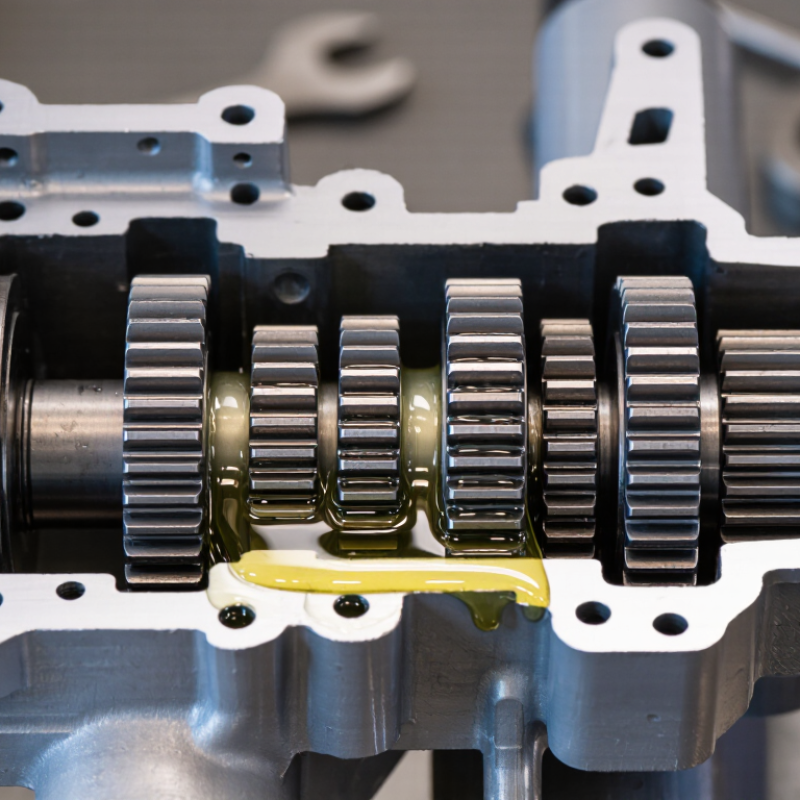
What Is Gear Lube and What Is It Used For?

What Gear Lube Is and How It Works

Gear lube is a specialized lubricant for gearboxes, differentials, axles, and transfer cases. It protects metal gears that face heavy loads, pressure, and repeated sliding contact. Its thicker formulation helps maintain a durable film between gear teeth. That film reduces friction, heat, surface wear, and damaging metal-to-metal contact.

Inside a working gearbox, gear teeth roll and slide against each other. This movement creates pressure and heat, especially during towing, climbing, or sudden acceleration. Extreme-pressure additives react under severe contact and form a protective layer on the metal surface. Anti-wear and corrosion-control additives provide additional support. The lubricant also helps suspend tiny wear particles until service removes them.

Temperature changes matter. Cold gear lube can flow slowly, while overheated fluid may lose protective strength. Water contamination can make the fluid cloudy and encourage rust. A simple check can reveal trouble: inspect the level, smell, color, and drain-plug residue. Fine gray paste may indicate normal wear, but visible metal flakes deserve attention. Using the correct viscosity and specification is essential; engine oil is not automatically a safe substitute. It is tempting to treat gear lube as a “fill it and forget it” fluid. That assumption can fail. Seals age, housings leak, and severe service shortens lubricant life. Records and regular inspections remain useful, even when the machine seems quiet.

The Main Types and Formulations of Gear Lube

Gear lube is a specialized lubricant for enclosed gearboxes, differentials, and industrial transmissions. Its main job is protecting tooth surfaces under pressure, heat, and sliding contact. ISO 12925-1 classifies industrial gear oils by application and performance requirements. Viscosity grades commonly range from ISO VG 68 to ISO VG 1500. Lower grades flow easily in cold conditions. Higher grades create stronger films under heavy loads.

The main formulations include mineral oil, polyalphaolefin, polyalkylene glycol, and ester-based fluids. Mineral oils are economical and suitable for moderate temperatures. Synthetic PAO fluids usually offer stronger oxidation resistance and wider operating ranges.

PAG formulations can reduce friction, but compatibility must be checked carefully. Ester fluids provide strong lubricity and biodegradability in selected applications. AGMA 9005-F16 emphasizes viscosity, extreme-pressure performance, corrosion control, and foam resistance when selecting gear lubricants.

A U.S. Department of Energy maintenance guide estimates that improved industrial maintenance can reduce operating costs by 5–20%. The figure is broad, not a guaranteed gear-lube saving.

Tips: Check the gearbox manual, operating temperature, load, speed, and seal material. Never mix formulations casually. A clean oil sample can reveal wear metals, water, or oxidation before failure. In practice, viscosity selection is often rushed. That deserves a second look. Conditions change, and one universal oil interval rarely fits every gearbox.

Where Gear Lube Is Used in Mechanical Systems

What Is Gear Lube and What Is It Used For?

Gear lube is used where metal teeth transfer torque, speed, and heavy loads. Common locations include enclosed gearboxes, conveyor reducers, industrial mixers, vehicle differentials, and wind-turbine drivetrains. It forms a protective film between meshing gears, reducing scuffing, pitting, heat, and noise.

The U.S. Department of Energy reports that motor-driven equipment uses about 68% of industrial electricity. Many of these systems depend on gear reducers, so lubricant condition affects both reliability and energy use. A 2024 Grand View Research market assessment valued global industrial lubricants at roughly 70 billion dollars in 2023. That figure reflects broad demand, not gear lube alone.

Gear lube must match the system. Low-speed, high-load gears often need higher-viscosity oil and extreme-pressure protection. High-speed reducers may require lower viscosity to limit churning losses. Splash lubrication is common in sealed gearboxes, while large turbines and production lines may use pumps, filters, and coolers. ISO 12925-1 and AGMA guidance help engineers select viscosity and performance categories.

Small details matter.

A darkened oil does not always mean failure, but metallic particles deserve investigation. In field maintenance, incorrect fill levels remain a surprisingly common problem. Too little oil causes overheating; too much can create foam and drag. I have also seen inspection schedules ignore temperature changes, even though a modest rise may signal wear, contamination, or misalignment. A clean sight glass is useful, but it cannot replace oil analysis and vibration checks.

What Is Gear Lube and Where Is It Used?

Gear lube is a high-load lubricant formulated to protect gear teeth, bearings, shafts, and other contacting surfaces from wear, heat, corrosion, and scuffing. The chart shows representative ISO viscosity-grade ranges commonly selected for different mechanical gear systems.

Enclosed industrial gearboxes commonly use ISO VG 150–680 lubricants, while open gears may require heavier ISO VG 460–1000 products because of high loads and exposed operating conditions. Actual selection depends on gear speed, load, temperature, sealing, lubrication method, and equipment specifications.

How Gear Lube Protects Gears and Other Components

Gear lube is a specialized lubricant designed to protect gears under heavy loads, sliding contact, and repeated shock. Its base oil creates a thin film between tooth surfaces. That film reduces metal-to-metal contact, heat, and friction inside the gearbox. Extreme-pressure additives react under severe pressure and help prevent scoring, welding, and surface pitting.

The protection is visible in small details. Correct gear lube leaves a stable film along tooth flanks, even when torque rises suddenly. It also carries heat toward the housing, where the heat can dissipate. The ISO 12925-1 classification system evaluates industrial gear oils by service conditions, including load, temperature, and contamination risk. The U.S. Department of Energy’s Operations & Maintenance Best Practices Guide reports 12–18% potential savings from preventive maintenance compared with reactive maintenance. Lubrication is one practical part of that maintenance strategy.

Cleanliness matters just as much. Dust, water, and metal particles can break the oil film and accelerate micropitting. A 2023 technical report from the International Organization for Standardization emphasizes contamination control in lubricant management, although real factory conditions are less predictable than laboratory tests. That is the difficult part. A longer drain interval may reduce service work, but it can also increase wear when moisture or heat is overlooked. In practice, technicians should inspect oil color, odor, viscosity, and debris, then compare findings with operating temperature and load. Gear lube protects components best when its grade, quantity, and replacement interval match the actual machine—not only the manual.

When to Choose, Apply, and Replace Gear Lube

What Is Gear Lube and What Is It Used For?

Gear lube protects meshing gears from friction, shock loads, heat, and wear. Choosing it starts with the gearbox, not the shelf. Check the manufacturer’s viscosity grade, load rating, operating temperature, and additive requirements. ISO 12925-1 classifies industrial gear lubricants by application and performance. AGMA guidance also links viscosity selection to speed, load, and temperature.

Replace gear lube when testing shows oxidation, water contamination, metal particles, or a sharp viscosity change. Do not rely only on color. Dark oil may still work, while clean-looking oil may contain damaging moisture. Industry lubrication training data often associates 60–80% of machinery failures with poor lubrication practices, including contamination and incorrect application. That figure is not a universal diagnosis, but it deserves attention. A missed inspection can become a noisy bearing, a hot housing, or an expensive shutdown.

Tips: Drain a warm gearbox, but avoid burns. Sample from the active oil zone, not the drain pan’s first flow. Record oil hours, temperature, and particle results. Use clean transfer tools and never mix products without confirming compatibility. In my experience, overfilling is easy to overlook; it can increase churning heat and leakage. Recheck the level after initial operation. The seal may settle.

FAQS

What is gear lube used for?

It lubricates enclosed gearboxes, reducers, differentials, mixers, and turbine drivetrains. It protects meshing teeth. The oil film reduces friction, heat, scuffing, pitting, and noise.

How does gear lube protect gear teeth?

Base oil forms a thin film between contacting surfaces. Extreme-pressure additives support heavily loaded teeth. The film also carries heat toward the gearbox housing.

Which viscosity should a gearbox use?

Choose viscosity according to load, speed, temperature, and the equipment manual. Higher viscosity suits slow, heavily loaded gears. Lower viscosity often suits high-speed systems. This choice is sometimes rushed.

What are the main gear lube formulations?

Common formulations include mineral oil, synthetic fluids, glycol-based fluids, and ester-based fluids. Mineral oil is economical for moderate temperatures. Synthetic fluids usually resist oxidation better. Glycol-based fluids may reduce friction, but seal compatibility requires checking.

Can different gear lubes be mixed?

Do not mix formulations casually. Different fluids may react, separate, or damage seals. Confirm compatibility before adding oil. A small container test may still miss long-term problems.

What happens when a gearbox has too little or too much oil?

Too little oil can cause overheating, scuffing, and accelerated wear. Too much oil may create foam, drag, and excess heat. Check the level on a stable, cool machine when possible. The sight glass helps, but it is not enough.

What signs suggest that gear lube needs investigation?

Dark oil does not always mean failure. Metallic particles, burnt odor, unusual foam, or rising temperature deserve attention. Water may appear as cloudiness or milky color. Check vibration and operating conditions too.

How often should gear lube be replaced?

There is no universal replacement interval. Temperature, load, contamination, speed, and moisture change service life. Oil sampling can reveal wear metals, water, and oxidation. A fixed schedule may be convenient, but not always wise.

Conclusion

Gear Lube is a specialized lubricant designed to reduce friction, heat, and wear between gears and other moving mechanical parts. It works by forming a protective film on contacting surfaces, helping gears operate smoothly under heavy loads, high pressure, and varying temperatures. Depending on the equipment and operating conditions, gear lube may be formulated as mineral-based or synthetic oil and may include additives that improve wear resistance, oxidation stability, corrosion protection, and performance in extreme environments.

Gear lube is commonly used in gearboxes, transmissions, differentials, industrial machinery, agricultural equipment, and other systems that rely on meshing gears. Choosing the correct type requires considering the gear design, load, speed, temperature, and manufacturer’s specifications. Proper application ensures adequate coverage without creating excessive resistance, while regular inspections can reveal contamination, leakage, or performance changes. Gear lube should be replaced when it becomes degraded, contaminated, or reaches the recommended service interval, helping extend component life and maintain reliable mechanical operation.


Ethan

Ethan

Ethan is a seasoned marketing professional with a deep expertise in our company's innovative product line. With a passion for sharing knowledge and insights, he takes the lead in regularly updating our corporate blog, where he explores industry trends, product features, and effective marketing......