Choosing the right Diesel Engine Oil in 2026 is not a matter of picking the thickest bottle or the newest label. A modern diesel may use a particulate filter, turbocharger, and tight oil passages; the wrong specification can compromise protection or after-treatment performance. Start with the engine maker’s manual. Check its viscosity grade, performance category, and any required approval.
Industry standards offer a practical cross-check. The American Petroleum Institute’s published service-category guidance distinguishes CK-4 oils from FA-4 oils: FA-4 is designed for selected newer engines and is not interchangeable with CK-4 in every application. ACEA’s heavy-duty oil sequences provide another technical reference for European-engine requirements. Neither label replaces the manufacturer’s instruction. Read the small print.
API engine-oil licensing manager Kevin Ferrick’s practical guidance, paraphrased, is simple: “Check the certification marks and match the oil category to the engine maker’s requirement.” That matters at a cold morning start, when oil must circulate quickly, and on a long, hot climb, when protection must hold under load. Also consider fuel sulfur limits, drain intervals, and whether the truck spends more time idling or hauling. These details change the decision.
This guide will explain how to compare viscosity, API categories, ACEA sequences, and OEM approvals without relying on bottle claims alone. One caution: a premium price does not prove compatibility. When specifications conflict, pause and verify the engine serial number or consult an authorized service source. The manual is still the best starting point.
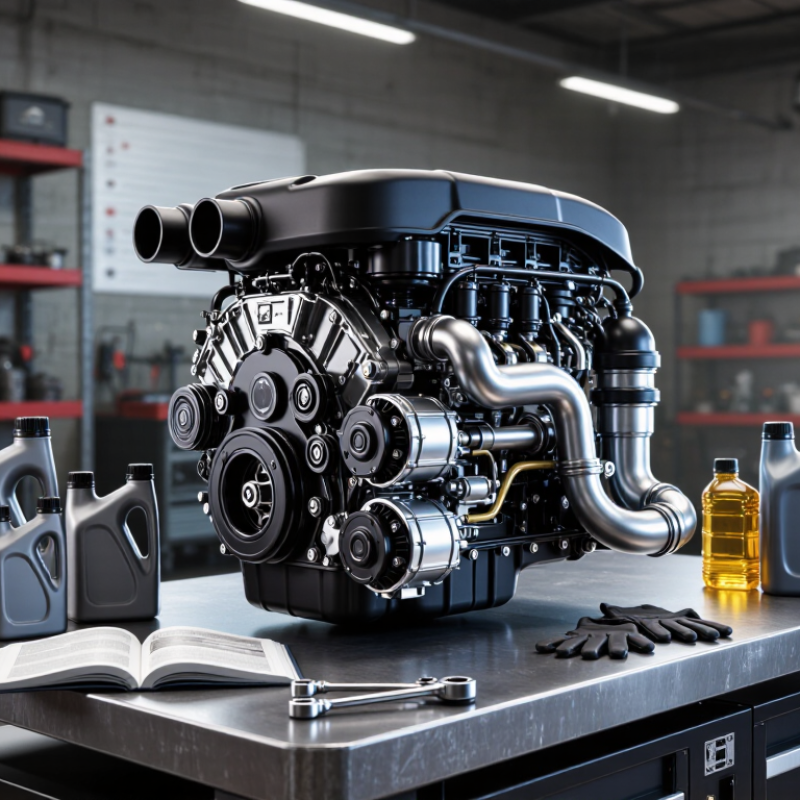
Start with the engine’s real workload, not the bottle’s viscosity grade. A delivery van making cold starts and short trips faces different demands from a highway tractor running steadily for hours. Check the manual for the required performance category and viscosity. API’s 2024 Engine Oil Guide distinguishes CK-4 oils from FA-4 oils; FA-4 is not interchangeable with CK-4. Details matter.
Then confirm the fuel and emissions equipment. Biodiesel blends can affect oil condition in some engines, so follow the manufacturer’s guidance on approved fuel blends and oil-change intervals. For a diesel particulate filter, use oil meeting the specified ash limits. U.S. EPA verified retrofit data report that many diesel particulate filters reduce particulate matter by at least 85%. That makes oil ash control important: accumulated ash does not burn away during normal filter regeneration.
Match the oil to the full setup: engine age, duty cycle, fuel, and after-treatment hardware. A heavy-load machine may need different protection from a lightly loaded pickup, even when both use diesel. ACEA’s 2023 Oil Sequences include separate categories for catalyst-compatible oils, reflecting these hardware differences. Check the exact category in the service manual before buying. Not just viscosity. And manuals can be unclear; verify the engine-specific specification when in doubt.
CK-4 was introduced on December 1, 2016. It is an oil performance category, not a viscosity grade.
No. Check the manual for the required category and viscosity. The numbers alone do not confirm compatibility.
It is designed for high-speed, four-stroke diesel engines, including many newer highway engines and some older models. Verify each engine’s requirements.
Look for the required category and viscosity. Then confirm any additional engine-maker approval in the technical data sheet.
No. They describe different heavy-duty performance requirements. Follow the sequence specified for your engine.
Not necessarily. Check whether the technical data sheet lists the exact approval your engine requires. Small wording matters.
Yes. Long highway pulls, frequent idling, dusty routes, and heavy loads can affect maintenance needs. I might overlook idling, too.
Note the engine model and working conditions, then ask a qualified technician. Keep the product sheet with the records. A little extra checking helps.
Choosing the right Diesel Engine Oil begins with understanding how the engine is used, what fuel it burns, and which emissions equipment it has. These factors affect the oil’s required performance and compatibility. Check the engine maker’s specifications before selecting a product, and confirm that its service category is suitable. CK-4, introduced in 2016, is one heavy-duty category to consider when it matches the engine’s requirements.
Next, verify any required equipment approvals and applicable heavy-duty performance sequences, including ACEA E8 or E11 from 2022 where specified. Choose an SAE viscosity grade according to the engine’s requirements and expected operating temperatures, using SAE J300 as the viscosity classification reference. For oil changes, follow the manufacturer’s limits rather than relying on a universal interval. Operating conditions and oil analysis can help assess oil condition and support interval decisions, but they should be used alongside—not instead of—the engine maker’s guidance.

 Longhai