
7 Tips for Choosing the Best Motorcycle Chain Oil

Time:2026-09-23 Author:Mason
0%

Choosing the right Motorcycle Chain Oil is not a minor maintenance decision. It affects chain life, drivetrain efficiency, riding smoothness, and long-term repair costs. A suitable formula also helps protect the chain from water, dust, heat, and corrosion.

Motorcycle maintenance writer Chris Cantle offers a practical reminder: “The best chain lubricant is the one you apply correctly and regularly.” That advice sounds simple, but riders often overlook it. A premium product cannot rescue a neglected, gritty chain. The lubricant must match your motorcycle, riding conditions, and maintenance habits.

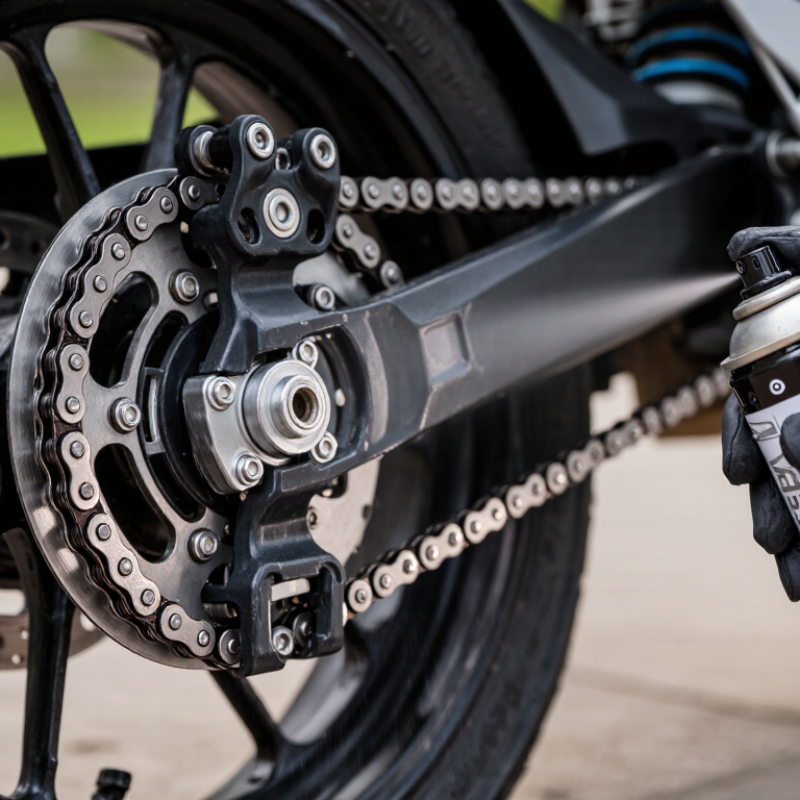
This guide explores seven practical tips for choosing Motorcycle Chain Oil. It considers chain type, weather, riding speed, application method, residue, cleaning needs, and manufacturer recommendations. Look closely at the spray pattern. A narrow nozzle can reach the inner rollers without covering the wheel. Notice the texture, too. Some oils remain wet and attract dust, while others dry into a cleaner protective film.

Small details matter.

An honest choice may not feel perfect. A dry lubricant can reduce fling, yet it may require more frequent application in heavy rain. A thicker oil may offer strong protection, but it can collect road grit. Your riding routine should guide the decision, not advertising alone. Check the motorcycle manual, inspect the chain after application, and adjust your choice after real-world use. That reflective approach creates a safer, cleaner, and more dependable maintenance routine.

7 Tips for Choosing the Best Motorcycle Chain Oil

Understanding Motorcycle Chain Oil and Its Role

Understanding motorcycle chain oil begins with knowing its real job. It reduces metal-on-metal contact, carries heat away, and limits rust after wet rides. It does not repair stretched chains or damaged sprockets. I learned this after treating a noisy chain with extra oil instead of checking its adjustment.

Choose oil designed for your chain type and riding conditions. Check the motorcycle manual before selecting viscosity or application limits. O-ring and sealed chains still need lubrication, but harsh solvents can damage their seals. Look for clear usage instructions and reliable safety information. Less is better. Heavy oil can attract dust, while thin oil may disappear during rain. I prefer applying a small line to the inner side of the lower chain run, where centrifugal force spreads it toward the rollers.

Clean the chain first, then let it dry fully. A soft brush can remove packed grit without scratching nearby surfaces. Apply the oil slowly while turning the rear wheel by hand, with the engine switched off. Wait several minutes, then wipe away the excess with a clean cloth. This reduces fling onto the wheel and helps prevent dirt buildup. Inspect tight spots, rust marks, and stiff links during each cleaning. My own routine is not perfect; rushed applications still happen. A short inspection afterward catches many mistakes before they become expensive repairs.

7 Tips for Choosing the Best Motorcycle Chain Oil - Understanding Motorcycle Chain Oil and Its Role

Tip Selection Factor What to Look For Why It Matters Practical Guidance
1 Chain compatibility A lubricant clearly marked as suitable for sealed chains, including O-ring, X-ring, or Z-ring designs. Sealed chains use internal grease protected by rubber seals. The external lubricant should reduce friction and corrosion without damaging those seals. Read the product label and safety data before use. Avoid products that warn against contact with rubber or elastomer components.
2 Riding environment A formula appropriate for the conditions: road use, frequent rain, dusty roads, off-road riding, or track riding. Water can promote rust, while dust and sand can adhere to excess lubricant and form an abrasive paste. Choose stronger water resistance for wet conditions. For dusty routes, use a lighter application and remove contaminated residue more often.
3 Flตอน? sorry A balanced viscosity that reaches the rollers and side plates without remaining excessively runny. A lubricant that is too thin may sling off quickly; one that is too heavy may attract dirt and make cleaning more difficult. Use the product category recommended for motorcycle chains. Allow spray lubricant to settle before riding and wipe away visible excess.
4 Adhesion and fling resistance A chain-specific formula that adheres after application and is designed to minimize spray onto the wheel and swingarm. Good adhesion helps keep lubricant on the moving chain surfaces, improving coverage and reducing mess. Apply to a cool chain, preferably after a ride when the chain is warm but not hot. Wait for the stated curing or settling time.
5 Corrosion protection Protection against moisture and oxidation, especially for motorcycles used in rain, coastal areas, or winter road conditions. The external plates, rollers, and exposed metal surfaces can corrode even though sealed chain pins and bushings contain internal grease. Inspect the chain after wet rides. Dry it, clean off road contaminants, and reapply a thin, even coating.
6 Application method A spray nozzle or applicator that allows controlled placement on the inner chain run, away from tires and brake components. Controlled application improves coverage and reduces the risk of contaminating tires or brake discs, which can seriously reduce traction or braking performance. Place the motorcycle securely, keep the engine off, rotate the wheel by hand, and protect nearby surfaces with a cloth or shield.
7 Maintenance routine and safety Clear instructions for cleaning, drying, reapplication, storage, and safe use around tires, brakes, heat, and moving parts. Chain oil works best as part of regular maintenance. Over-lubrication can attract abrasive dirt, while under-lubrication can increase wear and corrosion. Check the owner’s manual for inspection intervals. Clean and lubricate after wet rides or when the chain appears dry, dirty, or noisy.
Key reminder: Motorcycle chain oil reduces friction, helps protect exposed metal from corrosion, and supports smooth chain operation. It does not replace correct chain tension, inspection, cleaning, or professional maintenance.

Matching Oil Formulas to Your Motorcycle and Riding Conditions

7 Tips for Choosing the Best Motorcycle Chain Oil

Matching oil formulas to your motorcycle and riding conditions matters more than choosing the thickest spray. A commuter riding through rain needs corrosion protection and water resistance. A dusty trail rider needs a low-tack formula that does not collect grit. ASTM D4172 evaluates lubricant wear through a measured scar diameter, reminding us that protection should be tested, not guessed. Check whether the product publishes test methods and viscosity information. Some labels remain vague.

Match the oil to your chain design. Sealed O-ring and X-ring chains need a formula that will not swell or dry their seals. Older non-sealed chains may accept more penetrating oil, but they still need controlled application. High-speed riding benefits from good adhesion and low fling. Cold weather requires easier flow. Hot conditions demand film stability. Wet roads need stronger rust protection. Never ignore the motorcycle manual.

Apply oil after the chain cools, then wipe away the excess. A thin, even film is usually better than a dripping chain. I once over-lubricated before a dusty ride; the paste-like buildup attracted sand quickly. That mistake changed my routine. The U.S. National Highway Traffic Safety Administration recorded 6,084 motorcyclist fatalities in 2022, so maintenance deserves careful attention, even though chain oil cannot prevent every crash. Inspect slack, rollers, seals, and sprocket teeth too. The right formula helps. It cannot repair worn parts.

Checking Viscosity, Lubrication Performance, and Water Resistance

Choosing motorcycle chain oil starts with riding conditions, not the brightest label. I inspect the chain after a wet ride, then compare how quickly the film disappears. Tip one is viscosity: lighter oil penetrates rollers easily, while heavier oil clings better during fast highway riding. Too thin, and the chain sounds dry. Too thick, and it may attract grit. A practical test is simple: apply a small amount to a clean chain and check sling after a short ride. If oil sprays onto the wheel, the formula may be too fluid or overapplied.

Lubrication performance is more than a glossy surface. Look for smooth articulation, reduced metallic noise, and consistent movement across every link. Tip two is checking penetration; tips three and four involve load protection and wear over several maintenance intervals. A reliable technical data sheet should state operating temperatures, compatibility, and application guidance. I also check whether the oil reaches the pin and bushing, where wear often begins. Water resistance matters for commuters facing puddles, washing, or coastal humidity. Tip five is watching for milky residue or rapid wash-off after water exposure. Tip six is reapplying only after drying, because trapped moisture can encourage corrosion. Tip seven is balancing protection against cleanup time. My judgment is not perfect; a chain can look clean while hiding early stiffness. For that reason, I recheck slack, rollers, and rust spots under good light.

Evaluating Application Methods, Packaging, and Product Compatibility

7 Tips for Choosing the Best Motorcycle Chain Oil

Evaluating Application Methods, Packaging, and Product Compatibility

Tip 1: Choose an oil with a narrow applicator. It helps reach each roller without flooding the wheel. Tip 2: Apply oil after cleaning, when the chain is completely dry. A damp surface can trap grit. Tip 3: Rotate the rear wheel slowly by hand, then coat the inner chain run. I have found this method reduces waste and improves coverage. Do not rush.

Tip 4: Inspect the packaging before buying. A sealed cap, clear label, and readable batch information suggest better handling control. Tip 5: Select packaging that suits your storage space. Small bottles are convenient, but they may run empty during frequent riding. Larger containers can leak if stored carelessly. I once underestimated this detail and regretted the oily toolbox.

Tip 6: Check compatibility with your chain type and seal materials. O-ring, X-ring, and standard chains may respond differently to solvents or additives. Tip 7: Read the application temperature range and drying guidance. A thick oil may resist rain, yet attract dust on dry roads. A lighter formula may feel cleaner, but require more frequent application. Product claims deserve practical testing. Start with a small amount, observe noise and fling, and adjust the interval after several rides.

7 Tips for Choosing the Best Motorcycle Chain Oil

Compare common chain-oil selection factors by application method, packaging, and product compatibility.

The scores use a practical 1–5 evaluation scale: higher values indicate better suitability for that criterion. Aerosol products generally provide broad coverage, drip applicators support precise placement, and squeeze bottles offer a balance of control and portability. Always verify compatibility with the chain manufacturer’s maintenance guidance and avoid contaminating brake components.

Building a Practical Chain Maintenance and Reapplication Routine

Building a Practical Chain Maintenance and Reapplication Routine

A clean chain needs a repeatable routine, not occasional heavy spraying. In workshop practice, I inspect the chain after wet rides, dusty routes, or long highway trips. Wipe it with a clean cloth first. Check for stiff links, rust marks, damaged rollers, and unusual slack.

NHTSA’s Traffic Safety Facts: Motorcycles, 2022, recorded 6,084 motorcyclist deaths in the United States. Chain condition cannot prevent every crash, but poor maintenance can reduce control and mechanical reliability.

Tip 1: Apply oil after riding, not before.

Warm links accept lubricant more evenly. Park the motorcycle safely, then rotate the rear wheel slowly by hand. Aim at the inner plates and rollers. Avoid soaking the tire, brake disc, or chain surface. Remove excess oil after ten minutes. More oil attracts more grit. That part is easy to underestimate.

Tip 2: Follow the motorcycle manufacturer’s slack measurement.

Do not copy another model’s setting. Inspect slack at several wheel positions because chains can wear unevenly. The Motorcycle Safety Foundation recommends regular pre-ride checks, including drivetrain awareness and control inspection. Reapply after rain, washing, or roughly 300 to 600 miles, depending on road dust and oil loss. That interval is only a starting point. My own routine sometimes fails after muddy rides, so I now inspect sooner instead of trusting the mileage alone.

FAQS

What does motorcycle chain oil actually do?

It reduces metal contact, carries away heat, and helps limit rust after wet rides. It cannot repair stretched chains or damaged sprockets.

Should sealed chains still receive lubrication?

Yes. Sealed chains still need suitable lubrication. Avoid harsh solvents because they may damage the seals.

Where should chain oil be applied?

Apply a thin line to the inner side of the lower chain run. This helps centrifugal force move oil toward the rollers.

How should the chain be prepared before oiling?

Clean the chain with a soft brush and let it dry completely. Packed grit can hide stiff links and rust marks.

Is it safer to apply more oil?

Usually, no. Heavy oil attracts dust, while excess lubricant can fling onto the wheel. Less is often better.

When should chain oil be applied?

Apply it after riding, while the links are warm. Wait several minutes, then wipe away excess oil with a clean cloth.

How can I apply chain oil safely?

Switch the engine off and rotate the rear wheel by hand. Keep oil away from the tire and brake disc. Safety matters.

How often should the chain be lubricated?

Inspect it after rain, washing, dusty roads, muddy routes, or long highway trips. Reapplication around 300 to 600 miles is only a starting point.

How should chain slack be checked?

Follow the motorcycle manual and measure slack at several wheel positions. Chains can wear unevenly. I sometimes trust mileage too much, and that mistake needs correction.

Conclusion

Choosing the right Motorcycle Chain Oil is essential for maintaining smooth power transfer, reducing friction, and extending chain and sprocket life. Start by understanding how chain oil protects moving parts from wear, dirt, and corrosion. Then match the formula to your motorcycle and riding conditions, considering factors such as commuting, touring, off-road use, temperature, dust, and rain. A suitable product should offer the right viscosity, reliable lubrication, and strong water resistance without attracting excessive dirt.

Practical features also matter. Evaluate whether the application method allows precise, even coverage, and choose packaging that is easy to store and use. Confirm that the oil is compatible with your chain and related components before applying it. Finally, establish a simple maintenance routine: clean the chain when necessary, apply a moderate amount of oil to the rollers and links, allow it to settle, and wipe away excess. Regular inspections and timely reapplication will help preserve performance and improve riding reliability.

Mason

Mason

Mason is a seasoned marketing professional with a deep expertise in the company's offerings and a passion for driving brand awareness. With a strong background in digital marketing strategies, he has an innate ability to connect with diverse audiences and effectively communicate product benefits.......