How to Choose the Best Compressor Screw Oil in 2026

Time:2026-10-13 Author:Aria
0%

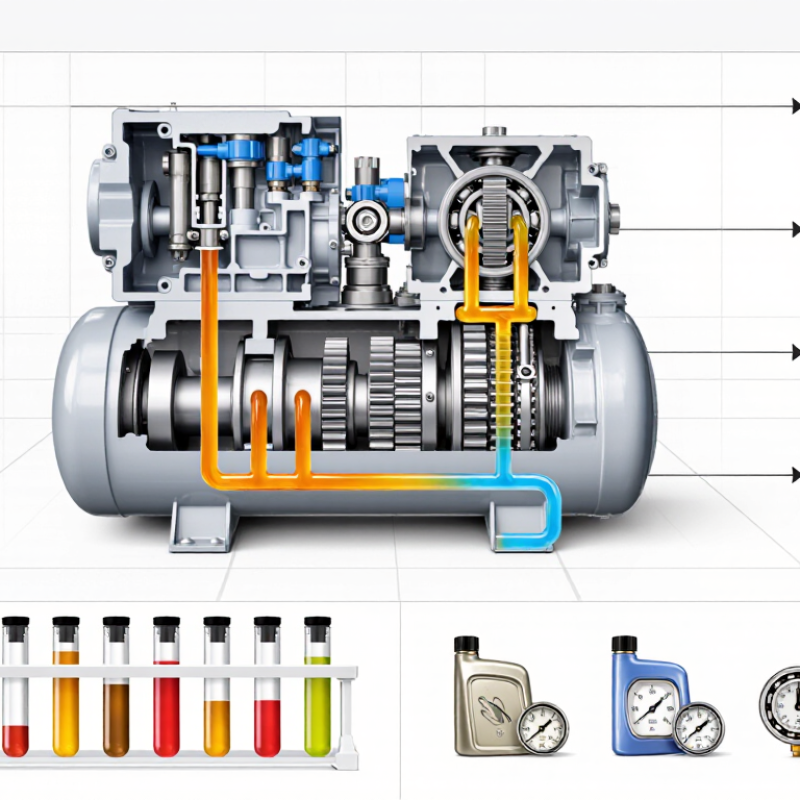
Choosing the right Compressor Screw Oil in 2026 is a practical engineering decision, not a simple purchasing task. The oil moves through every critical part of a rotary screw compressor. It cools the air end, seals internal clearances, reduces friction, and carries contamination toward the separator.

Compressor engineer Heinz P. Bloch has emphasized, “Lubricant selection is a design decision, not a maintenance afterthought.” That principle remains highly relevant. A reliable choice begins with the compressor manufacturer’s specification. Then, operating conditions must be examined closely. Discharge temperature matters. Ambient dust matters. So do humidity, load cycles, oil carryover limits, and service intervals.

Synthetic and mineral formulations do not behave identically. A synthetic Compressor Screw Oil may resist oxidation better during high-temperature operation. However, it may not suit every seal, additive package, or compressor design. Viscosity is important, but it is not the whole answer. Base oil chemistry and additive compatibility deserve equal attention.

Small details often reveal large risks. A darkened oil sample, rising separator pressure, or unusual odor can signal trouble. Testing an oil sample can expose wear metals before failure becomes obvious. Even experienced maintenance teams sometimes choose by brand familiarity alone. That is understandable, but incomplete.

There is no perfect oil for every workshop. The best selection balances manufacturer approval, equipment age, climate, duty cycle, cleanliness, and total operating cost. This guide examines those factors with practical evidence, technical reasoning, and a healthy willingness to question convenient assumptions.
How to Choose the Best Compressor Screw Oil in 2026

Understand the Role of Screw Compressor Oil in System Performance

How to Choose the Best Compressor Screw Oil in 2026

Understand the Role of Screw Compressor Oil in System Performance

Screw compressor oil does far more than reduce friction between rotating screws. It creates a sealing film, carries heat away, and protects metal surfaces from corrosion. In a busy workshop, this film separates the rotors while discharge temperatures rise during long operating cycles. Small oil failures can become expensive problems. A damaged bearing may begin with oxidation, poor viscosity control, or contaminated lubricant.

The correct oil depends on compressor design, operating temperature, air quality, and service intervals. Check the equipment manual for viscosity and additive requirements before making a selection. Oil that is too thin may weaken sealing performance. Oil that is too thick can increase power consumption during startup. Synthetic formulations often support longer service periods, but they still need regular analysis. A clean sample can reveal moisture, wear particles, and chemical degradation before an alarm appears.

Look closely at the oil separator and filter.

A practical inspection should include oil level, color, smell, and discharge temperature. Dark oil is not always unusable, and clear oil is not always healthy. I once treated a normal-looking level as proof of good lubrication; later testing showed moisture contamination. That mistake changed my maintenance routine. Record operating hours, top-up volumes, and temperature trends. Avoid mixing oils unless compatibility is confirmed by qualified technical documentation. Good selection is careful, evidence-based, and sometimes less certain than a sales description suggests.

Identify Oil Types and Formulation Differences for 2026

Selecting the best compressor screw oil in 2026 starts with understanding oil types and formulation differences.

Mineral oil remains practical for moderate temperatures and shorter service intervals. Synthetic PAO oil usually offers stronger oxidation resistance, cleaner operation, and better low-temperature flow. Ester-based fluids can provide excellent lubrication and deposit control, but compatibility must be checked carefully. Some PAG formulations absorb moisture and may not suit every compressor system.

The base oil is only part of the decision. Additives control rust, foam, wear, oxidation, and varnish formation. A well-balanced formulation should also work with the compressor’s seals, hoses, and air-oil separator. Energy efficiency matters more now, but thinner oil is not automatically better. Viscosity must match the operating temperature, load, and clearance design. Maintenance teams should compare discharge temperature, oil carryover, and filter condition after changing fluids. No oil is perfect. A lower purchase price can hide shorter drain intervals or heavier deposits.

Tips: Check the equipment manual and the oil’s technical data sheet. Do not mix different formulations without professional compatibility testing. Record oil color, smell, temperature, and running hours during inspections. A small sample sent for laboratory analysis can reveal moisture, metal particles, or oxidation before serious damage occurs. Testing costs money, but guessing can cost more.

Match Oil Specifications to Compressor Design and Operating Conditions

How to Choose the Best Compressor Screw Oil in 2026

The correct screw oil must match the compressor’s design, not merely its price. Rotary screw units may require different viscosity grades, additive systems, and base fluids. ISO 6743-3 classifications help identify suitable compressor lubricant categories. However, the equipment manual remains the controlling reference. A high-temperature oil can fail in a poorly ventilated room. A low-viscosity oil may increase internal leakage under heavy load. Small details matter.

The U.S. Department of Energy’s Compressed Air Systems Sourcebook reports that compressed air can consume about 10% of industrial electricity. It also notes that leakage may waste 20–30% of compressor output in poorly maintained systems. Oil selection affects this cost through deposits, foaming, separator loading, and carryover. Check discharge temperature, operating hours, moisture exposure, and start-stop frequency. In my field experience, operators often extend drain intervals too far. That decision can look efficient. It may quietly increase oxidation and bearing wear.

Tips:

Compare the required ISO viscosity grade with actual ambient temperatures. Confirm compatibility with seals, filters, and separator elements. For humid environments, prioritize rust protection and water separation. Review oil analysis results, including viscosity change, oxidation, and particle levels. The DOE also recommends leak surveys and proper maintenance because lubricant quality cannot repair a leaking network. One overlooked issue remains contamination from the previous oil. A complete drain and flushing procedure may be necessary, though some systems still retain old lubricant in low points.

Compare Key Selection Factors: Viscosity, Additives, and Service Life

How to Choose the Best Compressor Screw Oil in 2026

Viscosity should match the compressor’s temperature, load, and operating environment. ISO VG 32, 46, and 68 oils behave differently during cold starts and sustained heat. A thicker oil is not automatically safer. Excessive viscosity can increase power demand and delay circulation through narrow passages. The U.S. Department of Energy’s Compressed Air Sourcebook reports that leaks can consume 20–30% of compressor capacity. That wasted load also increases heat and oil stress. Check discharge temperature, not only the room temperature.

Additives determine how the oil handles oxidation, rust, foam, and wear. Look for documented performance against oxidation and deposit formation, supported by ASTM or ISO test methods. Anti-wear chemistry may protect heavily loaded bearings, but excessive additive treatment can harm seals or air-oil separators. Compatibility deserves attention. A small sample inspection can reveal darkening, varnish, or unusual odor before failure becomes expensive. I have seen operators trust color alone. That is weak evidence.

Service life depends on filtration, moisture control, temperature, and duty cycle. The European Commission’s JRC Best Available Techniques documents identify compressed air as a significant industrial energy user, making efficiency losses financially visible. Oil-change intervals should follow laboratory analysis and equipment guidance, not a convenient calendar date. Test viscosity, acid number, particle count, and water content. ASTM D445 and ASTM D664 can support these checks. Results are useful, but not perfect. Sampling from a cold drain can distort the picture. A warm, clean sample is more credible.

How to Choose the Best Compressor Screw Oil in 2026 - Compare Key Selection Factors: Viscosity, Additives, and Service Life

Selection Factor Typical Data or Option Why It Matters Practical Selection Guidance
ISO viscosity grade ISO VG 32, 46, 68, or 100 are common compressor-oil grades. The number represents the nominal kinematic viscosity at 40°C in mm²/s. Viscosity affects oil-film strength, internal leakage, heat transfer, starting load, and separator performance. Use the compressor manufacturer’s specified grade first. A lower grade may suit cold starts; a higher grade may suit higher temperatures, but changing grade without approval can increase wear or power consumption.
Operating temperature Many oil-injected screw compressors operate with an oil temperature roughly between 70°C and 100°C, depending on design and load. Higher temperature accelerates oxidation, deposit formation, viscosity change, and additive depletion. For sustained high-temperature service, select an oil with strong oxidation resistance and verify that cooling, ventilation, and oil separation systems are operating correctly.
Base-oil type Mineral oil; hydroprocessed or Group III-type oil; polyalphaolefin-based synthetic oil; ester-containing synthetic formulations. Base oil influences oxidation stability, low-temperature flow, volatility, deposit control, and compatibility with seals. Mineral oil can be economical for moderate duty. Synthetic formulations are generally more suitable for high temperatures, extended drains, frequent cycling, or difficult ambient conditions.
Anti-oxidant system Formulations may use combinations of hindered phenol, aminic, or other oxidation-inhibiting additives. Oxidation can create acids, varnish, sludge, and deposits that restrict oil flow and reduce compressor efficiency. Prioritize documented oxidation-control performance and confirm suitability for the compressor’s discharge temperature and drain interval.
Rust and corrosion protection Rust inhibitors and corrosion-control additives are especially important where humid intake air or condensate is present. Water and acidic oxidation products can corrode rotors, bearings, housings, and other ferrous components. Choose a formulation with tested rust protection and monitor drains, aftercoolers, and moisture separators in humid environments.
Anti-wear performance Anti-wear chemistry helps protect bearings, gears, and loaded contact surfaces during start-up and continuous operation. Insufficient film protection can increase metal contact, wear debris, vibration, and unplanned downtime. Check technical documentation for appropriate anti-wear performance and confirm that the formulation is approved for the compressor design.
Foam control and air release Effective defoaming and rapid air release are required in oil-injected screw compressors. Persistent foam or entrained air can reduce lubrication quality, disturb oil-level readings, and impair oil separation. Use an oil tested for foam tendency and air-release behavior. Avoid uncontrolled mixing with products that use incompatible defoamer chemistry.
Water tolerance and demulsibility Water-separating oils are generally preferred where condensation or high humidity is expected. Free water can reduce film strength, promote rust, accelerate additive depletion, and cause premature oil degradation. Select strong water-separation performance for humid service, and remove accumulated condensate through routine draining and maintenance.
Seal and material compatibility Compatibility depends on the base oil, additives, temperature, and elastomer materials used in the compressor. Incompatible oil may cause seal shrinkage, swelling, hardening, leakage, or shortened seal life. Verify compatibility with seals, hoses, coatings, and separator materials before switching from one formulation or base-oil type to another.
Volatility and separator performance Lower volatility and correct viscosity can help control oil carryover, although separator design and condition are also decisive. High oil carryover increases oil consumption, contamination risk, and operating cost. Evaluate the oil together with the separator element, differential pressure, discharge temperature, and compressor loading pattern.
Indicative service interval Mineral formulations: often about 2,000–4,000 operating hours. Synthetic formulations: commonly about 4,000–8,000 hours; some approved products may support longer intervals. Oil life depends on temperature, moisture, contamination, load, ventilation, and formulation stability—not on base oil alone. Treat these figures as planning ranges only. Follow the equipment manual and confirm extension through oil analysis, acidity, viscosity, particle, and oxidation monitoring.
Oil-analysis indicators Viscosity change, acid number, oxidation or nitration indicators, water content, particle count, ferrous debris, and additive depletion. Trend data can reveal degradation and component wear before visible deposits, high temperature, or vibration develops. Establish a baseline with fresh oil and sample at consistent intervals, especially when operating conditions or oil type change.
Important: Service-life ranges are indicative industry planning values, not universal guarantees. The compressor manual, approved lubricant specification, actual operating conditions, and oil-analysis results should determine the final product and change interval.

Verify Compatibility, Maintenance Needs, and Total Operating Cost

How to Choose the Best Compressor Screw Oil in 2026

Choosing screw compressor oil starts with compatibility, not price. Check the compressor manual for viscosity, base-oil type, and additive requirements. A mismatch may damage seals, increase deposits, or reduce separator performance. Confirm compatibility with hoses, gaskets, coatings, and any remaining oil before switching products. Even small chemical differences can create trouble.

Maintenance needs should match the working environment. High discharge temperatures, dusty rooms, moisture, and frequent cycling shorten oil life. Track oil color, odor, viscosity, and particle levels during scheduled inspections. Laboratory analysis gives stronger evidence than appearance alone. Set drain intervals from operating data, not habit. A fixed schedule may be convenient, but it can waste usable oil or miss early degradation. I have seen maintenance plans look perfect on paper and fail under seasonal heat.

Tips: Keep a clean sample bottle nearby. Record hours, temperature, top-ups, and filter changes. Never mix oils without written compatibility confirmation. Calculate total operating cost across the service period. Include oil volume, filters, labor, disposal, energy use, and downtime. A cheaper fluid may require more frequent changes or increase oil carryover. That small purchase saving can disappear quickly. Compare cost per operating hour, not cost per container. Review the result after one service cycle, because real equipment data can challenge the original estimate.

FAQS

What does screw compressor oil do?

It reduces friction between rotating screws. It also forms a sealing film and carries heat away. Clean oil protects metal surfaces from rust and wear.

How should I choose compressor screw oil in 2026?

Check the equipment manual first. Match the required viscosity, additives, base fluid, and operating temperature. Price alone is not enough.

Is synthetic oil always the best choice?

Not always. Synthetic oil often resists oxidation and flows better at low temperatures. Mineral oil may suit moderate conditions and shorter service intervals.

Can different compressor oils be mixed?

Avoid mixing them without confirmed compatibility. Different additives may react or damage seals. A complete drain and flushing process may be needed.

What oil problems can harm a compressor?

Oil that is too thin may weaken sealing. Oil that is too thick can increase startup power use. Moisture, oxidation, foam, and particles can accelerate bearing wear.

Which inspection details should technicians record?

Record oil level, color, smell, discharge temperature, running hours, and top-up volume. Inspect the filter and separator closely. Small changes matter.

Does dark oil always need replacement?

No. Dark oil is not automatically unusable. Clear oil may still contain moisture or chemical damage. Laboratory testing gives better evidence.

How do operating conditions affect oil selection?

Consider ambient temperature, humidity, load, ventilation, and start-stop frequency. Hot or damp rooms need stronger oxidation and rust protection. Conditions change.

Why is oil analysis useful?

A small sample can reveal moisture, metal particles, oxidation, and viscosity changes. Testing costs money. Guessing may cost more.

Can good oil fix an inefficient compressed-air system?

No. Lubricant cannot repair air leaks or overloaded equipment. Check leakage, separator loading, discharge temperature, and maintenance intervals. I once trusted oil level too much. Testing proved that assumption wrong.

Conclusion

Choosing the right Compressor Screw Oil in 2026 is essential for protecting equipment, maintaining efficiency, and reducing unexpected downtime. The oil must provide reliable lubrication, cooling, sealing, and contamination control under the compressor’s actual operating conditions. Start by understanding the compressor design, workload, ambient temperature, pressure range, and duty cycle. Then compare suitable oil types and formulations, including differences in viscosity grades, additive packages, oxidation resistance, and resistance to deposits or moisture.

A successful selection should balance technical performance with practical maintenance and total operating cost. Check that the oil is compatible with seals, filters, internal materials, and any existing lubricant before use. Consider expected service life, oil-change intervals, monitoring requirements, and disposal procedures, rather than choosing solely by purchase price. By matching specifications to system demands and evaluating long-term reliability, operators can improve energy performance, extend component life, simplify maintenance, and achieve a more predictable overall cost.


Aria

Aria

Aria is a dedicated marketing professional with a deep passion for innovative strategies and a keen understanding of our company's product offerings. With a wealth of experience in the industry, Aria excels at crafting engaging content that highlights the unique features and benefits of our......