How to Choose a Top China Differential Fluid Supplier?

Time:2026-10-08 Author:Isabella
0%

Choosing a reliable China Differential Fluid supplier requires more than comparing prices on a marketplace. Vehicle drivetrains face heat, pressure, oxidation, and gear-tooth wear during every journey. The wrong formulation may look acceptable in a sample bottle, yet fail after extended loading.

The market is substantial. OICA reported 93,546,599 motor vehicles produced worldwide in 2023. That production scale increases demand for dependable axle and gear lubrication across passenger, commercial, and off-road applications. SAE J2360 provides a recognized performance framework for automotive gear lubricants, while API classifications help buyers evaluate relevant performance claims. These standards do not replace testing, however. They create a common language for technical review.

A qualified supplier should provide a traceable technical data sheet, batch records, factory test results, and evidence of quality-system control. Ask about viscosity, extreme-pressure performance, seal compatibility, oxidation stability, and low-temperature behavior. Then compare the data with your vehicle maker’s specifications. Request an independent laboratory analysis when the order is commercially important.

Look beyond the brochure.

Factory experience matters. A supplier with controlled blending, clean filling lines, calibrated instruments, and export documentation is easier to audit. Site photographs help, but an on-site or third-party inspection offers stronger evidence. No supplier ranking is perfect. Even a careful checklist can miss inconsistent raw materials or weak after-sales support. That is why pilot orders, retained samples, and periodic retesting remain practical safeguards when selecting a China Differential Fluid partner.
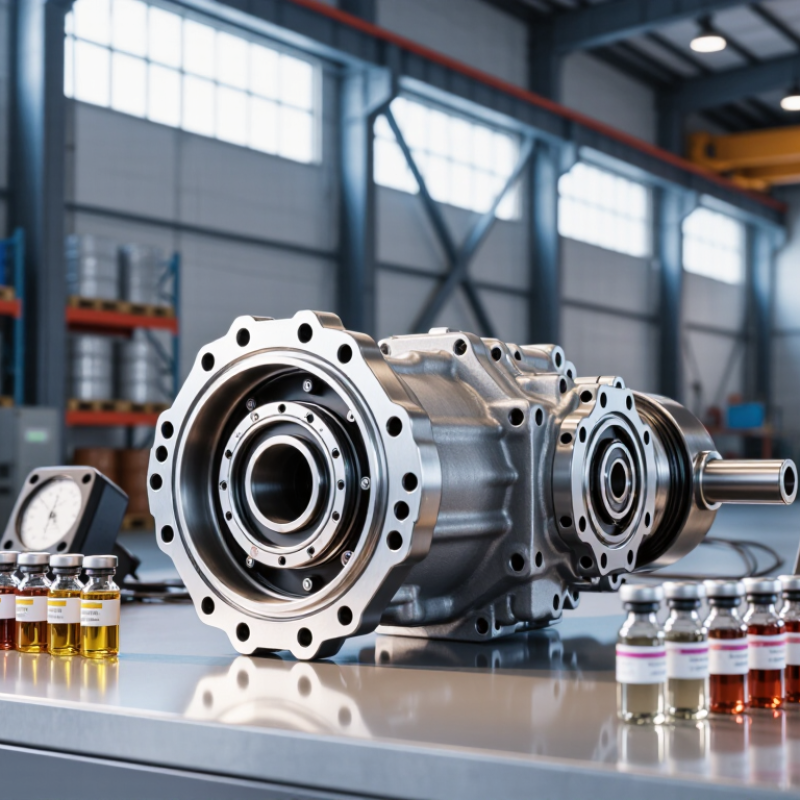
How to Choose a Top China Differential Fluid Supplier?

Define Differential Fluid Types by API GL-4, GL-5, and SAE J306 Grades

How to Choose a Top China Differential Fluid Supplier?

API GL-4 and GL-5 describe gear oil performance, not viscosity. GL-4 suits many manual transmissions and moderately loaded gears. GL-5 offers stronger extreme-pressure protection for hypoid differentials. However, GL-5 is not automatically suitable for every gearbox. Its additive chemistry may affect synchronizer materials. Always compare the vehicle maker’s specification before ordering.

SAE J306 defines viscosity grades, such as 75W-90, 80W-90, and 75W-140. The “W” grade indicates cold-temperature performance. The second number describes viscosity at operating temperature. A 75W-90 fluid may support easier winter starts and stable protection during highway driving. A 75W-140 grade can suit heavily loaded axles, towing, or high-temperature service. Viscosity is not a simple quality ranking.

Check the supplier’s technical data sheet, certificate of analysis, and batch traceability records. Ask for test methods, flash point data, viscosity results, and low-temperature measurements. Confirm whether the fluid includes limited-slip additives when the differential requires them. A small sample can reveal packaging leaks, labeling errors, or unusual odor before bulk purchasing. I once treated a viscosity grade as a complete product definition. That was too narrow. Additive compatibility, material testing, and consistent blending matter just as much. A reliable supplier should explain these limits clearly, not promise one fluid for every axle.

Verify OEM Approvals, ASTM Tests, and Performance Data Before Selection

A reliable China differential fluid supplier should show more than a polished product sheet. Ask for current OEM approval letters, approval numbers, and the exact viscosity grade tested. A factory may claim “OEM compatible,” but compatibility is not formal approval. Check whether the approval covers your axle design, temperature range, and service interval.

Independent test evidence matters. ASTM D445 measures kinematic viscosity, while ASTM D130 evaluates copper corrosion. ASTM D4172 can indicate extreme-pressure wear performance. ASTM D5183 helps assess scuffing resistance under controlled conditions.

Request complete laboratory reports, including test temperature, batch number, equipment, and failure limits. Partial screenshots are weak evidence. SAE J2360 qualification records can add useful context for automotive gear lubricants.

Look for batch traceability. It should connect the drum to raw materials, blending records, filtration, and final inspection.

In real procurement work, small details expose risk: a missing test date, inconsistent sulfur data, or a certificate without laboratory accreditation. Industry lubricant outlook reports published by Kline and other specialist analysts consistently identify quality consistency and regulatory compliance as major purchasing concerns. That matches field experience, although market reports rarely reveal axle-level performance.

Do not rely on one successful sample. Require retain samples and periodic retesting. Also compare oxidation stability after thermal aging, not only fresh-fluid results.

A supplier can pass one test and still disappoint in winter service. That possibility deserves attention.

Assess Supplier Quality Systems Through ISO 9001 and Batch Traceability

How to Choose a Top China Differential Fluid Supplier?

A reliable supplier should prove its quality system, not merely display an ISO 9001 certificate. The ISO Survey 2022 recorded 1,265,216 valid ISO 9001 certificates worldwide, showing broad adoption but not guaranteed product quality. During supplier audits, check the certificate scope, issuing body, expiry date, and production site. ISO 9001 clause 8.5.2 also supports identification and traceability when required. This matters when a differential fluid batch shows unusual viscosity, odor, or metal contamination.

Batch traceability should work like a clear paper trail. Each container needs a batch code linked to raw materials, blending records, laboratory results, filling dates, operators, and shipment details. Request a certificate of analysis for several recent batches, not one attractive sample. Compare viscosity, density, appearance, and low-temperature performance against the agreed specification. Ask how long retained samples remain available. A supplier may answer confidently, yet weak records can appear during a recall simulation. That uncomfortable test is useful.

Tips: Visit the plant if possible. Select one batch code and trace it backward, then forward to the customer. Review calibration records and nonconformance reports. Ask for corrective-action evidence, not promises. I would also repeat testing through an independent laboratory, because paperwork can look perfect while process variation remains hidden. No system is flawless. A thoughtful supplier admits gaps and shows how they are corrected.

Compare MOQ, Lead Times, Packaging, and Export Capacity Using Buyer Data

Choosing a top China differential fluid supplier requires more than checking price lists. Buyer data often reveals the real differences. Compare at least three suppliers using the same request sheet. Record MOQ, quoted lead time, packaging options, and export history. A low MOQ may support market testing, but it can increase the unit cost. A 30-day lead time sounds acceptable until production delays add another two weeks.

Ask for recent order records, not only promotional claims. Reliable suppliers should explain how many export shipments they handle monthly, which destinations they serve, and how they manage customs documents. Check whether their packaging protects containers during long ocean transit. Strong packaging includes sealed bottles, readable batch labels, outer cartons, and moisture-resistant pallets. Request photos from actual shipments.

Tips: Build a simple comparison table. Mark promised and verified data separately. Ask for a sample before placing a large order. Confirm whether lead times include formulation, filling, inspection, and loading. Small details matter.

Buyer feedback can expose weak points that factory audits miss. Some suppliers communicate well before payment but respond slowly after production begins. That risk deserves attention. I would also review complaint rates, replacement procedures, and batch traceability. No supplier scores perfectly. A dependable choice balances cost with repeatable delivery, clear documentation, and realistic capacity. Export capacity should match your forecast, not merely look impressive on paper. Mistakes happen when buyers trust one quotation too quickly.

Audit Samples for ASTM D130 Corrosion, D892 Foaming, and Viscosity Results

How to Choose a Top China Differential Fluid Supplier?

Audit Samples for ASTM D130 Corrosion, D892 Foaming, and Viscosity Results

A capable supplier should welcome independent sample testing, not only provide a polished certificate. Request sealed differential fluid samples from a named production batch. Record the batch number, filling date, packaging condition, and sample temperature. These details make later comparisons more reliable. Ask for the complete test method, laboratory identity, equipment calibration dates, and original data.

ASTM D130 copper strip corrosion testing can reveal whether additives attack copper-containing components. Inspect the strip photographs, rating, test temperature, and exposure time. Do not accept “pass” without the numerical or classified result.

ASTM D892 foaming testing deserves similar attention. Check foam volume after blowing and the collapse period. A fluid that foams heavily may complicate lubrication inside a working axle.

Viscosity results must show the test temperature and measurement method. A single number is incomplete. Compare the supplier’s result with your required operating range, then retest samples from different lots. In practical audits, small viscosity shifts can expose blending or storage problems.

No audit is perfect. One weakness in my earlier checks was trusting a recent certificate too quickly. Now I compare documents, laboratory records, and physical samples together.

Suppliers that answer technical questions clearly usually deserve closer consideration. Suppliers that avoid raw evidence need caution.

FAQS

What approval documents should a differential fluid supplier provide?

Request current approval letters, approval numbers, and the tested viscosity grade. Compatibility is not formal approval. Check axle design, temperature range, and service interval coverage.

Which laboratory tests can help evaluate differential fluid quality?

Viscosity testing shows flow behavior at controlled temperatures. Copper corrosion testing checks possible metal damage. Wear and scuffing tests indicate protection under pressure. Ask for complete reports, not cropped screenshots.

What details should a complete laboratory report include?

The report should show test temperature, batch number, equipment, and failure limits. It should also identify the laboratory. Missing dates make the evidence weaker.

How does batch traceability protect buyers?

A batch code should connect each drum with raw materials and blending records. It should also link to filtration, inspection, filling, and shipment details. This paper trail helps investigate unusual odor, viscosity, or contamination.

How can buyers check whether an ISO-based quality system is useful?

Review the certificate scope, issuing body, expiry date, and production site. Do not trust the certificate alone. Ask for calibration records and corrective-action evidence. Paperwork can look perfect.

What supplier records should buyers compare?

Request certificates of analysis from several recent batches. Compare viscosity, density, appearance, and low-temperature performance. Check how long retain samples remain available. One attractive sample proves little.

How should buyers compare minimum orders and delivery times?

Use the same request sheet for at least three suppliers. Record minimum order quantity, lead time, packaging, and export history. Confirm whether the quoted time includes formulation, filling, inspection, and loading. A thirty-day promise may become six weeks.

What packaging details matter during ocean transport?

Look for sealed bottles, readable batch labels, strong cartons, and moisture-resistant pallets. Ask for photos from actual shipments. A clean sample does not guarantee safe delivery. I would inspect one shipment personally, if possible.

Conclusion

Choosing a reliable China Differential Fluid supplier requires more than comparing prices. First, define the required fluid according to API GL-4 or GL-5 specifications and the appropriate SAE J306 viscosity grade. Then verify whether the supplier can provide OEM approvals, ASTM test reports, and clear performance data that match your application. A dependable quality system, supported by ISO 9001 certification and complete batch traceability, helps ensure stable production and consistent product quality.

Buyers should also compare MOQ, lead times, packaging options, export experience, and delivery capacity using practical purchasing data. Before placing a large order, request samples and review test results for ASTM D130 copper corrosion, ASTM D892 foaming, and viscosity performance. Independent sample testing can further confirm whether the product meets technical requirements. By combining technical verification, supplier audits, commercial evaluation, and transparent documentation, buyers can reduce procurement risks and select a Differential Fluid partner capable of supporting long-term, reliable supply.

Isabella

Isabella

Isabella is a dedicated marketing professional with a sharp focus on driving brand growth and engagement through strategic content creation. With an extensive background in digital marketing, she combines her passion for storytelling with her keen understanding of industry trends to deliver......