When it comes to machinery maintenance, choosing the right oil is critical. Anti-Wear Hydraulic Oil stands out as an essential component for optimal performance. This specialized oil protects surfaces from wear, extending the life of hydraulic systems. Equipment operators often overlook the importance of selecting suitable oil grades, which can lead to costly repairs and downtime.
Over time, machinery experiences wear and tear. Anti-Wear Hydraulic Oil helps mitigate these effects, enhancing efficiency. Its unique formulation reduces friction, allowing components to function smoothly. Machinery running on this oil operates at higher capacities and lower temperatures, improving overall productivity.
While some may opt for cheaper alternatives, this can be a false economy. Low-quality oils can lead to premature failures. Investing in Anti-Wear Hydraulic Oil is a proactive approach. It fosters reliability and performance, ensuring equipment remains in peak condition for longer periods. Thus, understanding the benefits of this oil is vital for anyone involved in machinery management.
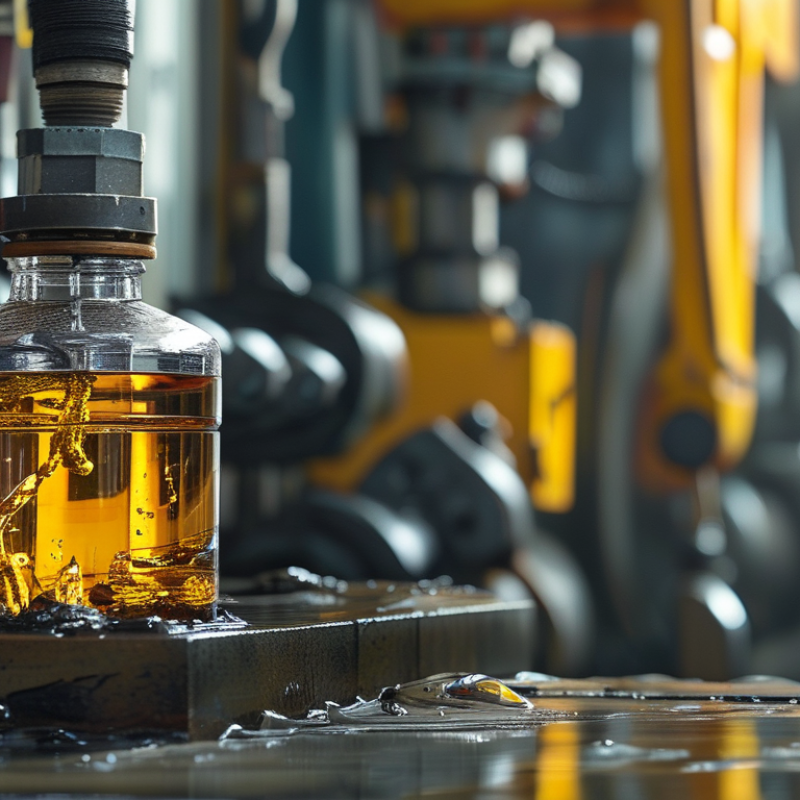
Anti-wear hydraulic oil plays a crucial role in the efficiency of machinery. This specialized oil is designed to minimize wear and tear on hydraulic components. It contains additives that enhance its protective qualities. The primary components include base oils and anti-wear agents. These agents form a protective film on metal surfaces, reducing friction and preventing damage.
The formulation of anti-wear hydraulic oil is vital. It must ensure stability at high temperatures and resist oxidation. The base oil can be mineral or synthetic, depending on the application. Synthetic oils usually offer superior protection and performance. However, they might require more sophisticated handling and storage.
Some users may overlook the importance of quality. Using a low-grade oil can lead to premature equipment failure. Proper selection and application of anti-wear hydraulic oil are essential for longevity. Yet, many operators still rely on cheap options, which can be shortsighted. Reflecting on this can improve operational efficiency and reduce costs in the long run.
Using anti-wear hydraulic oil in machinery presents several key benefits that cannot be overlooked. Enhanced wear protection is one of the primary advantages. According to a study by the Society of Tribologists and Lubrication Engineers, machinery using anti-wear oils can experience up to 40% less wear over time compared to conventional oils. This durability reduces maintenance needs and extends machine lifespan.
Another significant benefit is improved operational efficiency. Anti-wear hydraulic oils maintain their viscosity across a wide range of temperatures. This feature ensures consistent hydraulic performance, even in extreme conditions. Research from the American Society of Mechanical Engineers suggests that machinery operating with optimal viscosity can perform up to 15% more efficiently. Consequently, this efficiency translates into lower operating costs.
While the benefits are considerable, challenges still exist with anti-wear oils. Prices can fluctuate, and the market offers various formulations. It can be daunting to choose the right type for specific applications. Additionally, different machinery types may require different compatibility levels. Users must assess their machines carefully. Understanding these intricacies can prevent costly mistakes and promote better machinery performance.
When selecting hydraulic oil, one crucial factor is its wear protection capabilities. Anti-wear hydraulic oil stands out due to its ability to minimize friction and protect machinery components. In contrast, other types, like water-based oils, may lack this essential feature. They can lead to increased wear over time. This is especially critical for heavy machinery that operates under high pressure.
Tips: Regularly check your hydraulic oil's condition. Look for signs of contamination or degradation. Maintaining optimal oil quality can significantly extend equipment life.
Moreover, anti-wear oils contain specialized additives that help form a protective layer on metal surfaces. Other oils may not offer this level of protection, leading to potential failures. However, anti-wear hydraulic oils often come with a higher upfront cost. It’s essential to evaluate whether this investment aligns with your machinery’s operational demands.
Tips: Always follow maintenance schedules. Neglect can lead to costly repairs. Understanding the specific needs of your machinery can guide your oil choice effectively.
| Property | Anti-Wear Hydraulic Oil | Conventional Hydraulic Oil | Biodegradable Hydraulic Oil |
|---|---|---|---|
| Lubrication Performance | Excellent | Good | Fair |
| Resistance to Wear | High | Moderate | Low |
| Thermal Stability | Excellent | Good | Fair |
| Environmental Impact | Moderate | High | Low |
| Cost Effectiveness | Good | Excellent | Moderate |
When selecting anti-wear hydraulic oil, consider its viscosity rating. The right viscosity ensures optimal performance in various temperature ranges. Low viscosity may lead to inadequate lubrication, while high viscosity can increase resistance in hydraulic components. Test your machinery’s temperature profile to choose wisely.
Proper storage is key. Store hydraulic oil in a clean, dry environment to prevent contamination. Dirty oil can degrade performance and damage machinery. Always check for signs of water and particulates before use. Remember, using oil past its shelf life can compromise its protective qualities.
Regular oil sampling is vital. Conduct routine checks to assess oil condition and wear debris. This proactive approach can help you spot potential problems early. However, many operators overlook this step. Acknowledging this shortfall can improve machinery efficiency. Consider investing in training to enhance understanding of oil importance in machinery care.
Anti-wear hydraulic oil plays a crucial role in various industries, ensuring the longevity of machinery. In construction, this oil is vital for hydraulic excavators and pumps. The durable lubrication protects against metal-to-metal contact, reducing wear and tear during heavy operations. Such protection can improve efficiency and lower maintenance costs.
In manufacturing, anti-wear hydraulic oil is used in presses and conveyors. It helps maintain smooth operation under high pressure and constant movement. Without proper lubrication, machinery can suffer from overheating and premature breakdown. This highlights the importance of regular oil checks and changes.
Transportation systems also benefit from anti-wear hydraulic oil. In forklifts and material handling equipment, it ensures reliable operation. Yet, even with quality oils, operators must remain vigilant. Contaminants can still enter the system, impacting performance. This calls for best practices in maintenance and monitoring.
: It minimizes friction and protects machinery components, extending equipment life.
They may lack wear protection, leading to increased wear over time.
Regularly check for signs of contamination or degradation in your hydraulic oil.
They form a protective layer on metal surfaces, preventing potential failures.
Yes, they often come with a higher upfront cost. Evaluate if it's worth it.
Check the viscosity rating and match it to your machinery’s temperature profile.
Very important. Store it in clean, dry places to avoid contamination.
Always check for water and particulates. Do not use oil past its shelf life.
It helps assess oil condition and spot potential problems early, improving efficiency.
They may underestimate the importance of oil in machinery care. Recognizing this may improve operations.
Anti-Wear Hydraulic Oil is an essential lubricant designed to protect machinery from wear and tear, ensuring optimal performance and longevity. Composed of high-quality base oils and additives, this type of hydraulic oil provides superior protection against oxidation, rust, and foam. The key benefits of using Anti-Wear Hydraulic Oil include enhanced system efficiency, reduced maintenance costs, and prolonged equipment life.
When comparing Anti-Wear Hydraulic Oil to other types of hydraulic oils, its superior anti-wear properties make it a preferred choice in various industrial applications. Selecting the right Anti-Wear Hydraulic Oil involves understanding the specific needs of your machinery, including operating conditions and compatibility. Common applications span a wide range of industries, from manufacturing to construction, highlighting its versatility and importance for maintaining machinery reliability.

Longhai